
Tools
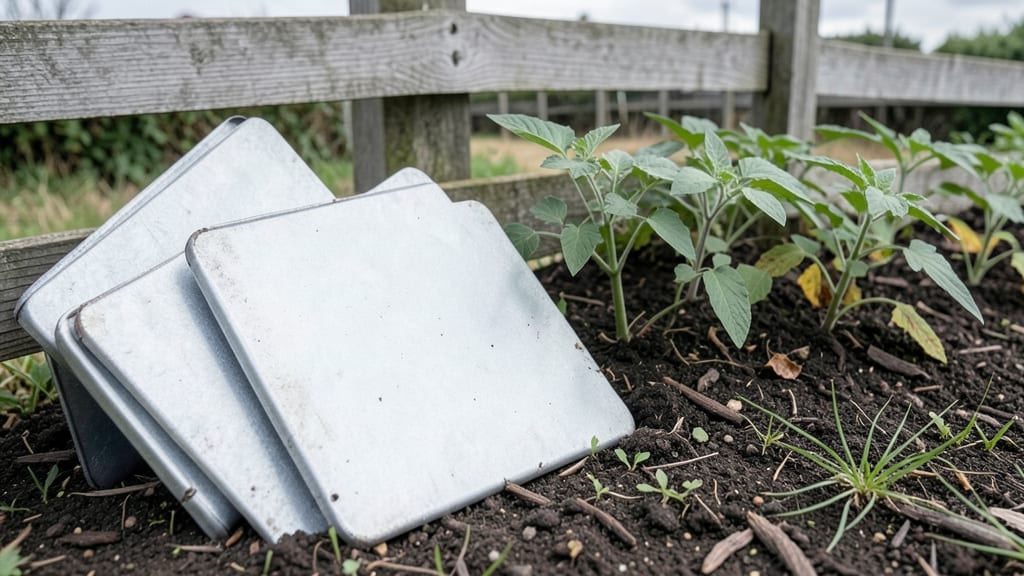
Aluminum garden signs resist rust, fading, and warping better than wood or plastic, making them ideal for long-term outdoor use while allowing easy customization with paint or engraving. Their lightweight yet sturdy design also makes them easy to install and reposition.
Aluminum's natural resistance to moisture and UV rays means your signs stay sharp-looking for years, even in harsh climates. 🔥 Unlike wood, which rots or splinters, or plastic that yellows under sunlight, aluminum maintains its crisp appearance while enduring temperature swings from scorching summers to freezing winters.
This durability makes them perfect for garden borders, vegetable patch markers, or even rustic home decor that needs to withstand the elements.
What really sets aluminum apart is how easy it is to personalize. You can paint them with outdoor-grade acrylic paints for a vibrant look, or use vinyl decals for quick, professional results. For a more permanent touch, engraving tools create lasting designs that won't peel or fade.
I've seen gardeners transform plain aluminum signs into everything from whimsical vegetable labels to elegant welcome markers—all while knowing the base material will hold up through seasons of rain and sun.
💡 In This Article
- Why Aluminum Outperforms Wood and Plastic in Gardens
- DIY Customization Techniques for Personalized Aluminum Signs
Why aluminum outperforms wood and plastic in gardens
Aluminum's superiority in outdoor settings comes from its molecular structure and protective oxide layer. When exposed to air, aluminum instantly forms a thin, invisible layer of aluminum oxide that acts as a natural shield against moisture and corrosion.
This layer is 10 times stronger than the metal itself, preventing rust that would otherwise weaken wood or corrode metal fasteners in wooden signs.
Unlike wood, which absorbs water and swells, or plastic that degrades under UV light, aluminum remains dimensionally stable even when temperatures fluctuate between -50°F and 120°F.
The science behind aluminum's durability lies in its low reactivity compared to iron or steel. While iron oxidizes rapidly (forming rust), aluminum's oxide layer is self-healing—if scratched, it reforms within hours. This makes aluminum signs perfect for humid climates or coastal areas where salt air accelerates corrosion.
For comparison, untreated wood signs last 2-3 years before rotting, while plastic signs yellow and crack within 1-2 years of sun exposure. Aluminum signs, when properly coated, can last 10+ years with minimal maintenance.
Weight plays a crucial role in installation and longevity. Aluminum signs weigh 30-50% less than equivalent wooden signs but maintain rigidity due to the metal's high strength-to-weight ratio. This makes them easier to hang on fences or stakes without bending.
The lightweight nature also reduces wind load, preventing the warping that plagues wooden signs during storms. Plastic signs, while lightweight, often become brittle over time, cracking under impact—a problem aluminum's malleability prevents.
Temperature extremes test materials differently. Wood expands and contracts with humidity, leading to splits; plastic softens above 140°F and becomes brittle below 32°F. Aluminum handles both extremes with ease, maintaining structural integrity even when exposed to freeze-thaw cycles that would shatter ceramic signs.
Its high thermal conductivity also means it won't develop hot spots that could warp plastic or scorch painted surfaces.
For gardeners in saltwater climates, aluminum's resistance to chloride corrosion is a game-changer. Wood treated with copper-based preservatives can still degrade within 5 years, while aluminum remains unaffected. The metal's ability to reflect 90% of UV radiation also prevents the color fading that plagues plastic signs.
This reflective property even helps reduce heat absorption, keeping signs cooler to the touch during summer months.
Consider these key performance metrics when choosing materials:
- Moisture Resistance: Aluminum (excellent) vs. Wood (poor) vs. Plastic (moderate)
- UV Resistance: Aluminum (90% reflection) vs. Wood (none) vs. Plastic (degrades)
- Temperature Range: Aluminum (-50°F to 120°F) vs. Wood (freeze-thaw damage) vs. Plastic (brittle/crack)
- Lifespan: Aluminum (10+ years) vs. Wood (2-3 years) vs. Plastic (1-2 years)
The bottom line? Aluminum's combination of corrosion resistance, dimensional stability, and weatherproofing makes it the ultimate garden sign material for those who want signs that look great and last decades. 💫