
Tools
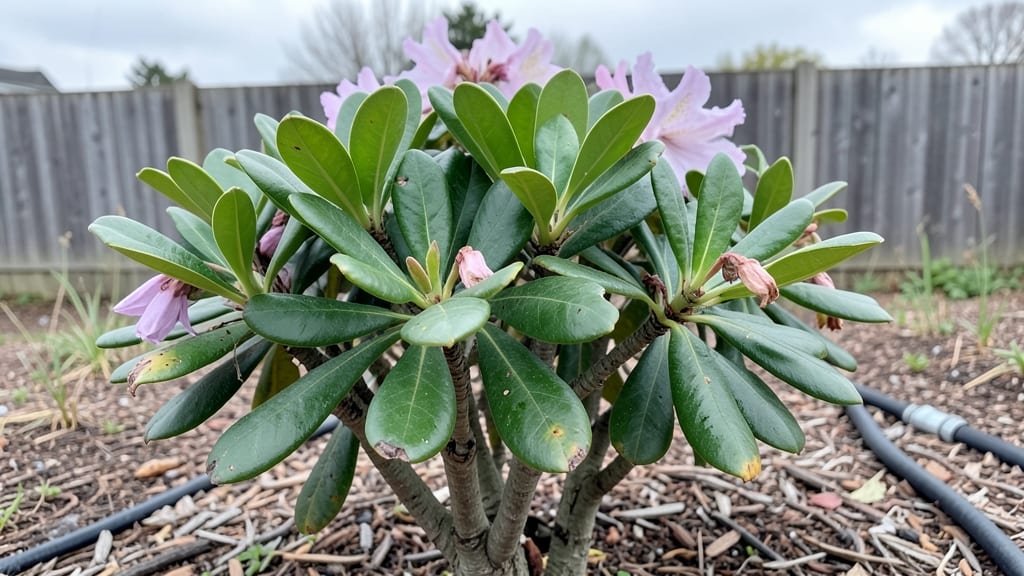
Creating a garden in Vancouver, WA should focus on cold-resistant perennials like rhododendrons and heucheras, alongside spring bulbs such as daffodils and tulips, plus summer crops like zucchini and kale. The region's mild, wet winters and dry summers make these choices ideal, along with well-draining soil, morning sun exposure, and wind protection for optimal growth in USDA Zone 8a-9a.
Vancouver's climate offers a surprising advantage for gardeners—the extended growing season and moderate temperatures create opportunities for both cool-season and warm-season plants. 🌿 The city's proximity to the Columbia River also means microclimates vary dramatically, with urban areas often experiencing heat islands while rural zones stay cooler.
This diversity lets you experiment with everything from cold-hardy blueberries to drought-tolerant lavender, all while adapting watering schedules to the region's unpredictable spring rains and summer droughts.
What truly sets Vancouver gardens apart is their ability to blend productivity with beauty. Many of the region's top performers—like sword ferns and salmonberry—require almost no maintenance once established, making them perfect for busy gardeners.
The key is working with nature rather than against it: choose plants that thrive in the city's specific conditions, whether that means shade-tolerant hostas for north-facing yards or pollinator-friendly astilbes for sunny borders.
💡 In This Article
- Vancouver WA’s Unique Gardening Climate Zones
- Top Low-Maintenance Plants for Vancouver Gardens
Vancouver WA’s unique gardening climate zones
Vancouver's gardening climate is shaped by its position in USDA Zones 8a-9a, where winter lows rarely dip below 10°F and summers peak around 90°F. The city sits in a fascinating transition zone between the Pacific Northwest's maritime influence and the rain shadow created by the Cascade Mountains.
This creates microclimates where urban areas like downtown Vancouver can be 5-10°F warmer than rural areas just 10 miles away, thanks to the "heat island" effect from pavement and buildings.
The Columbia River plays a crucial role too. Its presence moderates temperatures near the waterfront, creating a cooler, more humid microclimate perfect for moisture-loving plants like rhododendrons and sword ferns. Meanwhile, areas just a few blocks inland may experience drier, hotter conditions during summer afternoons.
These variations explain why some gardeners can grow tropical plants like banana trees in protected microclimates while others struggle with heat-sensitive crops like lettuce in exposed locations.
Frost pockets are another key consideration. Low-lying areas and valleys—like those near the Columbia River Gorge—can experience sudden 2-3°F colder temperatures than surrounding areas due to cold air settling. This phenomenon affects planting times, often delaying spring plantings by 2-3 weeks compared to higher elevations.
The region's extended growing season (typically 220-240 days) means cool-season crops like broccoli and peas can be planted in early spring and again in late summer for fall harvests.
Watering schedules must adapt to these microclimates. Urban areas with heat islands may need daily watering during summer droughts (June-August), while rural zones might only require weekly deep watering. The city's 36 inches of annual rainfall is well-distributed, but spring showers can lead to waterlogged soils if drainage isn't addressed.
Mulching with 3-4 inches of wood chips helps retain moisture while preventing soil compaction from heavy rains.
For gardeners, understanding these zones means strategic plant placement. Heat-loving vegetables like tomatoes thrive in urban heat islands, while shade-tolerant perennials like heucheras excel in cooler microclimates. The city's diverse topography allows for both Mediterranean-style gardens (drought-tolerant lavender, rosemary) and traditional Pacific Northwest plantings (ferns, rhododendrons) to coexist successfully.
What most gardeners don't realize is how these microclimates affect pollinators. Urban heat islands can create earlier blooming seasons for some plants, while cooler zones maintain later blooms—extending the foraging season for bees and butterflies.
This diversity makes Vancouver an ideal location for creating pollinator-friendly gardens that support local ecosystems year-round. 🌿