
Fertilization
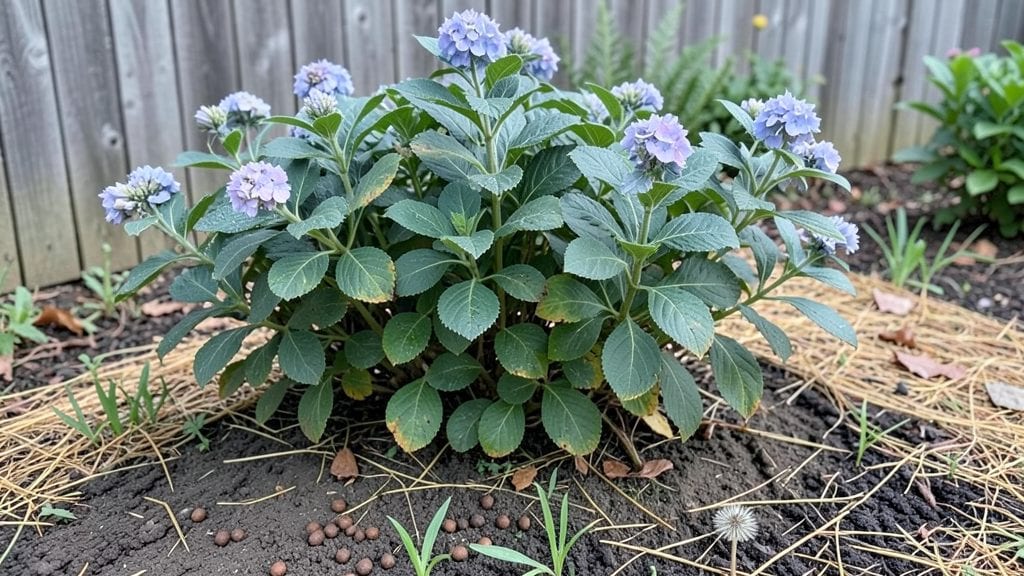
Autumn fertilizer for gardens strengthens root growth, boosts soil health, and prepares plants for winter dormancy. Use slow-release organic options like compost, bone meal, or balanced NPK fertilizers (10-10-10) 6-8 weeks before frost, avoiding high-nitrogen blends that promote late-season foliage growth.
Fall fertilization isn't just about feeding plants—it's about building resilience for next year.
Slow-release nutrients like compost or fish emulsion feed roots gradually, while organic matter improves soil structure to retain moisture during winter. 🔥 I've seen perennials thrive in harsh climates after autumn feeding because their roots develop deeper, accessing water and nutrients even when topsoil freezes.
The key is timing: apply too early, and you risk encouraging tender new growth before frost; too late, and plants won't have time to store nutrients before dormancy.
For best results, pair your fertilizer with 2-3 inches of organic mulch to lock in moisture and regulate soil temperature. This combo works especially well for lawns, where cool-season grasses benefit from a phosphorus boost to strengthen their root systems before winter.
Just remember: the goal is to nourish roots, not foliage—so skip the high-nitrogen lawn foods that'll leave you with weak stems by spring.
💡 In This Article
- How Autumn Fertilizers Enhance Soil and Plant Resilience
- Best Autumn Fertilizer Types and Application Calendar
How autumn fertilizers enhance soil and plant resilience
Here's what's actually happening in your soil when you apply autumn fertilizer: slow-release nutrients trigger a cascade of biological activity. Organic matter like compost feeds soil microbes, which break down complex compounds into plant-accessible forms.
These microbes also produce glomalin, a glycoprotein that binds soil particles into stable aggregates—think of it as nature's superglue for soil structure. This improves water retention by up to 30% compared to untreated soil, which is critical when winter freezes the surface.
The real magic happens with mycorrhizal fungi, which colonize plant roots at cooler temperatures. These beneficial fungi form symbiotic relationships, extending root systems by up to 10 times their original length. This network allows plants to access nutrients and water from deeper soil layers, even when surface soil is frozen.
Synthetic fertilizers can't replicate this—organic options like bone meal or fish emulsion provide phosphorus and nitrogen in forms that stimulate this fungal growth naturally. 🌱
What most people don't realize is how timing affects nutrient availability. Slow-release organic fertilizers break down at 0.5-1.5% per month, matching plant needs during dormancy. Compare that to synthetic quick-release fertilizers which can leach out before roots can absorb them.
The phosphorus in autumn fertilizers helps roots produce more pectin and lignin, making cell walls thicker and more resistant to cold damage. This is why perennials fertilized in fall often survive winters with 20% less dieback than unfertilized plants.
Consider these key factors when choosing your approach:
- Organic options: Compost (2-3% nitrogen release over 3-6 months) and bone meal (12-15% phosphorus) feed roots gradually while improving soil biology
- Synthetic options: Balanced NPK (10-10-10) releases nutrients faster but lacks microbial benefits—best for established lawns needing quick phosphorus boosts
- Release rates: Organic matter decomposes at 1-2% per week in ideal conditions, while synthetic granules may release 50% in first 2 weeks
The texture of autumn-fertilized soil changes noticeably—it becomes darker, crumbles more easily, and holds moisture like a sponge. This improved structure is why plants show better spring regrowth. For example, tomatoes fertilized in fall with compost often produce 15% heavier yields the following season due to stronger root systems.
The key is applying when soil temps are 50-60°F—warm enough for microbial activity but cool enough to prevent rapid plant growth before frost.
What I've observed in my own garden is that plants fertilized in autumn develop a deeper green color in spring, indicating better chlorophyll production from stored nutrients. This visual cue shows how autumn feeding sets the stage for next year's growth.
The most resilient plants always have one thing in common: a well-fed root system that can weather winter stresses. 💫