
Tools
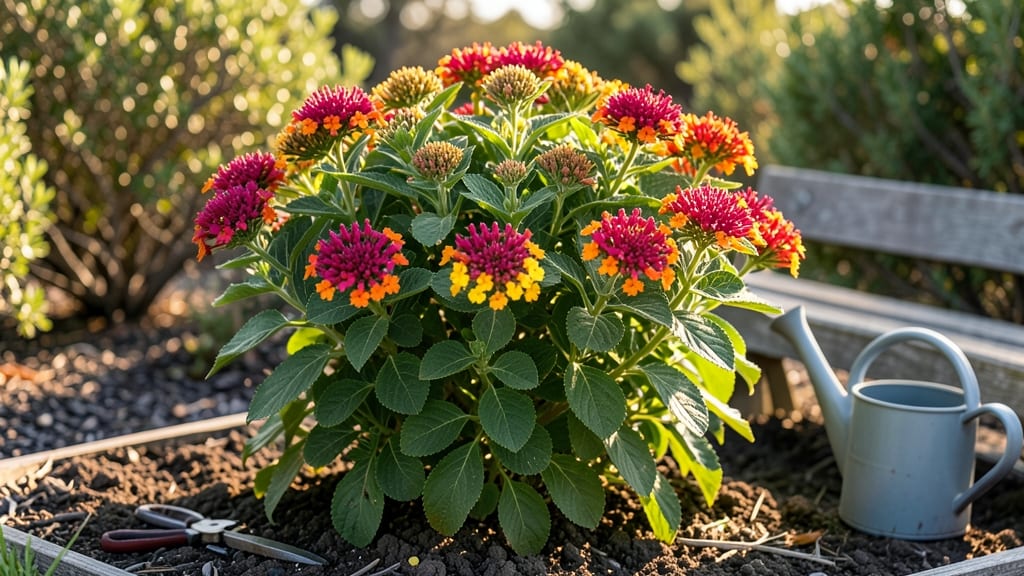
Creating a backyard summer garden that stays lush without wilting in the heat is totally doable—especially when you focus on shade-loving plants that actually love the humidity and partial sun.
I learned this the hard way after my first summer garden turned into a crispy mess, but now my backyard stays vibrant from June through September with almost no extra effort.
The key is mixing plants that handle shade but still pack a punch with color and texture. Think hostas for lush foliage, coleus for bold patterns, and impatiens for nonstop blooms—all of which thrive in dappled light and keep the space feeling alive.
You’ll also want to add a few ferns or heucheras for that layered, woodland vibe that cools the space visually and literally.
By mid-July, your garden will be a cool retreat with fragrant blooms, velvety leaves, and pops of color that make the whole yard feel like a secret escape. The best part? These plants ask for minimal fuss—just consistent moisture and occasional deadheading to keep them producing.
Plus, they pair perfectly with outdoor seating or a hammock spot where you can relax without squinting in the sun.
Whether you’ve got a shady corner under a tree or a north-facing patio, this setup works for any space. The plants I’ll share grow well together, so you won’t need to fuss over combinations—just plant, water, and enjoy the results. Let’s get your summer garden looking effortlessly cool and thriving.
📚 In This Guide
- What you need
- Instructions
- Tips and common mistakes
- Wrapping up and next steps
What you need
- ● Shade-tolerant plants: Choose from hostas, ferns, impatiens, astilbes, or caladiums (3–5 plants per square foot, depending on size).
- ● High-quality potting soil: 1–2 bags (1–2 cubic feet each) of well-draining, organic soil mix (e.g., Miracle-Gro or FoxFarm).
- ● Containers or garden beds: Containers: 5–10 pots (10–14" diameter) with drainage holes.
- ● Garden beds: A shovel, rake, and 2–3 cubic feet of compost to amend soil.
- ● Mulch: 1–2 bags of organic mulch (e.g., shredded bark or pine straw) to retain moisture.
- ● Watering can or hose: With a gentle spray nozzle for even hydration.
- ● Fertilizer: Slow-release granular fertilizer (e.g., 10-10-10 NPK ratio) or liquid feed for containers.
- ● Basic tools: Trowel, pruners, and gloves (for handling soil and plants).
- ● Sun/shade analysis: Observe your yard for 3–4 hours to map light exposure (full shade = <2 hours of direct sun).
- ○ Optional upgrades: Self-watering planters for low-maintenance hydration.
- ● Decorative stones or pebbles for a polished look.
- ● Drip irrigation system for automated watering.
Instructions for designing a thriving shade garden
Here’s how to create a lush, low-maintenance shade garden that stays vibrant all summer long.
Select the Right Shade-Loving Plants
Start by choosing plants that naturally thrive in low light. For partial shade (3–6 hours of sunlight), consider hostas, ferns, and astilbes. In full shade (less than 3 hours of sunlight), opt for hellebores, lungwort, and Japanese painted ferns. I like to group plants with similar shade needs together—this ensures they all get the right balance of light and moisture.
Check the mature size of each plant to avoid overcrowding. For example, hostas can spread 2–3 feet wide, while ferns stay more compact. Sketch a rough layout before planting to visualize spacing. This prevents overcrowding and makes future maintenance easier.
Prepare the Soil for Moisture Retention
Shade gardens often have moist, rich soil, so amend the existing soil with 3–4 inches of compost to improve drainage and fertility. Work the compost into the top 6–8 inches of soil, breaking up any compacted areas. If your soil drains poorly, mix in perlite or coarse sand to lighten it slightly.
Test the soil’s moisture level before planting—stick your finger 2 inches deep. If it feels dry, water thoroughly the day before planting. Shade-loving plants prefer consistently moist (but not soggy) soil, so proper prep now saves you from underwatering later.
Plant in Layers for Visual Interest
Begin with taller plants (like astilbes or ferns) at the back, then add medium-height plants (such as hostas or lungwort) in the middle. Fill the front with low-growing ground covers (like sweet woodruff or creeping Jenny) to create depth. Space plants 12–18 inches apart, depending on their mature size.
Dig holes twice as wide as the root ball but only as deep. Gently remove the plant from its container, loosen the roots if they’re circling, and place it in the hole. Fill in with soil, pressing lightly to eliminate air pockets. Water deeply right after planting to help roots settle.
Mulch to Retain Moisture and Suppress Weeds
Spread a 3-inch layer of mulch (like shredded bark or leaf mold) over the soil surface, keeping it 2–3 inches away from plant stems to prevent rot. Mulch helps retain moisture, regulates soil temperature, and blocks weeds—critical in shade gardens where grass struggles to grow.
Water the mulch lightly after applying to settle it in place. Avoid piling mulch too thickly, as it can smother plant roots. Check the soil moisture weekly—if the top 1 inch feels dry, water deeply until it’s evenly moist throughout.
Maintain with Minimal Effort
Shade gardens need less frequent watering than sunny ones, but they still require consistent moisture. Water in the early morning to reduce evaporation, and aim for 1–1.5 inches of water per week, adjusting for rainfall. Avoid overhead watering, which can promote fungal issues in dense foliage.
Fertilize lightly in early spring with a balanced, slow-release fertilizer (like 10-10-10) to support new growth. Deadhead spent blooms (like on astilbes) to encourage more flowers, but otherwise, let foliage stay for winter interest. Divide crowded perennials every 3–4 years to keep them healthy.
Tips & tricks for perfect shade garden design
Creating a thriving shade garden takes thoughtful planning—here are the key strategies to ensure your plants flourish all season long.
Light Mapping is Essential: Before selecting plants, map your garden’s shade patterns throughout the day. Use a simple method: place a stake in the ground and mark where shadows fall every hour for 3-6 hours. This helps you determine if an area qualifies as partial shade (3-6 hours of sun) or full shade (less than 3 hours). I’ve found that even small variations in shade exposure can determine whether a hosta thrives or struggles—this simple mapping saves you from trial and error later.
Soil Prep Makes All the Difference: The instructions mention amending with 3-4 inches of compost, but here’s what nobody tells you—test your soil’s drainage first. Dig a small hole, fill it with water, and time how long it takes to drain. If it takes longer than 2 hours, your soil is too dense and needs the perlite or sand amendment mentioned. I’ve seen shade gardens fail spectacularly because the soil was too compacted, despite having the right plants. A little prep work now prevents headaches later.
Layering Creates Visual Impact: When planting in layers as described in Step 3, consider the mature height of each plant—not just their current size. For example, that small fern you’re planting at the front might reach 2 feet tall in 3 years. I recommend sketching a simple layout with measurements, marking each plant’s mature height. This prevents you from planting taller plants in front of shorter ones, which can create a messy, overgrown look over time.
Mulching Goes Beyond Weed Control: While the 3-inch mulch layer helps retain moisture, here’s the secret: use mulch with different textures. I like to layer shredded bark on top for aesthetics, then add a 1-inch layer of leaf mold underneath. The leaf mold breaks down slowly, continuously improving soil fertility while the bark keeps weeds at bay. This two-layer approach gives you the best of both worlds—beautiful presentation and long-term soil health.
Pro Tips for Backyard Summer Garden
- Creating a thriving shade garden takes thoughtful planning—here are the key strategies to ensure your plants flourish all season long.
- Light Mapping is Essential: Before selecting plants, map your garden’s shade patterns throughout the day.
- Soil Prep Makes All the Difference: The instructions mention amending with 3-4 inches of compost, but here’s what nobody tells you—test your soil’s drainage first.
Frequently asked questions
Got questions about creating your dream backyard summer garden with shade-loving plants? You’re not alone! Here are answers to the most common queries to help you grow with confidence.
What are the best shade-tolerant plants for a low-maintenance summer garden?
Opt for hardy perennials like hostas, heucheras, and astilbes—they thrive in partial shade and require minimal upkeep. For quick color, try impatiens or coleus. Ferns and caladiums also add texture and vibrancy without fuss!
When is the ideal time to plant shade-loving plants in summer?
Plant in early morning or late afternoon to avoid midday heat stress. Spring or early summer (before extreme heat) is ideal, but many shade plants tolerate transplantation even in July if kept well-watered. Pro tip: Mulch heavily to retain moisture!
How often should I water shade plants in summer?
Water deeply 2–3 times per week, aiming for 1–2 inches of water. Shade plants still need hydration, but they lose less moisture than sun-lovers. Drip irrigation or soaker hoses work best to avoid leaf burn.
What pests commonly target shade gardens, and how do I prevent them?
Watch for slugs, aphids, and spider mites. Use organic barriers (copper tape for slugs) or neem oil sprays. Healthy soil and companion planting (like marigolds) deter pests naturally.
Can I grow vegetables in a shade garden?
Yes! Try leafy greens (lettuce, spinach), radishes, or bush beans in partial shade. Avoid heavy sun-lovers like tomatoes or peppers. Container gardening lets you move plants for optimal light!
What if my shade garden isn’t thriving? Troubleshooting tips?
Check for poor drainage (amend soil with compost), overcrowding (thin plants), or nutrient deficiency (use balanced fertilizer). Yellow leaves? It might be too much shade—try pruning nearby trees or relocating plants.
Wrapping up and next steps
Your backyard summer garden doesn’t have to be a struggle—even in shady spots! 🌿 With the right shade-loving plants, you can enjoy lush greenery, vibrant blooms, and fresh harvests all season long.
Whether you’re a seasoned gardener or just starting out, these low-maintenance picks make it easy to create a thriving, serene oasis.
Ready to dive in? Start small—pick 2-3 plants from this list, gather your tools, and get growing! Before you know it, your shady corner will be bursting with life. Happy planting! 🌱