
Tools
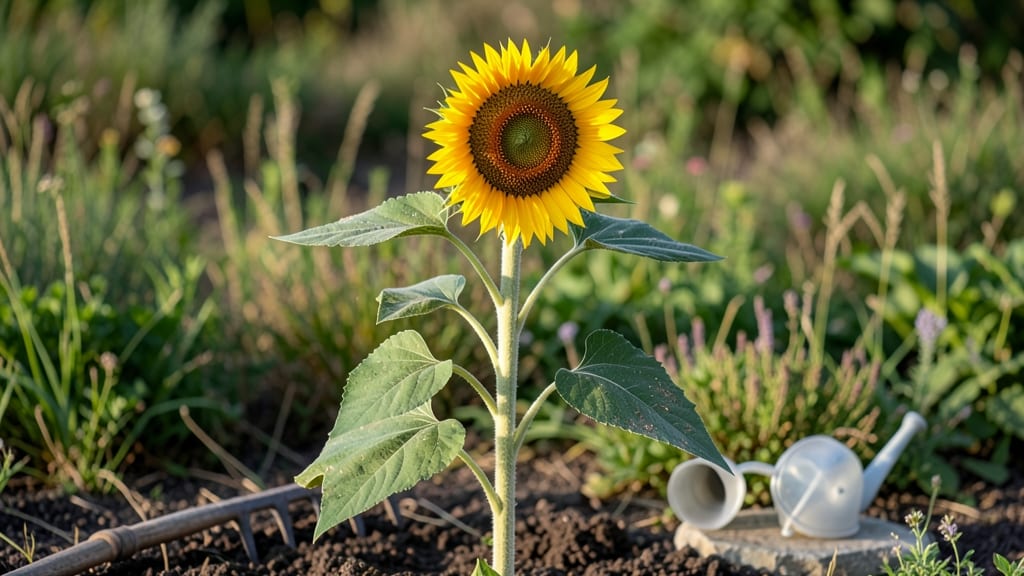
A backyard sunflower garden transforms empty space into a pollinator paradise with towering stems and golden blooms that catch every afternoon sun. 🌻 I planted mine last spring after realizing how much my local bees struggled to find food—now they swarm my garden by mid-July, and the neighbors stop to take photos.
Start with a mix of dwarf varieties (2-3 feet) for borders and giant types (10+ feet) as focal points. Space them 1-2 feet apart in loose, well-draining soil—sunflowers hate soggy roots.
Add companion plants like cosmos or marigolds to fill gaps and keep pests away, while their bright colors make the whole scene pop.
By late summer, you'll have a living sculpture of sunflowers nodding in the breeze, their seeds feeding birds through winter. The golden blooms reflect light at sunset, turning your yard into a glowing centerpiece. Plus, cutting a few stems for bouquets keeps the garden looking fresh all season.
Works in any sunny spot, from small city yards to sprawling rural plots. The key? Let them grow wild enough to sway dramatically—it’s the movement that makes them magical. Ready to plant your own sunflower spectacle?
📚 In This Guide
- What you need
- Instructions
- Tips and common mistakes
- Wrapping up and next steps
What you need
- ● Sunflower seeds: 10–20 seeds (choose varieties like Mammoth or Autumn Beauty for height and color).
- ● Well-draining soil: 5–10 bags of potting mix or garden soil (amend with compost for nutrients).
- ● Garden space: A sunny spot (6+ hours of sunlight daily) with at least 2–3 feet of spacing between plants.
- ● Watering can or hose: For consistent moisture (1–2 gallons per plant, 2–3 times per week).
- ○ Fertilizer (optional but recommended): A balanced 10-10-10 or organic compost tea to boost growth.
- ● Garden trowel or shovel (for planting seeds 1–2 inches deep).
- ● Gloves (to protect your hands while digging).
- ● Mulch (straw or wood chips) (to retain moisture and suppress weeds).
- ○ Stakes or trellis (optional) (for tall varieties like Russian Giant).
- ○ Birdseed or suet feeder (optional) (to attract pollinators like bees and butterflies!).
Step-by-Step instructions for planting a backyard sunflower garden
Sunflowers bring instant joy and support local ecosystems—here's how to grow a thriving patch.
🌱 Step 1: Choose and Prepare Your Planting Site
Sunflowers need full sun—at least 6-8 hours daily—so pick the sunniest spot in your yard. Clear the area of weeds and debris, then loosen the top 6 inches of soil with a garden fork. Sunflowers have deep roots, so well-draining soil is critical. If your soil is heavy clay, mix in 2-3 inches of compost to improve drainage and fertility.
I like to test the soil pH with a simple kit—sunflowers prefer a slightly acidic to neutral range of 6.0-7.0. If your soil is too alkaline, add a thin layer of peat moss to the planting hole. Mark your planting area with stakes or string to keep rows straight, spacing them 18-24 inches apart for standard varieties.
🌱 Step 2: Plant Seeds at the Right Depth and Spacing
Sunflower seeds are large and easy to handle. Plant them 1 inch deep and 6-12 inches apart in rows, depending on the variety. Larger sunflowers need more space, while dwarf varieties can be planted closer together. Press the soil gently around each seed to ensure good seed-to-soil contact—this helps roots establish quickly.
Real talk: Don't cover the seeds with too much soil. If you bury them deeper than 1 inch, germination slows because the seedling struggles to reach the surface. Water the area lightly after planting to settle the soil but avoid soaking it—sunflowers hate soggy conditions at this stage.
☀️ Step 3: Water and Maintain Through Germination
Keep the soil consistently moist but not waterlogged until the seeds germinate, which typically takes 7-14 days depending on temperature. You'll know it's time to water again when the top inch of soil feels dry. Once the seedlings emerge, reduce watering slightly—they're surprisingly drought-tolerant once established.
Thin seedlings to 12-18 inches apart when they reach 3-4 inches tall. This prevents overcrowding and ensures each plant gets enough nutrients. I use scissors to snip unwanted seedlings at soil level—it's cleaner than pulling and less disturbing to the roots of the plants you're keeping.
💧 Step 4: Fertilize and Support for Maximum Growth
Sunflowers are heavy feeders, so apply a balanced fertilizer (10-10-10) when seedlings are 4-6 inches tall. Follow package instructions for amounts, but I usually cut the dose in half—sunflowers can get leggy if over-fertilized. Side-dress with 2-3 inches of compost around the base of each plant in early summer to provide a slow-release nutrient boost.
Tall varieties will need staking or support as they grow. I use 6-foot bamboo stakes tied to the main stem with soft plant ties. This prevents the stems from snapping in wind or rain. You'll see the first buds form in 6-8 weeks, so keep an eye out for signs of pests like aphids or sunflower moths—spray with neem oil if needed.
✂️ Step 5: Harvest and Enjoy Your Sunflower Garden
Cut sunflowers when the back of the bloom turns yellow and the petals begin to droop—this is peak maturity. Use sharp pruners to make a clean cut, leaving 2-3 inches of stem. Remove the outer petals and place the head upside down in a cool, dry place to dry completely before storing.
Don't forget to leave some heads on the stems for pollinators! Birds and bees love sunflowers, and the seeds provide food for wildlife in fall and winter. After the first frost, cut the remaining stems to the ground and compost them. The next year, you'll have even more sunflowers popping up from self-seeded plants.
Tips & tricks for growing a thriving backyard sunflower garden
A few simple tricks will help your sunflowers reach their full potential while keeping your garden healthy and vibrant.
The Sun Factor: I can't emphasize enough how critical that 6-8 hours of full sun is for sunflowers. If your yard has partial shade, consider planting sunflowers in containers where you can move them to follow the sun throughout the day. Even an hour less sunlight can lead to leggy, weak stems that struggle to support those beautiful blooms.
Soil Prep Secret: In Step 1, when you're loosening the top 6 inches of soil, take a moment to mix in a handful of compost even if your soil isn't heavy clay. This gives your sunflowers a nutrient boost right from planting. I like to sprinkle a thin layer of compost over the entire planting area before adding seeds—it's like giving them a head start on their meal plan.
Thinning Technique: When you're thinning seedlings in Step 3, here's a pro tip: Wait until they're 3-4 inches tall but still have soft stems. Use clean scissors to cut unwanted seedlings at soil level rather than pulling them. This prevents disturbing the roots of your keepers and makes the process much cleaner. I also like to harvest these small seedlings and add them to my compost pile—nothing goes to waste!
Support System: For tall varieties, don't wait until the last minute to stake them in Step 4. I start with 6-foot bamboo stakes when the plants reach about 2 feet tall. This gives them support before the wind or rain can cause damage. Use soft plant ties to secure the stems without cutting into them, and check the ties every few weeks as the plants grow.
Pro Tips for Backyard Sunflower Garden
- A few simple tricks will help your sunflowers reach their full potential while keeping your garden healthy and vibrant.
- The Sun Factor: I can't emphasize enough how critical that 6-8 hours of full sun is for sunflowers.
- Soil Prep Secret: In Step 1, when you're loosening the top 6 inches of soil, take a moment to mix in a handful of compost even if your soil isn't heavy clay.
Frequently asked questions
Got questions about growing your own backyard sunflower garden? You’re not alone! Here are some of the most common queries—and their answers—to help you get started with confidence.
When is the best time to plant sunflowers?
Sunflowers thrive in warm soil, so plant seeds after the last frost date in spring (typically late April to early June in most U.S. zones). For a second harvest, you can also sow seeds in late summer for fall-blooming varieties. Just ensure they get 6–8 hours of sunlight daily!
Do sunflowers attract bees and other pollinators?
Sunflowers are pollinator magnets, especially bees, butterflies, and birds. Their bright blooms and nectar-rich flowers make them a must-have for eco-friendly gardens. Just avoid pesticides to keep these helpful visitors buzzing around!
How much water do sunflowers need?
Sunflowers are drought-tolerant once established, but young plants need 1–1.5 inches of water per week. Water deeply at the base (not the leaves) to prevent fungal diseases. Pro tip: Let the soil dry slightly between waterings to encourage strong root growth.
Can I grow sunflowers in containers or small spaces?
Yes! Dwarf varieties (like ‘Teddy Bear’ or ‘Moulin Rouge’) thrive in 5-gallon pots with good drainage. Just ensure the container is at least 12–18 inches deep to support their roots. Place them in full sun and rotate pots occasionally for even growth.
What should I do if my sunflowers get pests like aphids or birds?
Start with prevention: Use row covers for young plants and deter birds with reflective tape or netting. For aphids, spray with soapy water (1 tsp mild soap per quart of water). Avoid chemical pesticides—they’ll scare away pollinators!
How tall can sunflowers grow, and do I need to stake them?
Most sunflowers reach 6–12 feet tall, but varieties like ‘Russian Giant’ can tower over 15 feet! Staking isn’t always necessary, but for tall varieties, use soft ties or bamboo stakes to prevent toppling in windy areas.
Wrapping up and next steps
Creating a backyard sunflower garden isn’t just about adding stunning height and color to your space—it’s a simple way to support pollinators, boost biodiversity, and enjoy nature’s beauty up close! 🌻 With the right soil, sunlight, and a little care, you’ll soon have a thriving haven for bees, butterflies, and birds.
Whether you’re a seasoned gardener or just starting out, this project is rewarding and accessible.
Ready to take the next step? Start small—plant a few seeds or seedlings this weekend, and watch your garden grow into a vibrant pollinator paradise. Happy planting! 🌱