Vegetables
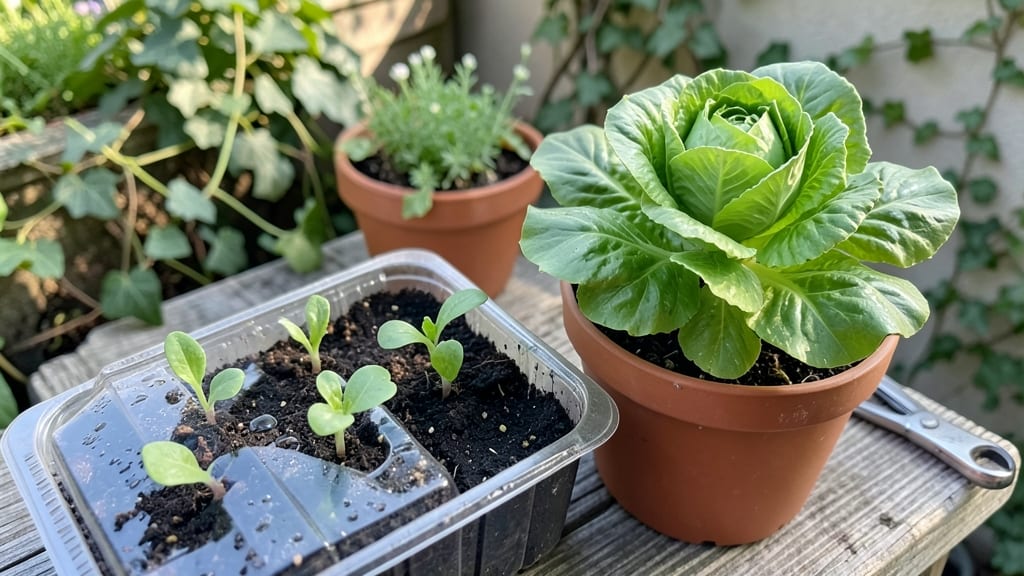
Balcony vegetable gardening for beginners starts with the right plants in the right pots—no fancy equipment or years of experience required. 🌱 I’ve grown fresh tomatoes, crisp lettuce, and fragrant basil on my tiny balcony, and the secret is simpler than you’d think: focus on what thrives in containers and gets enough light.
The first step is picking plants that forgive mistakes—herbs like basil and parsley, leafy greens like spinach, and compact varieties like cherry tomatoes or bush beans.
You’ll need containers with drainage holes (old buckets or store-bought pots work), a lightweight potting mix designed for vegetables, and a sunny spot that gets at least 6 hours of sunlight daily.
Most balcony gardens can fit into 3–5 gallon pots, and watering is easier than you’d expect—just keep the soil moist but not soggy. The biggest mistake beginners make is overwatering, so I’ll show you how to check soil moisture without guessing.
By the time your first plants are ready to harvest—usually in 4–8 weeks—you’ll have a thriving mini-garden that produces more than you’d get from store-bought veggies. Picture snipping fresh herbs for meals or plucking crisp lettuce straight from your balcony.
The best part? You’ll learn just enough to keep doing it, season after season, without the overwhelm.
This works for any balcony, from a sun-drenched corner to a shady nook (with the right plant choices). Whether you’re growing for flavor, savings, or just the joy of watching things grow, you’ll have everything you need to start confidently. Let’s get those containers planted!
Common Culprits Behind Garden Failures
Even the most enthusiastic balcony gardener can face challenges—like wilting plants, stunted growth, or pests—when starting out. But why do these issues pop up? Understanding the root causes helps you fix problems before they spiral out of control. Let’s break down the science (and solutions) behind the most common headaches.
Balconies are exposed to extreme swings—scorching sun by day and chilly drafts by night. Many vegetables thrive in specific temperature ranges, and straying too far outside those limits stresses plants.
- Too Hot: Temperatures above 85°F (29°C) can cause heat stress, leading to: - Wilting leaves (even with enough water, cells close stomata to conserve moisture). - Sunburn (brown or yellow patches on leaves, like a tomato’s "sunscald"). - Blossom drop (peppers and tomatoes abort flowers when it’s too hot). - Too Cold: Below 50°F (10°C), growth slows or stops.
Frost-sensitive plants (like basil or cucumbers) may: - Develop blackened, mushy leaves (cell damage from ice crystals). - Stop flowering or fruiting entirely.
💡 Fix It:
- Use shade cloth (30-50% coverage) to block intense afternoon sun.
- Move pots to shadier spots during heatwaves or bring them indoors at night if temps drop.
- Choose heat-tolerant varieties (e.g., ‘Early Girl’ tomatoes, ‘Jalapeño’ peppers).
Balcony gardens are prone to droughts (from wind drying soil) or overwatering (from well-meaning but misjudged care). Both disrupt a plant’s ability to absorb nutrients.
- Underwatering:
- Soil dries out too quickly (common in lightweight potting mixes or windy spots).
- Roots shrink and die back, causing leaves to curl or crisp at the edges.
- Fungal infections (like root rot) may seem counterintuitive, but stressed plants are more vulnerable to pathogens.
- Overwatering:
- Poor drainage in pots traps excess water, suffocating roots (they need oxygen to breathe!).
- Yellowing leaves (chlorosis) from nutrient leaching—water washes away essential minerals.
- Mold or mildew on soil surface (a sign of anaerobic conditions).
💡 Fix It:
- Test soil moisture by sticking your finger 1 inch deep—water when it’s dry.
- Use self-watering pots or wicking systems for consistency.
- Avoid soggy soil: Ensure pots have drainage holes and elevate them on feet to prevent waterlogging.
Balconies often lack 6+ hours of direct sunlight—a must for most veggies.
Without enough light: - Leggy, weak stems (plants stretch toward light, becoming top-heavy and prone to falling). - Pale, yellowish leaves (chlorophyll can’t form properly). - Slow or no fruiting (tomatoes, peppers, and herbs need light to trigger flowering).
💡 Fix It:
- South-facing balconies get the most sun; north-facing spots may need grow lights (LED bulbs work best).
- Rotate pots weekly so all sides get even light exposure.
- Choose shade-tolerant varieties (e.g., ‘Patio’ tomatoes, ‘Swiss Chard’, or ‘Lettuce’).
Balconies aren’t isolated—aphids, spider mites, and fungus hitch rides on wind or hitchhike from nearby plants. Crowded pots or poor airflow make problems worse.
- Pests:
- Aphids (tiny green/black bugs) sap leaves, causing sticky honeydew and sooty mold.
- Spider mites thrive in dry, hot conditions, weaving webs and speckling leaves yellow.
- Slugs/snails (even on balconies!) munch on young seedlings overnight.
- Diseases:
- Powdery mildew (white dust on leaves) from high humidity + poor airflow.
- Root rot (black, mushy roots) from overwatered, compacted soil.
💡 Fix It:
- Inspect plants weekly (flip leaves to spot pests early).
- Spray with neem oil (natural pesticide) or introduce ladybugs (aphid predators).
- Space pots 6+ inches apart for airflow and remove diseased leaves immediately.
Potting soil loses nutrients faster than garden beds. Without replenishment:
- Yellow lower leaves (nitrogen deficiency—common in fast-growing greens like lettuce).
- Purple stems/leaves (phosphorus shortage, stunting growth).
- Weak, brittle stems (calcium deficiency, leading to blossom end rot in tomatoes).
💡 Fix It:
- Use a balanced fertilizer (like 10-10-10) every 4-6 weeks.
- Top-dress with compost (adds organic matter and microbes).
- Test soil pH (most veggies prefer 6.0-7.0; adjust with lime or sulfur if needed).
Balconies are wind tunnels—drying out soil and snapping delicate stems. Even gentle breezes can:
- Desiccate leaves (edges turn crispy/brown).
- Blow over top-heavy plants (like tall basil or indeterminate tomatoes).
- Stunt root growth (roots can’t anchor properly in loose potting mix).
💡 Fix It:
- Use windbreaks (trellises, bamboo screens, or even a folded towel).
- Stake or cage plants early (before they’re too tall).
- Choose compact varieties (e.g., ‘Bush Bean’ instead of pole beans).
🎯 Key Takeaway: Most balcony gardening mishaps boil down to environmental mismatches—light, water, temperature, or nutrients out of sync with your plants’ needs. Once you spot the pattern, fixes are simple (and often free!). 🌱
Quick Fixes for Common Balcony Gardening Woes
Balcony gardening is rewarding, but even the smallest space can throw curveballs—whether it’s wilting plants, pests, or poor growth. The good news? Most issues have simple, practical solutions.
Below, we’ve mapped the most common problems to easy fixes, plus prevention tips to keep your green thumb (or lack thereof) thriving.
Cause: Insufficient light, over/under-watering, or poor soil quality.
How to Fix It:
- 🔥 Boost Light Exposure If your balcony gets <6 hours of sunlight daily, supplement with grow lights (LED or fluorescent) for 12–16 hours/day. Place them 6–12 inches above plants for best results.
- Prevention: Choose sun-loving veggies (tomatoes, peppers, herbs) for south-facing balconies. Opt for leafy greens (lettuce, spinach) if shade is inevitable.
- 💧 Master the Watering Routine Overwatering? Let the top inch of soil dry before watering again. Underwatering? Use a self-watering planter or set a timer for 10–15 minutes every 2–3 days (adjust for heat).
- Pro Tip: 🌡️ Test soil moisture by sticking your finger in—if it’s dry past your first knuckle, it’s time to water.
- 🍽️ Upgrade Your Soil Store-bought potting mix lacks nutrients. Amend with:
- Compost (1 part compost to 3 parts soil)
- Worm castings (for slow-release nutrients)
- Slow-release fertilizer (like osmacote) at planting time.
- Prevention: Refresh soil every 2–3 months to avoid nutrient depletion.
Cause: Aphids, spider mites, or fungus gnats thrive in damp, crowded spaces.
How to Fix It:
- 🔪 Manual Removal (Best for Small Infestations)
- Aphids: Spray with soapy water (1 tsp mild dish soap + 1 quart water) or neem oil (1 tsp oil + 1 tsp soap per quart).
- Spider mites: Blast off with a strong stream of water or wipe leaves with rubbing alcohol (70% isopropyl) on a cotton swab.
- Prevention: Inspect new plants before bringing them home. Quarantine for 24 hours to spot hitchhikers.
- 🍳 Natural Repellents - Crushed garlic/chili pepper spray: Blend 2 cloves garlic + 1 tbsp cayenne + 1 quart water.
Strain and spray weekly. - Diatomaceous earth (DE): Sprinkle lightly around soil edges (reapply after rain). ⚠️ Avoid inhaling—wear a mask! - Pro Tip: 🌿 Plant pest-repelling companions like basil, marigolds, or nasturtiums near vulnerable veggies.
- 🚫 Prevent Future Infestations
- Avoid overcrowding (pests love tight spaces).
- Clean up debris (fallen leaves, dead plants) weekly.
- Use yellow sticky traps to catch flying pests like whiteflies.
Cause: Strong breezes, sudden storms, or temperature swings stress plants.
How to Fix It:
- 🛡️ Shield from Wind
- Windbreaks: Use bamboo screens, trellises, or even a folded towel to block gusts.
- Secure pots: Place heavy rocks or weighted planter bases to prevent tipping.
- Prevention: Choose compact, bushy varieties (like bush beans or dwarf tomatoes) that won’t topple.
- 🌡️ Protect from Heat/Cold - Heatwaves: Move pots to shadier spots or cover with shade cloth (30–50% block). - Frost: Use frost blankets or bubble wrap around pots at night.
Bring tender plants (like basil) indoors if temps drop below 40°F (4°C). - Pro Tip: ✨ Mulch with straw to regulate soil temperature and retain moisture.
Cause: Poor-quality soil, lack of organic matter, or improper drainage.
How to Fix It:
- 🔧 Improve Drainage
- Add perlite or vermiculite (1 part to 3 parts soil) to prevent compaction.
- Drill holes in the bottom of pots if they don’t have drainage.
- Prevention: Line pots with landscape fabric before adding soil to slow erosion.
- 🍄 Boost Soil Retention
- Mix in coco coir (holds moisture better than peat moss).
- Top-dress with mulch (straw, shredded leaves) to reduce evaporation.
- Pro Tip: 💡 Use saucers with pebbles—fill the bottom 1 inch with gravel to catch excess water while allowing drainage.
Cause: Lack of nitrogen, phosphorus, or potassium.
How to Fix It:
- 🍽️ DIY Fertilizer Fixes
| Symptom | Likely Deficiency | Quick Fix |
|---|---|---|
| Yellow lower leaves | Nitrogen | Use compost tea or fish emulsion (every 2 weeks). |
| Purple stems/leaves | Phosphorus | Mix bone meal into soil at planting. |
| Brown leaf edges | Potassium | Brew banana peel tea (steep peels in water for 24 hours, then use as fertilizer). |
- 🌱 Prevent Burnout
- Feed lightly but often: Use a balanced liquid fertilizer (10-10-10) every 4–6 weeks.
- Rotate crops annually to avoid depleting specific nutrients.
- Pro Tip: 🌿 Save kitchen scraps (veggie peels, coffee grounds) in a compost bin for homemade fertilizer.
Final Thought: Most balcony gardening hiccups have simple, low-cost fixes—you just need to act fast. Start with one fix at a time, monitor progress, and adjust as needed. Soon, your small-space garden will be thriving, not struggling! 🚀
Frequently asked questions
What are the easiest vegetables to grow on a balcony for absolute beginners?
Start with fast-growing, forgiving varieties like leafy greens (lettuce, spinach), herbs (basil, parsley, chives), and compact tomatoes (cherry or patio types). These thrive in 5-gallon pots with 6+ hours of sunlight and need minimal care. Radishes and bush beans are also great for quick harvests!
How often should I water my balcony vegetable garden?
Check soil moisture daily—water when the top 1 inch feels dry. Most veggies need 1-1.5 inches of water weekly, but adjust for heat (water daily in summer) or shade (every 3-4 days). Self-watering pots or drip irrigation help maintain consistency without overwatering.
Can I use regular garden soil in my balcony containers?
No—garden soil compacts and drains poorly in pots. Use a lightweight potting mix designed for vegetables (add perlite or vermiculite for better drainage). Mix in compost or worm castings to boost nutrients. Avoid garden soil to prevent root rot and fungal issues.
What do I do if my balcony plants get too tall or leggy?
Leggy growth usually means insufficient light. Move plants to a sunnier spot immediately and prune leggy stems to encourage bushier growth. For herbs like basil, pinch off the top leaves to promote branching. If light is truly limited, supplement with grow lights (12-16 hours/day) to keep plants compact.
How can I protect my balcony garden from pests without chemicals?
Try these natural solutions: Neem oil spray (1 tsp oil + 1 tsp soap per quart of water) for aphids, garlic/chili spray (blend 2 garlic cloves + 1 tbsp cayenne + water) as a deterrent, or introduce beneficial insects like ladybugs. Keep plants spaced 6+ inches apart for airflow and remove debris weekly to deter pests.