Tools
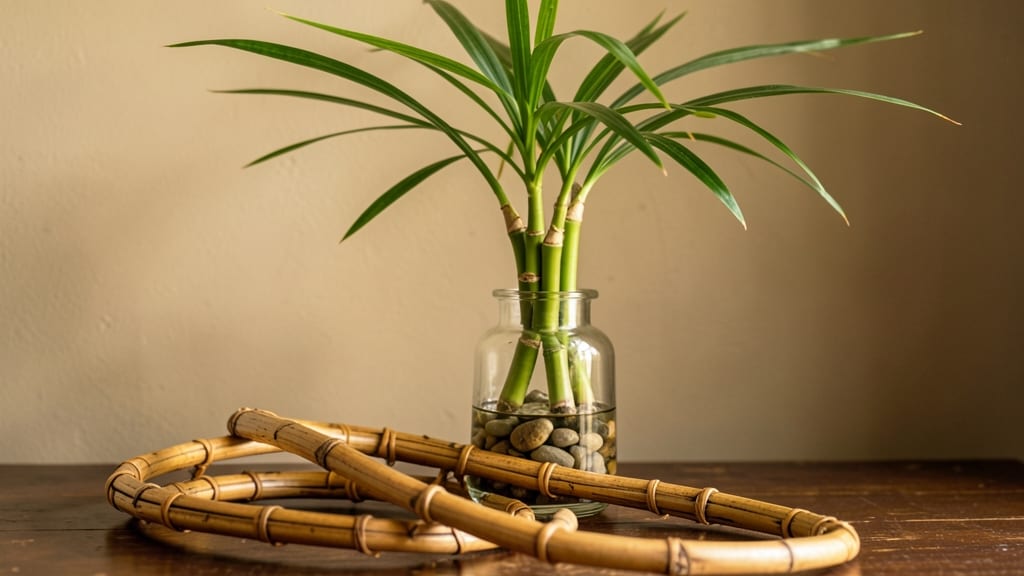
Creating a bamboo garden hoops trellis transforms empty corners into lush vertical gardens where vines and flowers climb to new heights. I first discovered this technique after struggling with flimsy wire trellises that bent under the weight of morning glories.
The beauty lies in how simple bamboo makes it—no complex tools, just natural materials and a few clever twists.
You’ll need 3-5 bamboo poles (3-4 feet tall), sturdy twine or garden wire, and a few hours of patient work. The process starts by bundling three poles together at the base, then weaving them in a spiral as they rise.
This creates a sturdy, organic frame that looks like it belongs in a Japanese garden but works just as well for sunflowers or cucumbers in a backyard.
The result is a lightweight yet durable structure that supports climbing plants without blocking sunlight or crowding your garden bed. Watch as clematis or beans twine themselves around the hoops, creating a living tapestry that changes with each season.
The best part? You can customize the height and spacing to fit any corner or wall.
This design works for small spaces, balconies, or even indoor herb gardens—just scale the hoops to your needs. The key is keeping the bamboo fresh and the twine tight. Once you’ve mastered one, you’ll want to create a whole vertical garden wall. Let’s get those hoops growing!
📚 In This Guide
- What you need
- Instructions
- Tips and common mistakes
- Wrapping up and next steps
What you need
- ● Bamboo hoops: 10-15 hoops (diameter: 12–18 inches, height: 2–3 feet). Choose untreated, sturdy poles for durability.
- ● Jute twine or garden wire: 50–100 feet (for securing hoops to a frame or fence). Opt for biodegradable twine if eco-friendly is a priority.
- ● T-posts or wooden stakes: 4–6 stakes (6–8 feet tall) to anchor the frame. Pressure-treated wood works well.
- ● Heavy-duty zip ties or wire: 20–30 pieces (for reinforcing joints and connections).
- ○ Plant supports (optional but helpful): Soft plant ties or Velcro strips (10–20 pieces) to gently secure climbing plants.
- ● Hammer or mallet (for driving stakes into the ground).
- ● Wire cutters or scissors (for trimming twine/wire).
- ● Measuring tape (to ensure even spacing between hoops).
- ● Drill or screwdriver (if pre-drilling holes for stakes).
- ○ Level (optional but handy for keeping hoops straight).
- ● PVC pipes or metal rods (to create a sturdy frame for hoops if freestanding).
- ● Waterproof sealant (to extend bamboo’s lifespan if used outdoors long-term).
- ● Decorative elements like paint or natural dyes (for a personalized touch).
- ● Compost or mulch (to enrich the soil around your vertical garden).
Step-by-Step instructions for building a twist-and-grow bamboo trellis
Here’s how to create a sturdy, twist-style bamboo trellis that supports climbing plants beautifully.
Gather and Prepare Your Bamboo Hoops
Start by selecting 4-foot lengths of ½-inch diameter bamboo poles—this size balances strength and flexibility. If your poles are fresh, soak them in water for 24 hours to make them more pliable. This prevents cracking when you bend them into hoops. Use a hacksaw to cut the bamboo into 18-inch lengths for each hoop, ensuring clean cuts to avoid splinters.
For a 4-hoop trellis, you’ll need 8 bamboo pieces total (4 for the top hoops and 4 for the bottom). Lay two pieces side by side and use a zip tie or soft wire to loosely bind them at the ends. This keeps them aligned while you shape them. Bend the bamboo into a 12-inch diameter circle by hand, then secure the ends with a final zip tie. Repeat for all 8 pieces.
Assemble the Vertical Framework
Place two hoops side by side on a flat surface, 6 inches apart. Align their centers and use 4 wooden stakes (12 inches long) to connect them vertically. Drive one stake into the ground at each intersection point, then slide the hoops over the stakes. The stakes should sit 2 inches below the top hoop and 2 inches above the bottom hoop for stability.
Repeat this process to create a second pair of hoops, then connect the two pairs with 2 additional stakes on the sides. This forms a rectangular frame with four hoops. Step back and check for even spacing—all hoops should be parallel and level. If any wobble, adjust the stakes or add a fifth stake in the center for reinforcement.
Twist the Hoops for a Secure Trellis
Now for the twist-and-grow effect: Hold the top two hoops firmly with one hand and the bottom two hoops with the other. Rotate the top hoops ¼ turn clockwise while keeping the bottom hoops stationary. This creates a gentle spiral that guides vines upward. Secure the twist by wrapping landscape fabric strips around the intersection points where the hoops meet the stakes.
For extra durability, reinforce the twist with 3-4 zip ties per hoop intersection, placing them at 45-degree angles for a clean look. Avoid over-tightening—the bamboo should still flex slightly when touched. Test the structure by gently pulling on the hoops to ensure they don’t shift. If they do, add another stake or adjust the fabric wraps.
Attach Climbing Plants and Secure
Once your trellis is built, position it in a sunny spot where your climbing plants will thrive. Plant 4-6 vines at the base, spacing them evenly around the structure. Use soft garden twine to loosely tie the main stems to the bottom hoop, ensuring they grow upward naturally. As the vines climb, they’ll wrap around the twisted bamboo, creating a lush, vertical display.
Water the base thoroughly after planting to encourage root growth. In 2-3 weeks, you’ll see new shoots reaching for the hoops. If any vines struggle to climb, gently weave them through the bamboo gaps or tie them with twine. Avoid over-tightening—you want the plants to grow, not strangle. Mulch the base with 2 inches of shredded bark to retain moisture and suppress weeds.
Maintain and Expand Your Trellis
Check the trellis weekly for stability, especially after rain or wind. Tighten any loose zip ties or fabric wraps, and trim excess twine to prevent tangling. If your plants outgrow the trellis, add 2 more hoops to extend the height. Simply repeat the twisting process with new bamboo pieces, attaching them to the existing stakes with additional fabric strips.
In late fall, cut back any dead or overgrown vines but leave the trellis in place. The bamboo’s natural durability means it can last 3-5 years with minimal maintenance. Store any removed vines in a dry place and replant fresh climbers in spring. This trellis isn’t just functional—it’s a stunning focal point that transforms vertical space into a thriving garden feature.
Tips & tricks for building a twist-and-grow bamboo trellis
A few key strategies will help you create a trellis that's both sturdy and beautiful—here's what I've learned from building mine over the years.
The 24-Hour Soak Secret: Don't skip soaking fresh bamboo for the full 24 hours if you're working with green poles. I learned this the hard way when my first trellis cracked during assembly. The soaking makes the bamboo pliable enough to bend without breaking, and it prevents those frustrating splits that ruin your design. If you're short on time, you can soak for just 12 hours, but be extra gentle when bending.
Bending Technique: When shaping your 18-inch bamboo pieces into 12-inch diameter hoops, place them over a sturdy pipe or large dowel for support. Start bending at the ends and work toward the center to maintain even pressure. I find it helps to wear gloves—bamboo can be surprisingly abrasive! For the first few hoops, practice on scrap pieces to get the feel before working with your final pieces.
Stability Check: After assembling your vertical framework with the wooden stakes, do this quick test: Gently push down on each corner of the structure. If it wobbles even slightly, you'll need to add that fifth center stake mentioned in Step 2. I've found this simple test saves me from discovering instability after planting, when it's much harder to fix. The stakes should be driven deep enough that they don't come out when you pull on the hoops.
Planting Strategy: When planting your 4-6 vines at the base, space them slightly closer to the center of the trellis than the edges. This creates a more even distribution of plant growth around the hoops. I've noticed that vines planted near the edges sometimes grow unevenly, with more growth on one side of the trellis. Also, consider planting fast-growing varieties like morning glories or beans on the bottom hoop—they'll reach upward quickly and provide immediate support.
Pro Tips for Bamboo Hoops Garden
- A few key strategies will help you create a trellis that's both sturdy and beautiful—here's what I've learned from building mine over the years.
- The 24-Hour Soak Secret: Don't skip soaking fresh bamboo for the full 24 hours if you're working with green poles.
- Bending Technique: When shaping your 18-inch bamboo pieces into 12-inch diameter hoops, place them over a sturdy pipe or large dowel for support.
Frequently asked questions
Got questions about creating your own bamboo hoops garden?
You’re not alone—this DIY vertical trellis system is fun but can feel tricky at first. Here are answers to the most common queries to help you grow with confidence!
What plants work best in a bamboo hoop trellis?
A bamboo hoop garden thrives with fast-growing, vine-friendly plants like pole beans, cucumbers, squash, morning glories, or even flowering vines like jasmine. Avoid heavy fruits (like watermelons) unless you reinforce the hoops. Pro tip: Choose plants with a tendril or climbing habit—they’ll latch onto the hoops naturally!
How long does it take to assemble a bamboo hoop garden?
With a few helpers, you can assemble a 4x4-foot frame in 30–60 minutes if you’ve pre-cut materials. Bamboo hoops (3–4 feet tall) take 5–10 minutes each to attach. Total time: 1–2 hours for a small setup, longer for larger gardens. Weekend project alert!
Are bamboo hoops expensive? Can I use alternatives?
Bamboo hoops cost $1–$3 each (or free if you harvest them sustainably!). Alternatives:
- PVC pipes (cut into hoops, painted green)
- Wrought iron rings (durable but pricier)
- Recycled plastic hangers (budget-friendly)
- Wooden dowels bent into circles (DIY challenge!)
How do I protect bamboo hoops from weather or pests?
Bamboo is naturally weather-resistant, but heavy rain or snow can warp hoops. Prevent issues:
- Seal hoops with non-toxic outdoor varnish (like tung oil) to repel moisture.
- Space hoops 6–12 inches apart for airflow (reduces mold).
- Treat with neem oil spray to deter pests like aphids or slugs.
What if my plants aren’t climbing fast enough?
Slow climbers? Give them a boost!
- Gently tie vines to hoops with soft twine or old fabric strips every few days.
- Use plant clips (available at garden centers) for delicate stems.
- Train young plants by weaving them through hoops as they grow.
Wrapping up and next steps
Incorporating a bamboo hoops garden into your space isn’t just creative—it’s a game-changer for maximizing growth and aesthetics!
These versatile trellises transform any area into a lush, vertical paradise, perfect for climbers like beans, peas, or even decorative vines. 🌱 Whether you’re a seasoned gardener or just starting, this project is simple, budget-friendly, and endlessly customizable.
Ready to twist-and-grow? Grab your bamboo, roll up your sleeves, and start building—your plants (and future harvests) will thank you! For extra inspiration, explore DIY garden hacks or share your setup with fellow green thumbs. Happy gardening! 🌿