
Advice
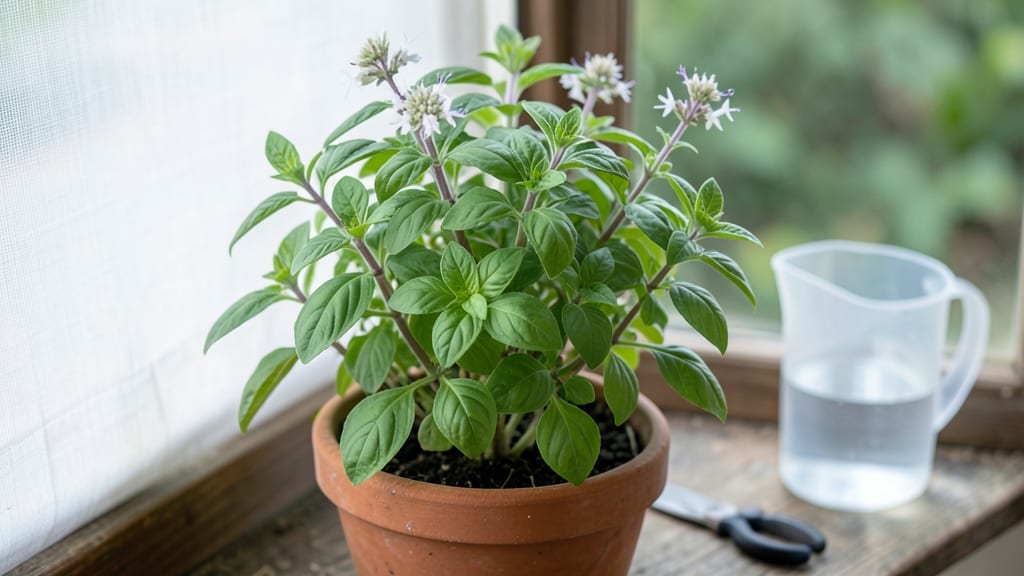
Here are some essential basil gardening tips to turn your seeds into thriving, pest-free plants in just three months—magic you’ll want to repeat. 🌱 I’ve grown basil for years, and the difference between struggling plants and lush, pest-free bushes comes down to a few key habits: the right soil, consistent watering, and knowing exactly when to prune.
Start with well-draining potting mix or garden soil amended with compost, and place your basil where it gets at least 6 hours of sunlight daily. Water when the top inch of soil feels dry, but never let it soggy—root rot is the silent killer of basil.
Prune regularly to encourage bushier growth, and pinch off flowers to keep the plant focused on leaves instead of seeds.
📚 In This Guide
- What you need
- Instructions
- Tips and common mistakes
- Wrapping up and next steps
What you need
- ● Basil Seeds or Seedlings: 1–2 packets of sweet basil or genovese basil seeds (or 3–5 healthy seedlings from a nursery).
- ● Pro Tip: 💡 Start seeds indoors 4–6 weeks before the last frost for a head start!
- ● Containers: 1–2 6-inch deep pots (with drainage holes) OR a 5-gallon bucket (for larger harvests).
- ● 1 tray or saucer (to catch excess water).
- ● Soil: 1 bag of well-draining potting mix (avoid garden soil—it’s too dense!).
- ○ Optional Boost: Mix in 1 cup of compost or worm castings for extra nutrients. ✨
- ● Watering Supplies: A spray bottle (for seedlings) or a watering can with a fine rose (to avoid disturbing soil).
- ● Fertilizer: 1 bottle of balanced liquid fertilizer (5-5-5 or 10-10-10 ratio) OR 1 cup of fish emulsion.
- ● A grow light (if starting indoors before spring).
- ● Pruning shears (for harvesting and shaping plants).
- ● 1–2 mesh cages or stakes (to support tall varieties like Thai basil).
- ● A thermometer (to monitor soil temp—ideal range: 70–85°F).
- ● Neem oil or insecticidal soap (preventative pest control).
How to grow basil that thrives without pests
Here's the no-fuss method I've used for years to keep basil lush, productive, and completely pest-free.
🌱 Step 1: Start with the Right Soil and Light
Basil hates soggy roots, so begin with well-draining potting mix in containers with drainage holes. I use a mix of 60% potting soil and 40% perlite to keep roots aerated. Place your pots in a spot with 6-8 hours of direct sunlight daily—a south-facing window or under grow lights works best.
If you're planting outdoors, wait until after the last frost when soil temperatures reach at least 50°F. Basil won't tolerate cold, so don't rush it. You'll know you've got the right conditions when leaves stay bright green and new growth appears within a week.
💧 Step 2: Water Smartly to Prevent Common Problems
Water basil when the top inch of soil feels dry, but don't let it sit in standing water. I water at the base in the morning so leaves dry quickly—this prevents fungal diseases like downy mildew, which is basil's worst enemy. Overwatering causes yellow leaves and root rot, so less is more here.
Mist the leaves lightly in the evening if your air is dry, but avoid wetting the foliage if possible. You'll notice healthy basil has plump, glossy leaves and grows steadily upward. If leaves start curling or dropping, you're either overwatering or underwatering.
✂️ Step 3: Prune for Bushier Growth and Pest Prevention
Pinch off the top set of leaves when the plant reaches about 6 inches tall. This encourages branching and prevents the plant from becoming leggy. I also remove any yellow or damaged leaves immediately—they attract pests and spread disease.
Harvest regularly by cutting stems just above a leaf node. This keeps the plant productive and discourages pests. If you see tiny holes in leaves or sticky residue, it's time to isolate the plant and treat it with neem oil (but with basil, prevention through pruning usually keeps pests away entirely).
☀️ Step 4: Protect from Pests Without Chemicals
Basil attracts pests like aphids and whiteflies, but I've found that a strong stream of water from the hose knocks them off instantly. Do this in the early morning so leaves dry quickly. For extra protection, plant basil near tomatoes or peppers—their strong scent repels many common pests.
If you spot pests, isolate the plant and spray with a mix of 1 tablespoon neem oil, 1 teaspoon mild dish soap, and 1 quart of water. Reapply every 5-7 days until pests disappear. Healthy basil grows so vigorously that pests rarely become a problem if you stay on top of watering and pruning.
🌿 Step 5: Harvest and Extend the Season
Harvest leaves in the morning after the dew has dried. Use clean scissors or your fingers to pluck leaves just above a node. This encourages new growth and keeps the plant productive. You'll get the best flavor when you harvest regularly—don't wait until the plant is overgrown.
To extend the season, bring potted basil indoors before the first frost. Place it near a sunny window or under grow lights for 12-14 hours daily. With proper care, your basil will keep producing until winter ends. Freeze any extra leaves in olive oil for later use—it's the perfect way to enjoy your homegrown harvest all year.
Tips & tricks for perfect basil growth
Here's what I've learned after growing basil for years—these tricks prevent common problems and keep your plants thriving.
The Light Factor: Those 6-8 hours of direct sunlight in Step 1 are non-negotiable. If your basil starts stretching toward the light with long, pale stems, it's not getting enough. I've found that placing pots on a rotating tray helps ensure even exposure as the sun moves across the sky.
Soil Selection Tip: Don't skimp on the perlite! That 60/40 mix of potting soil to perlite is crucial—it prevents compaction and keeps roots healthy. I've ruined basil plants using regular garden soil because it holds too much moisture. For containers, choose ones with drainage holes at least 1/4-inch in diameter.
Pruning Strategy: In Step 3, when you pinch back at 6 inches, you're actually encouraging the plant to grow bushier. I like to do this every 2-3 weeks to maintain that compact shape. Always use clean scissors or your fingers—dirty tools can introduce diseases. Remove any leaves that touch the soil to prevent fungal growth.
Pest Prevention: The neem oil spray in Step 4 works wonders, but I've found that prevention is even better. I've noticed basil planted near marigolds or nasturtiums rarely gets pests—their strong scents naturally repel insects. It's like having a built-in pest control system!
Pro Tips for Basil Gardening Tips
- Here's what I've learned after growing basil for years—these tricks prevent common problems and keep your plants thriving.
- The Light Factor: Those 6-8 hours of direct sunlight in Step 1 are non-negotiable.
- Soil Selection Tip: Don't skimp on the perlite!
Frequently asked questions
Got questions about growing basil like a pro? Here are some of the most common ones—plus the quick fixes you need to keep your plants happy and pest-free!
How often should I water my basil plants?
Basil loves moisture but hates soggy roots. Water deeply when the top inch of soil feels dry—usually every 2–3 days in hot weather. Pro tip: Use a spray bottle for seedlings to avoid disturbing them, and always water at the base to prevent fungal diseases.
When is the best time to harvest basil?
Harvest when your basil has at least 6–8 leaves and stems are pencil-thick. Pinch off the top set of leaves (just above a leaf node) to encourage bushier growth. Best time? Morning after dew dries—flavors peak then! Avoid cutting more than one-third of the plant at once.
Why do my basil leaves turn yellow or develop holes?
Yellowing leaves often mean overwatering or poor drainage. Holes? Likely pests like spider mites or aphids. Quick fixes: Spray with neem oil (mix 1 tsp with 1 quart water) or introduce ladybugs. Check the undersides of leaves for tiny webs or bugs.
Can I grow basil indoors without sunlight?
Yes! Place your basil near a south-facing window (6+ hours of light daily) or use a grow light 12–14 hours/day. If leaves stretch toward light (called etiolation), rotate the pot daily. Bonus: A sunny windowsill + occasional outdoor time boosts flavor!
What’s the easiest way to propagate basil?
Snip a 4-inch stem just below a leaf node, remove lower leaves, and place it in water. Roots grow in 1–2 weeks. Transplant to soil once roots are 2+ inches long. Pro move: Use a clear glass to track root growth—kids love this science experiment!
Wrapping up and next steps
Growing basil doesn’t have to be a challenge—with the right basil gardening tips, you’ll enjoy a thriving, pest-free harvest in just three months! 🌱 From selecting the perfect spot to mastering organic pest control, these strategies ensure lush, flavorful leaves year after year.
Whether you’re a beginner or a seasoned gardener, your green thumb is about to shine brighter.
Now that you’re armed with expert advice, it’s time to get your hands dirty! Start by picking your favorite basil variety, grab your supplies, and plant with confidence. Before you know it, you’ll be savoring homegrown basil in your favorite dishes—bon appétit! 🍃