
Companion Plants
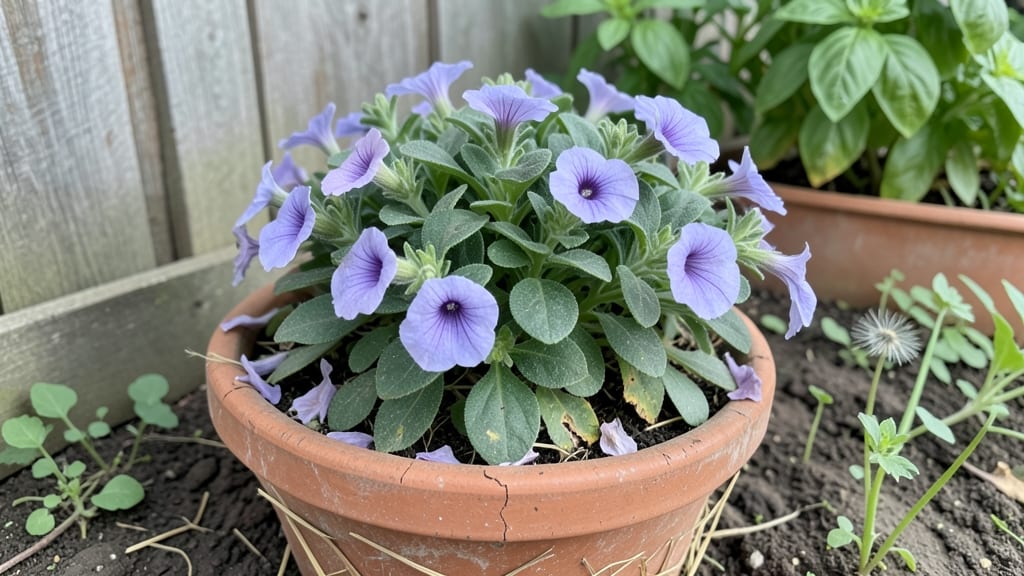
These beginner garden plants will transform your first garden into a thriving success story—no green thumb required. 🌱 I’ve watched my own backyard go from bare soil to a lush, productive patch in just 8 weeks, all thanks to these hardy plants that forgive mistakes and reward patience.
The secret isn’t complicated: pick the right plants, give them basic care, and let nature do the rest.
You’ll need full sun to partial shade, well-draining soil (even store-bought potting mix works), and a watering can or hose. Most of these plants tolerate drought once established, so overwatering is the real danger.
My top picks? Radishes (ready in 3 weeks), bush beans (fast-growing and productive), and zucchini (yes, even beginners can grow these—just give them space).
By midsummer, you’ll be harvesting crisp radishes, tender beans, and squash so prolific your neighbors will ask for cuttings. The best part? These plants crowd out weeds naturally, so you’ll spend less time weeding and more time enjoying the results.
Confession: my first garden had a few flops, but these companions made up for it.
Works in containers, raised beds, or in-ground plots—no fancy setup needed. Let’s get you growing these foolproof plants that even my black thumb can’t kill.
📚 In This Guide
- What you need
- Instructions
- Tips and common mistakes
- Wrapping up and next steps
What you need
- ● Seeds or seedlings: Choose from easy companions like bush beans, radishes, lettuce, basil, or marigolds. Start with 5–10 plants (or seeds) to avoid overwhelm.
- ● Containers or garden beds: Containers: 5–10 5–10 gallon pots with drainage holes (plastic or terracotta).
- ● Garden beds: A 4’x4’ raised bed or in-ground plot with 6+ inches of loose, well-draining soil.
- ● Potting mix: 1–2 bags of high-quality seed-starting mix or compost-blended soil (avoid garden soil—it’s too dense!).
- ● Watering can or hose: A 1-gallon watering can with a rose nozzle (for gentle watering) or a soaker hose.
- ● Hand trowel: A 6–8” stainless-steel trowel for planting and soil prep.
- ● Gloves: A pair of gardening gloves (cotton or nitrile-coated) to protect your hands.
- ○ Mulch (optional but helpful): 1–2 bags of straw, shredded leaves, or pine needles to retain moisture.
- ● Sunlight: A spot with 4–6 hours of direct sunlight daily (most veggies and herbs thrive here!).
- ● Water access: A nearby water source or hose connection.
- ● Patience (but not too much!): Fast growers like radishes or beans sprout in 5–10 days—instant gratification!
- ● Basic knowledge: Learn 3 key rules: ✅ Companion plant wisely: Pair basil with tomatoes or marigolds with veggies to deter pests.
- ● ✅ Water consistently: Keep soil moist but not soggy (1 inch per week).
- ● ✅ Harvest regularly: Pick leaves/veggies often to encourage growth!
- ● Start small: Too many plants = overwhelm. Begin with 3–5 varieties to master care.
- ● Label your plants: Use popsicle sticks + markers to track what’s what (trust us, you’ll forget!).
- ○ Fertilizer (optional): A balanced, slow-release fertilizer (like 10-10-10) can help, but compost is even better!
- ● Pest control: Keep a spray bottle with soapy water (1 tsp dish soap + 1 quart water) for aphids.
How to select and grow fast-growing beginner garden plants
Here’s how to choose and cultivate four resilient, quick-starting plants that build confidence fast.
🌱 Step 1: Pick the Right Fast-Growing Species
Start with bush beans, radishes, lettuce, and zucchini—they mature in 30-60 days and forgive mistakes better than fussy varieties. Bush beans grow 2-3 feet tall with minimal staking, while radishes pop up in 3-4 weeks and tolerate cooler soil. Lettuce thrives in partial shade and regrows after harvest, while zucchini produces 2-3 pounds per plant in just 45 days.
Check your last frost date and plant beans and zucchini 2-3 weeks after frost when soil reaches 60°F. Radishes and lettuce handle cooler temps—sow them 1-2 weeks before for an early harvest. I always plant extra radishes; they’re great for quick wins and salads.
💧 Step 2: Prepare Soil and Plant Seeds
Loosen the top 6 inches of soil with a garden fork or tiller to break up compaction. Amend with 2 inches of compost (from your materials list) to boost nutrients—these plants are heavy feeders, especially zucchini. Mix the compost into the topsoil until it’s dark and crumbly, like cake batter.
Sow seeds ½ inch deep for beans and zucchini, ¼ inch deep for radishes and lettuce. Space bush beans 4 inches apart in rows 18 inches apart, and zucchini 2 feet apart in all directions. Thin radishes to 1 inch apart and lettuce to 6 inches apart once they sprout—crowding stunts growth. Water gently after planting to settle soil around seeds.
☀️ Step 3: Water and Maintain for Fast Growth
Keep soil consistently moist but not soggy—1 inch of water per week is ideal. Water at the base of plants in the morning to prevent fungal diseases. Bush beans and zucchini need full sun (6+ hours daily), while lettuce tolerates partial shade (4-6 hours). Radishes can handle light shade but grow fastest in sun.
Mulch with 2 inches of straw (from your materials list) after seedlings emerge to retain moisture and suppress weeds. Watch for yellowing leaves—this signals overwatering or nitrogen deficiency. Feed zucchini and beans with a balanced fertilizer (10-10-10) every 3-4 weeks once flowers appear.
✂️ Step 4: Harvest at Peak Maturity
Pick radishes when they reach 1 inch in diameter—they get woody if left too long. Harvest lettuce outer leaves first, cutting just above the soil line to encourage regrowth. Zucchini and beans produce best when harvested frequently; pick zucchini when 6-8 inches long and beans when pods are firm and plump. Never let zucchini grow past 10 inches—they turn bitter and attract pests.
Harvest in the morning after dew dries for crispest produce. Store radishes and lettuce in the fridge for 1-2 weeks, and zucchini for 5-7 days. I always share extras with neighbors—it’s a great way to build gardening community!
Tips & tricks for perfect fast-growing beginner garden plants
These quick-starting plants thrive on attention to detail—here's how to maximize their speed and resilience.
Soil Temperature Matters: The 60°F soil temperature in Step 1 is your magic number for quick germination. Use a soil thermometer to confirm—cold soil slows growth dramatically. I've seen radishes emerge in just 3 days when soil is properly warmed, versus 10 days when it's below 55°F. For cooler climates, consider using black plastic mulch to warm the soil faster. This is especially critical for zucchini, which needs warm soil to establish strong roots.
Planting Depth Precision: The ½-inch depth for beans and zucchini might seem shallow, but it's perfect for rapid sprouting. Press seeds gently into soil rather than digging holes—this maintains consistent moisture at seed level. For radishes and lettuce, use your finger to create tiny furrows at ¼-inch depth, then cover with a light dusting of soil. Too-deep planting delays germination by up to 50% in these fast growers.
Sunlight Strategy: While all plants benefit from sun, zucchini and beans actually perform better with a little afternoon shade in hot climates. I've noticed their leaves scorch at 6+ hours of direct sun when temperatures exceed 90°F. For these plants, position them to receive morning sun and afternoon shade—this prevents wilting while maintaining growth speed. Lettuce, meanwhile, will bolt faster in intense heat, so partial shade becomes essential after 85°F.
Harvest Timing: That 1-inch diameter for radishes isn't just about size—it's about texture. I've learned the hard way that waiting even 2-3 days turns them woody and pithy. For zucchini, harvest when they're 6-8 inches long—this is when their skin is tender and flavor peaks. The key is consistency: check your plants daily during their 30-60 day growth window. Frequent harvesting actually stimulates more production!
Pro Tips for Beginner Garden Plants
- These quick-starting plants thrive on attention to detail—here's how to maximize their speed and resilience.
- Soil Temperature Matters: The 60°F soil temperature in Step 1 is your magic number for quick germination.
- Planting Depth Precision: The ½-inch depth for beans and zucchini might seem shallow, but it's perfect for rapid sprouting.
Frequently asked questions
Got questions about starting your beginner garden?
You’re not alone! Here are answers to the most common concerns to help you grow with confidence.
What are the easiest fast-growing plants for beginners?
Start with bush beans, radishes, lettuce, or zucchini—they sprout quickly (5–10 days!) and tolerate mistakes. Herbs like basil and cilantro are also forgiving. These plants thrive in partial shade or full sun and reward patience with rapid harvests.
When is the best time to plant these beginner-friendly crops?
Most fast-growing plants love cool spring or warm fall weather. Plant radishes and lettuce as soon as soil is workable (around 60°F). Zucchini and beans prefer after the last frost (when night temps stay above 50°F). Check your USDA zone for local timing!
Can I grow these plants in containers or small spaces?
Bush beans, radishes, and herbs
thrive in pots (5+ gallons). Zucchini needs a 10–12 gallon container with trellis support. Use well-draining soil and place containers in 6+ hours of sunlight. Just ensure pots have drainage holes to avoid soggy roots.
What should I do if my plants get pests or diseases?
Start with prevention: Water at the base (not leaves) to deter fungus, and handpick pests like aphids. For mild issues, spray neem oil or introduce beneficial insects (ladybugs!). Avoid chemicals—most beginner plants recover fast with proper care.
How do I know if my plants are getting too much (or too little) sun?
Check the leaves: Yellow or crispy edges = too much sun; leggy stems or pale leaves = not enough. Most veggies need 5–8 hours of sunlight. Move containers or adjust shade cloth if needed. Observe for a week to spot patterns!
Wrapping up and next steps
Starting your first garden is an exciting journey, and choosing the right beginner garden plants sets you up for success! Fast-growing companions like sunflowers, radishes, and basil not only thrive with minimal effort but also create a vibrant, low-maintenance space.
Remember, even the smallest steps—like proper spacing or consistent watering—make a big difference.
Now that you’re armed with the best picks, take the plunge! Grab your gardening tools, pick a sunny spot, and let your green thumb grow. Happy planting—your garden awaits! 🌱
- Next step: Sketch a simple garden layout or mark your planting spots with stakes.