
Tools
The best place for a garden isn’t just a spot—it’s a sun-soaked, soil-rich sanctuary where your 🌱 dreams take root. Dreaming of a thriving garden but unsure where to plant it?
The right location can make the difference between a lush paradise and a struggling patch of dirt—here’s how to choose a spot that maximizes growth and minimizes frustration.
Picture this: your tomatoes basking in 6+ hours of sunlight while your herbs sip cool shade by the patio. That’s not luck—it’s science.
The secret lies in matching plants to their natural light needs, testing soil drainage with a simple jar test, and avoiding windy corners where your seedlings get battered before they even sprout.
You don’t need a sprawling backyard to start. Whether you’re tucked into an urban apartment or have a rural acre, we’ll show you how to turn balconies, raised beds, or even a sunny windowsill into a productive garden.
No more guessing—just proven strategies for soil prep, space efficiency, and year-round success.
By the end, you’ll know exactly where to dig (or plant those containers), which plants thrive in your microclimate, and how to protect your greens from pests without chemicals. Let’s get growing—your perfect plot is waiting.
Sunlight requirements for different plants: how to pick the perfect spot
Choosing the best place for a garden starts with understanding your plants' sunlight needs. Not all plants thrive in the same conditions—some crave full sun exposure, while others struggle with too much light.
I’ve learned that 6+ hours of direct sunlight defines full sun, 3-6 hours is partial shade, and less than 3 hours is deep shade. Matching your yard’s microclimates to these needs is key to avoiding wilting or leggy growth.
Your yard isn’t one uniform space—it’s a patchwork of sunlight hotspots and shaded corners. A south-facing wall might get intense afternoon sun, while a north-facing corner could stay cool and shaded.
Even small differences in elevation or nearby trees can shift sunlight exposure. I always map my yard by observing how shadows move throughout the day, especially during peak summer months.
Plant Type
Sunlight Needs
Water Needs
Mature Size
Best For
Tomatoes, Peppers, Lavender
Full Sun (6+ hrs)
Moderate to High
1-6 ft
Vegetable Beds
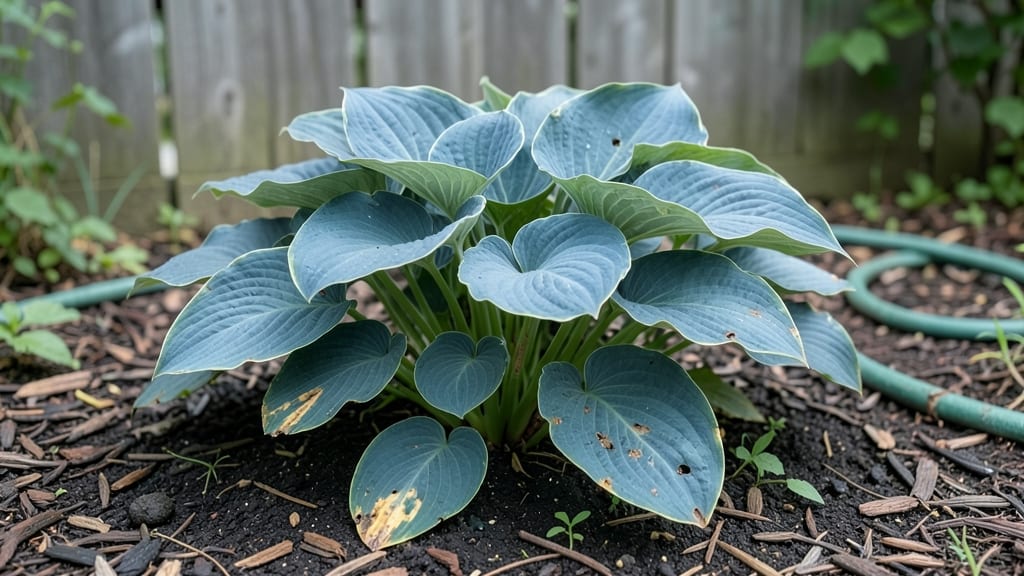
Hostas, Ferns, Astilbe
Partial Shade (3-6 hrs)
Low to Moderate
1-3 ft
Shady Borders
Calatheas, Snake Plants, Ivy
Deep Shade (<3 hrs)
Low
1-4 ft
Indoor/Under Trees
Roses, Sunflowers, Basil
Full Sun (6+ hrs)
High
2-10 ft
Sunny Patios
Coleus, Begonias, Impatiens
Partial Shade (3-6 hrs)
Moderate
1-2 ft
Container Gardens
Seasonal shifts matter, too. A northern exposure might get 3 hours of sun in winter but 6+ in summer, while a southern exposure stays hotter year-round.
I adjust my garden layout by moving heat-sensitive plants like lettuce to partial shade in summer and sun-lovers like tomatoes to full sun spots. Use a sunlight tracker app for a week to log your yard’s real-time conditions.
Don’t overlook microclimates created by structures. A brick wall absorbs heat, creating a warmer microclimate perfect for mediterranean herbs. My east-facing balcony gets gentle morning sun—ideal for delicate flowers like pansies that avoid afternoon heat.
Even a 10-foot difference in elevation can change sunlight exposure by 30 minutes or more.
If your space is limited, container gardening lets you move plants to follow the sun. I keep my herb pots on a rolling tray and shift them daily for optimal sunlight. For in-ground gardens, group plants with similar needs together.
Place full-sun plants like tomatoes and peppers near the southern edge of your yard, while partial-shade lovers like coleus thrive near the north or east sides.
Watch out for false shade—areas that seem shaded but get dappled sunlight through trees. While deep shade plants like calatheas love this, vegetables often struggle. I test spots by placing a white plate in the ground for a day—if it stays cool, it’s true shade.
If it warms up, it’s partial sun in disguise.
For urban gardens, balconies and rooftops often get intense reflected heat from nearby buildings. Use light-colored containers to deflect heat and mulch heavily to retain moisture. My rooftop garden uses self-watering planters to combat the extra heat, while shade cloth protects leafy greens from scorching.
Pro tip: Observe your yard for 24 hours in all seasons. Note where morning sun fades into afternoon shade and where hot spots form. This helps you plan for seasonal changes—like moving <
Soil and space secrets: hidden factors that determine garden success
Choosing the best place for a garden isn’t just about sunlight—soil quality, drainage, and space efficiency play equally critical roles. Many gardeners overlook these hidden factors, leading to stunted plants or wasted effort. Let’s dig into what truly makes a garden thrive beyond the obvious.
Your garden’s soil pH and drainage can make or break your plants. For example, blueberries need acidic soil (pH 4.5-5.5), while tomatoes prefer slightly acidic to neutral (pH 6.0-6.8). Poor drainage can drown roots, while compacted soil restricts growth. These details often separate a struggling garden from a flourishing one.
Best Place for a Garden: Pros & Cons
| Option | Pros | Cons |
|---|---|---|
| In-Ground Garden | Natural soil, low maintenance, ideal for large plants | Poor drainage risk, soil quality varies, weed competition |
| Raised Beds | Controlled soil, better drainage, fewer weeds | Higher initial cost, limited space, requires more soil |
| Containers | Portable, flexible, great for small spaces | Dries out faster, root restriction, limited plant choices |
| Windbreak Zones | Protects plants from damage, improves pollination, extends growing season | Requires planning, may block sunlight, needs maintenance |
Wind protection is another often overlooked factor. Strong winds can desiccate leaves or snap delicate stems. A simple living windbreak—like a row of bamboo or evergreens—can shield your garden while adding beauty. Even a fence or trellis can work in a pinch.
Space efficiency matters, too. Vertical gardening or intercropping maximizes small areas. For example, planting radishes (fast-growing) with tomatoes (slow-growing) saves space while optimizing sunlight. Always check plant spacing guidelines—crowding leads to disease and poor yields.
Before planting, run this quick diagnostic checklist: ☑️ Test soil pH (use a kit or lab) ☑️ Check drainage (dig a hole, fill with water—does it drain in 6 hours?) ☑️ Assess wind exposure (use a wind gauge or observe flags) ☑️ Measure sunlight (track shadows with a stake for a week) ☑️ Evaluate space constraints (sketch your layout)
Remember, the best place for a garden balances these factors. Start small, test your soil, and adjust as you go—your plants will thank you with bountiful growth! 🌱