
Vegetables
Creating a big garden in Omaha means working with Nebraska’s USDA Zones 5b-6a by planting cool-season crops like spinach in early spring, shifting to tomatoes and peppers in late May, and harvesting late-season kale and garlic. Mulching and protective covers help balance Omaha’s dramatic temperature shifts throughout the year.
A big garden in Omaha isn’t just about space—it’s about timing.
Omaha’s USDA Zone 5b-6a climate means you can grow a surprising variety of vegetables, but you’ll need to adjust your schedule to avoid early frosts or late heatwaves. 💫 For example, planting cool-hardy greens like arugula in March gives you an early harvest before summer heat sets in, while heat-loving crops like okra thrive in July’s higher temperatures.
The key is understanding your microclimate—areas near the Missouri River stay warmer longer than inland spots, so you might push your planting dates by a week or two in those zones.
Beyond timing, Omaha gardeners often rely on succession planting to maximize yields. After harvesting early peas, you can replant the same spot with beans or cucumbers, keeping the soil productive all season.
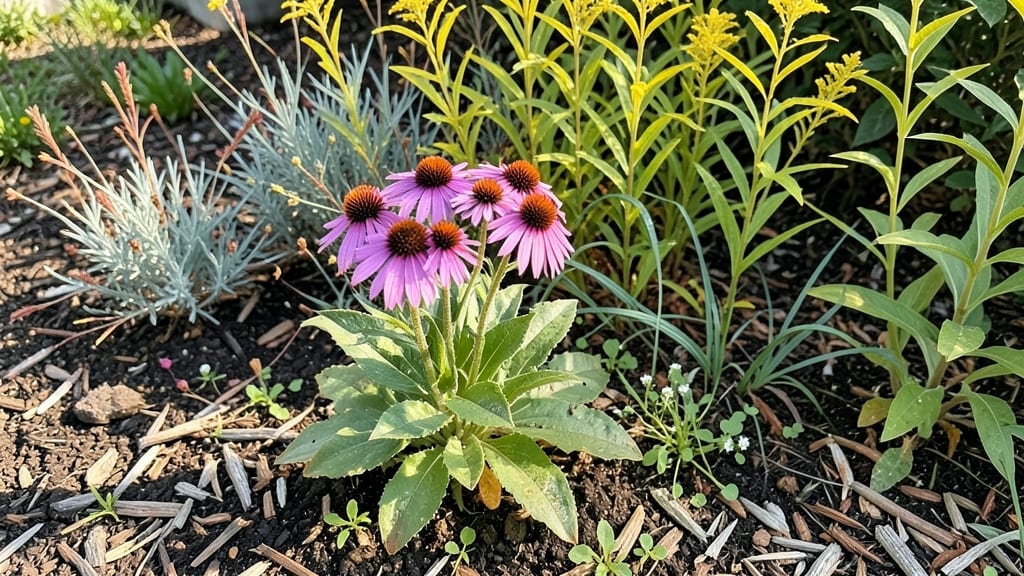
For late-season crops, row covers or cold frames extend harvests well into October, giving you fresh greens when most gardens have already shut down. The city’s drought-resistant native plants, like purple coneflower, also thrive with minimal watering, making them perfect for low-maintenance gardeners.
💡 In This Article
- Omaha’s Planting Zones and Microclimates
- Seasonal Planting Strategies for Omaha Gardens
Omaha’s planting zones and microclimates
Omaha sits squarely in USDA Hardiness Zones 5b-6a, where average minimum winter temperatures range from -15°F to -5°F. This might sound harsh, but it actually creates a surprisingly productive growing season when you understand the nuances.
The city’s 180-day frost-free period (typically May 15 to October 15) gives gardeners plenty of time to grow two full crops and even squeeze in a third with careful planning.
What most people don’t realize is how Omaha’s geography creates distinct microclimates—areas just a few miles apart can have 2-3 week differences in frost dates and heat accumulation.
The Missouri River acts as a natural temperature regulator, creating warmer zones along its banks. For example, neighborhoods like South Omaha near the river often experience 5-10°F warmer nights than areas in North Omaha or the western suburbs.
This means you can plant heat-loving crops like sweet potatoes 2 weeks earlier in river-adjacent areas. Conversely, the city’s urban heat island effect makes downtown Omaha 2-4°F warmer than rural areas, allowing for slightly extended growing seasons in those pockets.
Local weather data shows that downtown’s last spring frost occurs about 5 days later on average than in outlying areas.
Here’s how these microclimates affect your planting schedule: In Zone 5b areas (like northern Omaha), you’ll want to wait until May 10-15 to plant warm-season crops, while Zone 6a areas (south Omaha) can start as early as April 25-May 1.
The USDA hardiness map shows Omaha’s transition zone clearly, but local gardeners often adjust by 1-2 weeks based on their specific location.
For instance, cool-season crops like broccoli can go in the ground as early as March 15 in protected microclimates, while tomatoes should wait until soil temperatures consistently reach 55°F—usually around May 20 for most of the city.
To visualize these differences, check the Nebraska State Climate Office’s frost maps, which show Omaha’s average frost dates with remarkable precision.
For example, the 32°F frost line typically retreats to the northern suburbs by May 5, while downtown areas may not see their last frost until May 10. This variation explains why garden centers in different parts of the city often recommend slightly different planting dates.
The key is observing your own microclimate for 3-5 years—keeping a simple frost date journal will reveal patterns specific to your yard.
One practical application of this knowledge is adjusting your succession planting strategy. In cooler microclimates, you might plant bush beans in early June, while in warmer river-adjacent areas, you could start them 2 weeks earlier.
Similarly, fall crops like carrots can be sown in early August in Zone 6a areas but may need to wait until mid-August in Zone 5b. The Nebraska Extension’s Garden Hotline (402-472-3030) offers free microclimate-specific advice—worth a call before your first planting!
For visual learners, the Nebraska Statewide Arboretum’s interactive planting calendar (nebraskaarboretum.unl.edu) lets you input your exact ZIP code to generate hyper-local recommendations. This tool accounts for Omaha’s microclimates by showing heat accumulation units (GDD60) that match your location’s growing potential.
For example, downtown Omaha typically accumulates 3,200 GDD60 by October 1, while western suburbs may only reach 2,900—explaining why some varieties thrive downtown but struggle in outlying areas.
What most Omaha gardeners discover is that elevation changes of just 20-30 feet can create noticeable temperature differences. A hilltop garden might experience earlier frosts in spring and cooler nights in summer, while a valley garden stays warmer longer.
This is why south-facing slopes are prime real estate for heat-loving plants—they can accumulate 10-15% more growing heat than north-facing areas. Understanding these subtle terrain effects lets you optimize your garden layout for maximum productivity. ✨