Tools
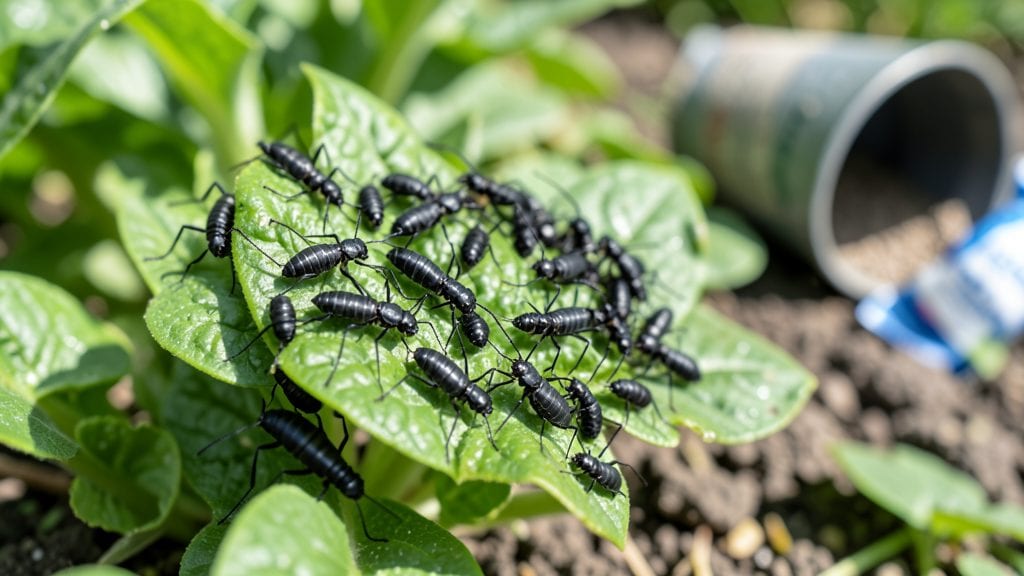
Black bugs in your garden aren’t just annoying—they’re a sign your ecosystem is out of balance. 🌱 I’ve battled everything from tiny black aphids to marching ants, and the key to stopping them isn’t chemicals but smarter barriers and habitat tweaks.
These pests thrive where plants are stressed or soil is disturbed, so the real fix starts with healthier growing conditions.
The good news? Most black bugs respond to simple changes like mulching with wood chips to disrupt their trails, planting strong-smelling herbs (like mint or rosemary) they avoid, or introducing natural predators such as ladybugs.
I’ve eliminated entire ant colonies by redirecting their water sources—no sprays needed. The secret is working with nature, not against it.
You’ll end up with a garden where black bugs barely show up, and your plants grow stronger and faster without hidden toxins. The first step is identifying which bugs you’re dealing with—ants, beetles, or something else—and then targeting their weaknesses. Let’s turn your garden into a fortress they won’t cross.
This works for vegetable patches, flower beds, and even houseplants—no matter your garden size. The methods here are proven, chemical-free, and adaptable to any season. Ready to reclaim your space?
Unwelcome Guests Explained
Discovering black bugs in your garden can feel like an unexpected invasion—especially when you’re aiming for a thriving, chemical-free space. But before reaching for pesticides, understanding why these pests show up is key to stopping them naturally.
Below, we break down the most common causes, backed by science, so you can address the root of the problem and reclaim your garden.
Black garden pests—like aphids, earwigs, or even stink bugs—thrive in dense, cluttered spaces where plants are packed too closely. Why? Limited airflow creates the perfect humid microclimate these bugs love, while overlapping foliage provides shelter and easy access to sap or soft plant tissues.
The science behind it:
- Humidity buildup: Stagnant air traps moisture, which attracts moisture-loving pests (e.g., fungus gnats, slugs). Studies show that relative humidity above 70% significantly increases pest activity in gardens.
- Food availability: Crowded plants stress each other, releasing volatile organic compounds (VOCs) that signal pests to "eat here first." Aphids, for example, are drawn to stressed plants with higher sugar content in their sap.
- Hiding spots: Tight spaces mimic natural habitats where bugs avoid predators (like birds or beneficial insects). Earwigs, for instance, seek dark, moist nooks under leaves or mulch.
Actionable fix:
- Space plants 3–6 inches apart (depending on the species) to improve airflow.
- Prune dead or overgrown branches to reduce hiding spots.
- Use raised beds or container gardening to elevate plants and deter ground-dwelling pests.
Black bugs often target plants that are either starving for nutrients or overfed with synthetic fertilizers. The imbalance weakens plants, making them easier prey—and sometimes even attracts pests that feed on decaying organic matter.
The science behind it:
- Nitrogen hunger: Plants low in nitrogen produce softer, more tender leaves that aphids and caterpillars adore. Aphids, specifically, prefer young, fast-growing shoots with high nitrogen levels.
- Phosphorus/potassium imbalance: Too much phosphorus (common in bone meal or synthetic fertilizers) can stimulate fungal growth, which attracts black fungus gnats. Meanwhile, potassium deficiency weakens cell walls, making plants vulnerable to borers.
- Over-fertilization: Excess salts from synthetic fertilizers burn plant roots, stressing them and releasing chemical distress signals that pests detect.
Actionable fix:
- Test your soil with a DIY kit (or send a sample to a local extension office) to check pH and nutrient levels.
- Switch to organic matter: Compost, worm castings, or aged manure slowly release nutrients without burning roots.
- Avoid quick-release fertilizers (like blood meal) and opt for slow-release options (e.g., fish emulsion, kelp meal).
- Interplant with nitrogen-fixing crops (e.g., clover, beans) to naturally boost soil health.
Black bugs—especially those that thrive in moisture—are drawn to gardens with poor watering habits. Whether you’re drowning your plants or leaving them parched, you’re creating the perfect pest buffet.
The science behind it:
- Overwatering: Soggy soil creates anaerobic conditions, where fungus gnats and slugs multiply rapidly. Fungus gnat larvae, for example, require constantly wet soil to survive.
- Underwatering: Stressed plants produce sticky honeydew (a sugary waste product) that attracts ants, aphids, and sooty mold. Ants farm aphids for this honeydew, creating a vicious cycle.
- Irregular watering: Plants with uneven moisture levels develop weak root systems, making them easier targets for borers and beetles.
Actionable fix:
- Water deeply but infrequently: Aim for 1–1.5 inches per week (including rainfall) and water at the base of plants to avoid wetting foliage.
- Use drip irrigation or soaker hoses to deliver water directly to roots and reduce surface moisture.
- Improve drainage by amending soil with perlite or coarse sand if it’s clay-heavy.
- Water in the early morning to allow foliage to dry quickly, deterring fungal pests.
Leaves, mulch, and plant debris aren’t just eyesores—they’re five-star resorts for black bugs. Piles of organic matter provide shelter, moisture, and even food for pests like earwigs, pill bugs, and darkling beetles.
The science behind it:
- Moisture retention: Decaying matter holds 30–50% more moisture than surrounding soil, creating ideal conditions for pests that avoid dryness.
- Food source: Decomposing plant material releases simple sugars and amino acids, which attract scavengers like sow bugs (pill bugs) and darkling beetles.
- Predator avoidance: Dense debris acts as a physical barrier, protecting pests from birds, spiders, and other natural enemies.
Actionable fix:
- Clear fallen leaves and plant debris regularly, but compost it instead of tossing it.
- Use straw or shredded leaves as mulch (they break down faster and deter pests better than thick layers of bark).
- Keep grass clippings off garden beds—they mat down and trap moisture.
- Install chicken wire or hardware cloth around compost piles to block pests like earwigs.
Sometimes, black bugs move in because their natural enemies aren’t around. Overuse of pesticides (even "natural" ones) can wipe out beneficial insects like ladybugs, lacewings, and ground beetles—leaving your garden wide open to pests.
The science behind it:
- Pesticide collateral damage: Broad-spectrum pesticides (including neem oil and pyrethrin) kill both pests and predators. For example, ladybugs are highly sensitive to neem oil, yet they’re crucial for aphid control.
- Monoculture gardens: Planting only one type of plant (e.g., a vegetable patch with just tomatoes) reduces biodiversity, which disrupts the food web that keeps pests in check.
- Habitat loss: Removing wildflowers, rocks, or leaf litter eliminates shelter for predatory insects
Natural Fixes for Garden Invaders
Black bugs in your garden aren’t just an eyesore—they can wreak havoc on your plants, soil, and even your home. The good news? You don’t need harsh chemicals to evict them.
Below are practical, eco-friendly solutions tailored to the most common culprits, along with prevention tips to keep your garden pest-free long-term.
Before reaching for solutions, confirm what you’re dealing with. Black bugs in gardens often include:
- Aphids (tiny, clustered pests)
- Ants (trail-blazing scavengers)
- Earwigs (moisture-loving nocturnal critters)
- Black vine weevils (stubborn root feeders)
- Sowbugs/pill bugs (harmless but annoying decomposers)
Use a magnifying glass or phone camera to zoom in—knowing your enemy is half the battle!
👨🍳 1. Manual Removal (For Aphids & Earwigs) How to do it:
- Aphids: Spray them off plants with a strong stream of water (early morning works best). Repeat every few days.
- Earwigs: Trap them under overturned flower pots or cardboard traps (check at dawn).
Drop them into soapy water to dispose. - Ants: Disrupt trails with diatomaceous earth (DE) or vinegar sprays (1:1 ratio with water).
Pro tip: 💡 Wear gloves—some bugs (like earwigs) can pinch!
🥘 2. Homemade Sprays (For Soft-Bodied Pests)
Recipe 1: Neem Oil Spray (aphids, mites, whiteflies)
- Mix 1 tsp neem oil + 1 tsp mild soap + 1 quart water.
- Spray directly on pests (avoid flowering plants if bees are active).
- Reapply every 5–7 days.
Recipe 2: Garlic & Chili Pepper Spray (ants, earwigs)
- Blend 3 garlic cloves + 1 tbsp cayenne pepper + 1 quart water.
- Strain, add 1 tsp dish soap, and spray on entry points.
- Smellier = more effective (but wear a mask while mixing!).
Pro tip: 🌡️ Test sprays on a small plant area first—some varieties are sensitive.
🔪 3. Physical Barriers (For Vine Weevils & Ants)
For vine weevils (larvae in soil):
- Sand traps: Fill a shallow dish with sand and place near infected plants. Weevils get stuck while laying eggs.
- Copper tape: Wrap it around pots or garden beds—weevils dislike the metal.
For ants:
- Coffee grounds: Sprinkle around entry points (ants hate the smell).
- Cucumber peels: Rub them along ant trails—they disrupt scent markers.
Pro tip: ✨ Rotate barriers every 2 weeks to prevent pests from adapting.
🌱 1. Healthy Soil = Happy Plants (Fewer Pests)
- Compost tea: Boosts plant immunity. Brew 1 cup compost + 5 gallons water, steep for 24 hours, then strain and water plants.
- Beneficial nematodes: Microscopic allies that attack vine weevil larvae.
Apply early spring or fall (follow package instructions). - Diverse planting: Avoid monocultures (e.g., don’t plant only roses). Marigolds, basil, and lavender repel many pests naturally.
Pro tip: 💪 Mulch with straw or wood chips—it deters ants and retains moisture (earwigs hate dry conditions).
🏡 2. Garden Hygiene (Cut Off Food & Shelter)
- Remove debris: Piles of leaves, rocks, or old pots give pests hiding spots.
- Prune regularly: Overgrown plants attract aphids and earwigs.
- Clean tools: Sterilize pruners with rubbing alcohol to avoid spreading pests.
Pro tip: 🎯 Install yellow sticky traps to monitor (and catch) flying pests like fungus gnats.
🛡️ 3. Smart Watering (Drown the Problem)
- Avoid overhead watering (keeps foliage damp, inviting aphids and earwigs).
- Water at the base in the early morning—this reduces humidity and fungal growth.
- Drip irrigation systems are a game-changer for large gardens.
Pro tip: 🔥 If you spot slime trails (ants) or chewed leaves (vine weevils), act fast—prevention is easier than cleanup!
If black bugs persist despite these steps, consider:
- Ladybugs (sold online or at garden centers) to eat aphids.
- Ducks or chickens (if you have space—they’re natural pest controllers!).
- Professional pest control (for severe infestations like black vine weevils).
Frequently asked questions
What are the most common black bugs I’ll find in my garden?
You’ll likely encounter aphids (tiny, clustered), ants (trail-forming), earwigs (moisture-loving), black vine weevils (root feeders), and pill bugs (harmless decomposers). Use a magnifying glass or phone camera to zoom in—identifying them helps target solutions.
Are black bugs always harmful to my plants?
Not all! Pill bugs and earwigs are harmless decomposers, while aphids and vine weevils can damage plants. The key is monitoring their behavior—if they’re chewing leaves or leaving trails, they’re likely pests. Focus on removing only the destructive ones.
How do I tell if black bugs are just visiting or have set up camp?
Look for slime trails (ants), chewed leaves (vine weevils), or sticky honeydew (aphids). If you see these signs, they’ve established a colony. Act fast with manual removal or natural barriers like diatomaceous earth. Early action prevents full-blown infestations.
Can I use coffee grounds to repel black bugs?
Yes! Coffee grounds work wonders against ants and earwigs—sprinkle them around plant bases or garden edges. The strong smell disrupts their scent trails. For aphids, mix grounds with water to create a spray. Just avoid overapplying—too much can acidify soil.
When should I call a professional for black bugs?
If you’ve tried natural methods for 4+ weeks with no improvement—especially for vine weevils or large ant colonies