
Diseases
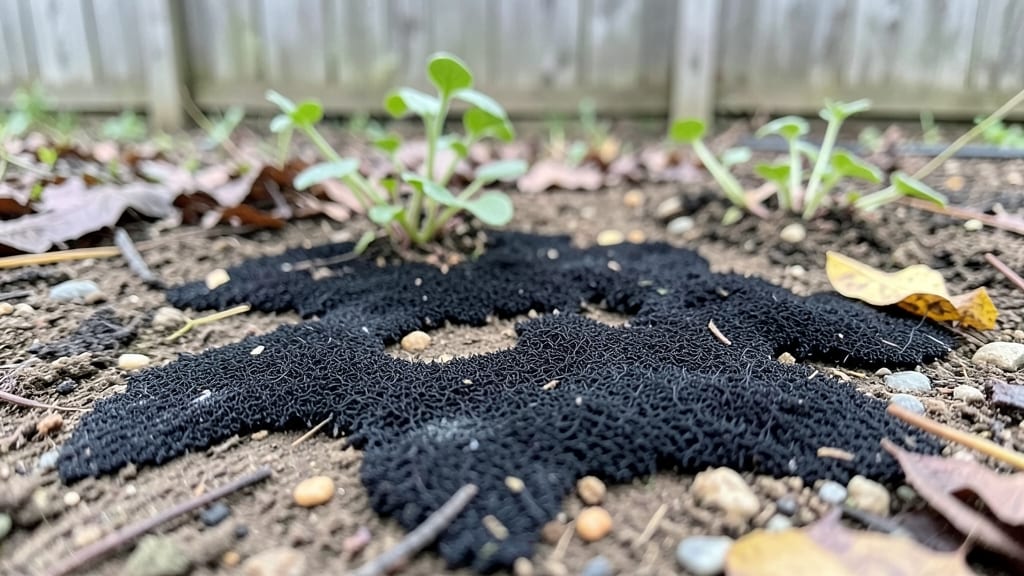
Black mold in your garden isn't just ugly—it's a silent killer of leaves, flowers, and even entire plants.
I've seen it turn vibrant tomato foliage into a sad, slimy mess, and I'm here to show you how to banish it without harsh chemicals that could hurt your plants or your family.
The key is acting fast, identifying the real problem, and using targeted solutions that work with nature, not against it.
Most gardeners assume black mold is just a humidity problem, but it's usually a mix of poor airflow, overwatering, and too much shade. I learned the hard way when my cucumber vines developed that telltale black fuzz—turns out, my "helpful" mulch was trapping moisture like a plastic tarp.
The good news? Once you spot the warning signs—dark spots on leaves, stems, or soil—you can often fix it before it spreads. We're talking simple fixes like pruning for better airflow or swapping out soggy mulch for something breathable.
By the end of this, you'll know exactly how to rescue your plants without resorting to toxic sprays. We'll tackle the root causes—literally—and use organic treatments that actually work, like neem oil or baking soda sprays, which I've tested on everything from roses to peppers.
You'll see those leaves perking up again, free of that nasty mold, and your garden will look as healthy as it feels to tend.
This works for container gardens, raised beds, and in-ground plots alike, so no matter how your plants are growing, you'll have a plan. Let's get that garden back to thriving—naturally.
The Hidden Triggers Behind Fungal Growth
Black mold in your garden isn’t just an eyesore—it’s a sign that your outdoor space is providing the perfect conditions for Stachybotrys chartarum (the scientific name for black mold) and other harmful fungi to thrive.
Understanding the root causes is the first step to stopping it naturally. Let’s break down the key factors that turn your garden into a fungal hotspot.
Black mold loves water. Whether from overwatering, poor drainage, or prolonged dampness, excess moisture creates the ideal breeding ground. Here’s how it happens:
- Overwatering: Plants need hydration, but soggy soil (especially for 24+ hours) suffocates roots and encourages mold spores to germinate. Pro tip: Water deeply but infrequently—aim for 1–1.5 inches per week, depending on your climate.
- Poor Drainage: Compacted soil, clay-heavy gardens, or sloped areas where water pools trap moisture. Test drainage by digging a hole, filling it with water, and timing how long it takes to drain—ideal is under 6 hours.
- Humidity & Rain: High humidity (above 60%) or frequent rain without airflow keeps surfaces wet. Mulch can help, but if it’s too thick (over 3–4 inches), it traps moisture instead of wicking it away.
💡 Fix it: Improve soil aeration with compost or perlite, use raised beds for clay soil, and water in the early morning to allow foliage to dry by evening.
Leaves, dead plants, and fallen branches aren’t just eyesores—they’re nutrient-rich snacks for mold. When organic matter decomposes in damp conditions, it releases sugars and cellulose that mold feasts on.
- Leaf Litter: Wet leaves smother soil and create a dark, moist layer where spores land and multiply. A single pile can spread mold spores across your garden.
- Decaying Wood or Mulch: Old wood chips or straw mulch break down into mold-friendly microclimates. Warning: Cedar or cypress mulch resists mold, but most organic mulches eventually become food for fungi.
- Plant Waste: Pruned branches or uprooted weeds left in piles become mold incubators. Even compost piles can overheat and turn into mold factories if not turned regularly.
🔥 Solve it: Clear debris monthly, compost hot (with 3:1 carbon-to-nitrogen ratio), and replace old mulch with fresh, dry options like pine straw or shredded bark.
Stagnant air = mold’s best friend. Without airflow, moisture lingers, and spores can’t escape to dry out. Here’s how it happens in gardens:
- Overcrowded Plants: Dense foliage traps humidity. Tall plants like sunflowers or bamboo cast shade that prevents evaporation.
- Tight Spaces: Gardens with no pathways or barriers (like fences or trellises) create pockets of still air.
- Shady Areas: Low light = slower evaporation. Mold thrives in the underside of leaves where sunlight never reaches.
✨ Boost airflow: Prune plants to open the canopy, space them 18–24 inches apart, and add a small fan (on low) near affected areas. Bonus: Wind-chimes or tall grasses can subtly improve circulation!
Mold isn’t picky about warmth, but cool, damp conditions (50–80°F) are its sweet spot. Rapid temperature changes—like warm days followed by cold nights—create condensation, which fuels growth.
- Greenhouse Effect: Plastic covers or glass cloche traps heat and moisture, mimicking a tropical spa for mold.
- Night Dew: Cool evenings cause water vapor to condense on leaves, creating a thin film of moisture where spores land.
- Seasonal Transitions: Spring and fall are peak mold seasons because temperatures fluctuate, keeping humidity high.
🌡️ Control the climate: Use breathable fabric row covers instead of plastic, and avoid watering at dusk. Pro tip: A hygrometer (under $15) helps track humidity—keep it below 50%.
By tackling these four culprits—moisture, debris, stagnant air, and temperature swings—you’ll starve black mold of its favorite conditions. The key? Prevention is easier than cleanup. Next, we’ll cover how to identify mold hotspots before they spread.
Eliminate & Prevent Fungal Foes
Black mold in your garden isn’t just unsightly—it can weaken plants, spread rapidly, and even threaten your soil’s health. The good news? With the right approach, you can banish it naturally while keeping your garden thriving.
Below, we’ve mapped out targeted solutions based on the most common causes, along with preventive steps to stop it from returning.
Problem: Too much moisture (from overwatering, compacted soil, or poor drainage) creates the perfect breeding ground for mold.
How to Fix It: ✅ 💧 Adjust Your Watering Routine
- Water deeply but less frequently—aim for 1–1.5 inches per week (including rain).
- Use a moisture meter or the "finger test" (stick your finger 1–2 inches into the soil; if it’s damp, wait before watering).
- Water in the morning to allow foliage to dry before evening humidity spikes.
✅ 🌱 Improve Soil Drainage
- Amend heavy clay soil with compost, perlite, or coarse sand to loosen it.
- Plant in raised beds or containers if your garden has poor drainage.
- Avoid mulching too thickly (keep it 2–3 inches deep) to prevent suffocation.
✅ 🚿 Redirect Water Flow
- Fix leaky hoses, broken sprinklers, or sloped beds that pool water.
- Install French drains or swales in low-lying areas to divert excess water.
💡 Prevention Tip: > "Drip irrigation is your best friend—it delivers water directly to roots, reducing leaf wetness (a mold magnet!)." 🌿
Problem: Low sunlight and high humidity (from dense foliage, poor airflow, or lack of ventilation) encourage mold spores to thrive.
How to Fix It: ✅ ✂️ Prune for Better Airflow
- Thin out overcrowded plants to allow sunlight and air to circulate.
- Remove dead or dying leaves—they trap moisture and spores.
✅ 🌞 Increase Sunlight Exposure
- Rotate plants seasonally to ensure all areas get sunlight.
- Trim nearby trees/shrubs blocking light (but don’t overdo it—some shade is good!).
- Consider reflective mulch (like white gravel) to bounce light into shaded spots.
✅ 🌬️ Boost Ventilation
- Use a fan on low speed near affected areas (especially in greenhouses or containers).
- Space plants 12–18 inches apart to prevent humidity buildup.
💡 Prevention Tip: > "Mold loves hiding in tight spots—keep your garden tools, pots, and stored plants in a dry, well-ventilated area." 🛠️
Problem: Once mold takes hold, you’ll need direct action to save your plants and sterilize the soil.
How to Fix It: ✅ 🧴 Apply Natural Fungicides
- Baking soda spray (1 tsp baking soda + 1 quart water + few drops of soap) – spray on leaves every 7–10 days.
- Neem oil (1 tbsp neem oil + 1 quart water + spray oil) – prevents spore growth and deters pests.
- Hydrogen peroxide (3%) – mix 1 part peroxide to 4 parts water, spray on soil and leaves (test on a small area first).
✅ 🌿 Remove & Replace Severely Infected Plants
- Dig up and discard plants with black, mushy stems or extensive mold (don’t compost them!).
- Sterilize tools with rubbing alcohol between cuts to prevent spread.
✅ 🔪 Revitalize the Soil
- Solarize the soil (cover with clear plastic for 4–6 weeks in hot sun to kill spores).
- Add beneficial microbes like mycorrhizal fungi or compost tea to outcompete mold.
- Avoid synthetic fertilizers—they can weaken plants, making them more susceptible.
⏰ Time-Sensitive Tip: > "Act fast! If mold covers more than 25% of a plant, it’s often easier (and healthier) to replace it rather than try to save it." ⏳
Problem: Mold thrives in acidic or nutrient-poor soil where beneficial microbes struggle.
How to Fix It: ✅ 📊 Test & Balance Soil pH
- Aim for a pH of 6.0–7.0 (most garden plants prefer slightly acidic to neutral).
- Add lime (to raise pH) or sulfur (to lower pH) based on test results.
✅ 🥗 Feed the Good Guys
- Compost (well-aged) adds beneficial bacteria that outcompete mold.
- Worm castings boost immune-boosting nutrients like nitrogen and phosphorus.
- Chicken manure (composted) provides potassium, which strengthens plant cell walls.
🎯 Long-Term Prevention: > "Healthy soil = healthy plants. Rotate crops yearly and avoid planting the same family (like tomatoes or peppers) in the same spot—this breaks mold’s life cycle." 🌱
Once you’ve treated the problem, prevention is key to keeping your garden mold-free:
- 🌿 Choose resistant plants (e.g., rosemary, thyme, lavender, and marigolds naturally repel mold).
- 🍂 Clean up debris (fallen leaves, old mulch) weekly—mold loves hiding in organic matter.
- 🌧️ After rain, check for standing water and reposition pots if needed.
- 🧼 Sterilize tools and containers with bleach solution (1:10 ratio) or boiling water before reuse.
By tackling the root causes (literally!) and staying proactive, you’ll keep your garden lush, mold-free, and full of life—without harsh chemicals. 🌟
Frequently asked questions
What does garden black mold look like on plants?
Black mold in gardens typically appears as velvety black or dark brown spots on leaves, stems, or soil. It often starts as small specks that grow into fuzzy patches, especially on the undersides of leaves or in shaded areas. Unlike mildew, which is powdery, black mold feels slimy or sticky when touched.
Is black mold in my garden dangerous to handle?
Most garden black mold (like Alternaria or Stemphylium) is plant-specific and poses minimal risk to humans. However, Stachybotrys chartarum (toxic black mold) can cause respiratory issues if inhaled in large quantities. Always wear gloves and a mask when removing heavily infected plants, and avoid disturbing moldy soil or compost piles.
Can I still use my compost if black mold appears?
Only if the mold is surface-level and your compost pile is hot (140°F+). If you see black mold deep within or the pile smells sour, discard it—moldy compost spreads spores and harms plants. For future piles, turn them regularly and maintain a 3:1 carbon-to-nitrogen ratio to prevent mold growth.
How long does it take for natural treatments to work?
Natural fungicides like neem oil or baking soda sprays start working within 3–5 days of application, but you’ll need 2–3 treatments spaced 7–10 days apart for full results. For severe cases, combine treatments with pruning and airflow improvements—visible progress usually appears in 2–3 weeks.
Will black mold kill my plants if I ignore it?
Yes, if left untreated, black mold can weaken plants, stunt growth, and even kill them by blocking sunlight or clogging stomata. Some plants (like tomatoes or cucumbers) are more vulnerable, while others (like lavender or rosemary) may recover better. Act fast—remove infected leaves and apply fungicides to prevent spread.