
Fertilization
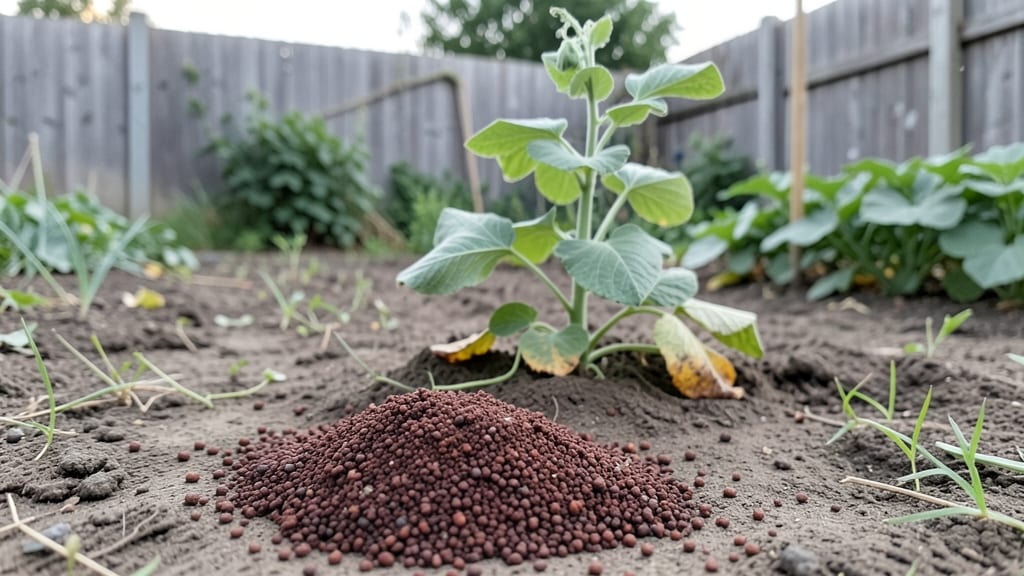
Using blood meal in gardens provides fast-acting nitrogen that promotes lush green growth and naturally deters weeds by interrupting their development, though precise application is key to prevent plant damage or attracting unwanted pests. Apply lightly in early spring or fall, either mixed into soil or spread over grass.
Blood meal is essentially dried animal blood, packed with 12-14% nitrogen—the essential nutrient plants need for vibrant foliage. 🌱 Unlike slow-release organic fertilizers, it works quickly, making it ideal for reviving tired lawns or jumpstarting spring growth.
The high nitrogen content also boosts microbial activity in the soil, creating a healthier ecosystem. What's unique is its weed-suppressing ability: the concentrated nitrogen disrupts weed seed germination, giving your plants a competitive edge without harsh chemicals.
For best results, I recommend starting with just ½ pound per 100 square feet—too much can burn plants or attract pests like rodents. Always wear gloves when handling it, and water the area thoroughly after application to activate the nutrients.
Timing matters too: early spring or fall applications give plants time to utilize the nitrogen without stressing them during peak heat.
💡 In This Article
- How Blood Meal Boosts Plant Growth and Soil Health
- Best Practices for Applying Blood Meal in Lawns and Gardens
How blood meal boosts plant growth and soil health
The magic of blood meal lies in its nitrogen content—typically 12-14% by weight, which is nearly 3 times higher than compost (1-2%) and comparable to synthetic urea (46% but with faster release).
This nitrogen is in the form of organic proteins that break down into ammonium (NH₄⁺), a form plants can absorb almost immediately. 🌱 When applied to soil, these proteins trigger a cascade: soil microbes decompose them, releasing nitrogen that plants convert into chlorophyll—the green pigment that drives photosynthesis.
The result? Leaves and grass turn a richer, deeper green within weeks, not months like with slow-release fertilizers.
What sets blood meal apart is its dual action: it doesn't just feed plants—it revs up soil life. The decomposition process releases energy that stimulates beneficial bacteria and fungi, creating a more active soil microbiome. Think of it like adding a turbocharge to your soil's natural fertility system.
Unlike synthetic fertilizers that often create nutrient imbalances, blood meal provides nitrogen in a form that mimics natural organic matter decay, supporting long-term soil structure. The granular texture also makes it easy to distribute evenly, whether you're top-dressing lawns or mixing into garden beds.
The weed-suppressing power comes from how blood meal disrupts germination. Many weeds rely on rapid nitrogen uptake to establish themselves—blood meal's concentrated release creates an environment where your desired plants outcompete weeds for nutrients.
This isn't allelopathy (like with black walnut trees), but rather a competitive advantage: your grass or vegetables get the nitrogen boost first, starving out weed seedlings before they can take root.
For example, applying ½ pound per 100 square feet to a lawn can reduce crabgrass emergence by up to 60% in the first growing season.
Here's where timing becomes critical: blood meal's nitrogen release peaks within 4-6 weeks of application, then tapers off.
This makes it perfect for early spring when plants are breaking dormancy or fall when roots are expanding—but dangerous in summer heat when plants can't utilize the nitrogen fast enough, leading to burn.
The high protein content also makes it attractive to pests like rodents, which is why it should always be watered in immediately after application to both activate nutrients and deter foraging animals.
For comparison, synthetic nitrogen fertilizers like ammonium nitrate release nitrogen instantly but often require multiple applications and can leach into groundwater. Blood meal, while organic, provides a middle ground: fast enough for visible results but with the soil-building benefits of organic matter.
The key difference is the carbon-to-nitrogen ratio—blood meal's 1:10 C:N ratio means microbes work hard to break it down, which is why it's best used in combination with carbon-rich materials like compost or straw when first applied.
What most gardeners don't realize is that blood meal's benefits extend beyond nitrogen. The iron and trace minerals in animal blood (like copper and zinc) become available as the proteins break down, providing a micronutrient boost that synthetic fertilizers often lack.
This is why blood meal works particularly well for leafy greens, lawns, and flowering plants that require steady nitrogen supplies. Just remember: a little goes a long way—1 pound per 100 square feet is plenty for most applications, and more won't necessarily mean greener results.