Pests
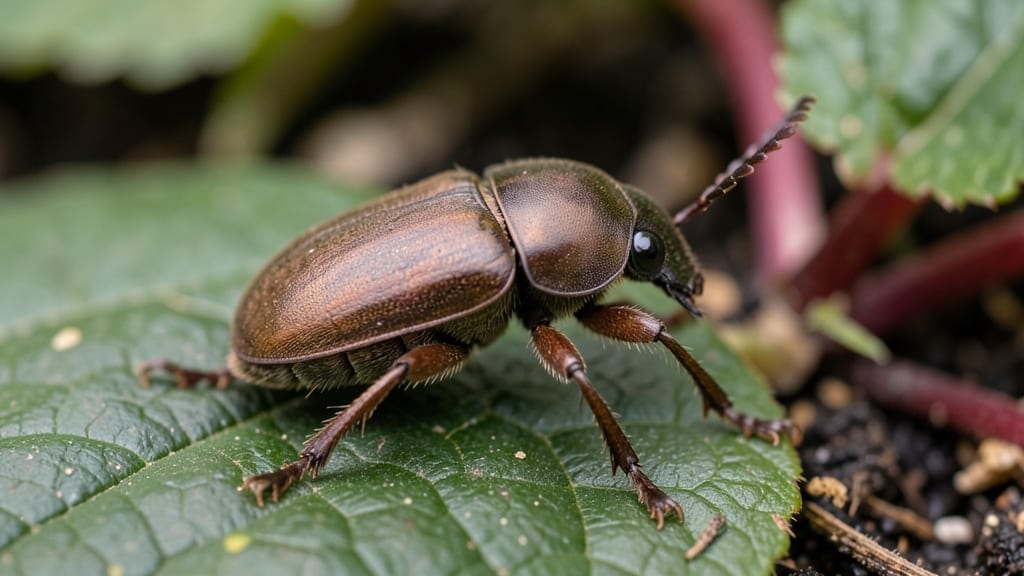
Those shiny brown beetles chewing your roses and peonies? 🌿 I’ve battled garden chafers and rose chafers for years, and I’ll show you how to stop them without harsh sprays.
The key is understanding their lifecycle—larvae munch on roots while adults skeletonize leaves—and hitting them at the right time with organic traps and barriers.
Most gardeners make the mistake of waiting until the damage is obvious. By then, the beetles have already laid eggs in your soil. Instead, I use simple traps like rolled-up newspaper soaked in beer (yes, really) or sticky barriers wrapped around stems.
These methods work because they disrupt their feeding patterns without harming beneficial insects.
Within a week of setting up traps, you’ll see fewer beetles on your plants, and new growth will stay intact. The best part? No chemicals mean your garden stays safe for pollinators and kids. Plus, you’ll save money by reusing materials like cardboard or old fabric for DIY barriers.
This approach works year-round, but peak season is late spring through summer when beetles are most active. If you’re in a humid climate, you might need to refresh traps weekly. Let’s get your garden back to thriving without the chewed-up leaves!
Root Causes Of Beetle Infestations
Understanding why these large, brown garden invaders show up in your yard—or worse, your home—starts with recognizing their motivations. These beetles aren’t just random visitors; they’re drawn by specific conditions that make your property an all-you-can-eat buffet.
Below, we break down the science-backed reasons behind their unwelcome appearances, so you can address the root of the problem.
The brown garden beetle’s life cycle is deeply tied to decomposition. Adult beetles are attracted to rotting wood, fallen leaves, compost piles, and overripe fruits or vegetables in your garden. Here’s why:
- Nutrient-rich food source: Decaying organic matter is packed with proteins and sugars, which are essential for their survival and reproduction. A single compost heap or a pile of old mulch can become a breeding ground.
- Moisture retention: Damp conditions—common in compost or under dense leaf litter—create the perfect environment for beetle larvae to develop. Adults seek out these same spots to lay eggs.
- Disguised safety: Beetles blend into decaying material, making them harder for predators (like birds or frogs) to spot. This gives them a competitive edge in your garden.
Actionable fix: Regularly turn your compost pile to speed up decomposition and reduce moisture buildup. Remove fallen fruit from trees promptly, and clear away leaf litter from garden beds. If you have old stumps or logs, consider chipping or removing them to eliminate hiding spots.
If your home or yard is illuminated after dark, you might be accidentally luring these beetles in. Here’s the science:
- Light confusion: Beetles are naturally drawn to light sources, a behavior called positive phototaxis. Artificial lights—especially warm-toned bulbs—mimic moonlight or fireflies, tricking them into flying toward your property.
- Predator avoidance: Some research suggests beetles use light to navigate away from predators. Unfortunately, your porch light sends them in the wrong direction.
- Accumulation effect: Once a few beetles are attracted, they release pheromones that signal others to follow, creating a swarm.
Actionable fix: Switch to yellow or red LED bulbs, which are less attractive to beetles. Use motion-sensor lights or timers to limit nighttime illumination. If possible, position lights away from garden edges or entry points.
Brown garden beetles don’t just stay outside—they seek shelter indoors during cooler months or to escape predators. Your home might be inviting them in with:
- Gaps and cracks: Beetles can squeeze through tiny openings (as small as 1/8 inch) in siding, window screens, or foundation gaps. Their exoskeletons are flexible enough to navigate these spaces.
- Moisture damage: Water leaks or high humidity near entry points (like basements or crawl spaces) create ideal conditions for beetles to nest. They’re particularly drawn to damp wood.
- Attic or garage clutter: Stored firewood, cardboard boxes, or old fabric piles provide perfect hiding spots. Beetles will chew through natural fibers to create nesting chambers.
Actionable fix: Seal cracks with caulk or weatherstripping, especially around doors, windows, and utility lines. Store firewood at least 20 feet away from your home and elevate it off the ground. Use dehumidifiers in basements or crawl spaces to reduce moisture.
A garden teeming with beetles often signals an ecological imbalance. Here’s how human activity can disrupt nature’s checks and balances:
- Lack of natural predators: Beetles are preyed upon by birds, toads, spiders, and ground beetles. If your yard lacks diverse plant life (which attracts these predators), beetle populations can explode.
- Monoculture planting: Gardens with single-species plants (like a massive vegetable patch) offer beetles a steady food source without interruption. Diverse gardens confuse their feeding patterns.
- Overuse of pesticides: While you might think pesticides solve the problem, they can kill off beetle predators first, leaving the survivors to reproduce unchecked. Plus, some beetles develop resistance over time.
Actionable fix: Introduce native plants that attract beneficial insects, like marigolds (which repel beetles) or dill (which draws predatory wasps). Install birdhouses or bat boxes to encourage natural pest control. Avoid broad-spectrum pesticides and opt for targeted organic solutions instead.
By tackling these root causes, you’re not just treating the symptoms—you’re disrupting the beetles’ life cycle and making your property less appealing. The key is proactive prevention paired with organic, long-term solutions. Stay tuned for our next section on humane traps and repellents that work without chemicals!
Quick Fixes for Garden Invaders
When those shiny, brown beetles start munching on your prized plants, it’s time to act fast—but without harsh chemicals. The good news? Organic solutions are simple, effective, and safe for your garden ecosystem.
Below, we’ve mapped out practical fixes based on the root causes (like overcrowded plants, standing water, or late-night snacking pests) and paired them with prevention tips to keep your garden beetle-free long-term.
Cause: Beetles target stressed, weak, or overcrowded plants because they’re easier to feed on. Solution:
- 🔥 Prune & Space Plants – Thin out dense foliage to improve airflow and reduce hiding spots. Aim for 12–18 inches of space between plants (depending on the species).
- 🍳 Strengthen Plants Naturally – Feed them with compost tea or a balanced organic fertilizer (like fish emulsion) to boost their resilience.
- 👨🍳 Rotate Crops – Avoid planting the same family (e.g., tomatoes, peppers) in the same spot yearly. Beetles remember favorite buffets!
💡 Prevention Tip: Interplant with strong-scented herbs like basil, mint, or rosemary—beetles dislike the aroma!
Cause: Damp soil and stagnant water attract beetles, especially after rain or irrigation. Solution:
- ⏰ Improve Drainage – Raise garden beds slightly or add gravel/sand layers to prevent waterlogging.
- 🌡️ Water Early in the Day – Wet soil dries faster, reducing beetle-friendly moisture. Aim for morning watering (6–9 AM).
- 🎯 Drainage Fixes – If your yard has low spots, create slight slopes or install French drains to redirect water.
💡 Prevention Tip: Use drip irrigation instead of overhead sprinklers—it keeps foliage dry and beetles away!
Cause: Many beetles are nocturnal and hide during the day, making them hard to spot. Solution:
- 🔪 DIY Beer Traps – Bury a shallow container filled with beer or yeast water (beetles are attracted to fermentation smells). Check and refresh every 2–3 days.
- 🍎 Use Yellow Sticky Traps – Place them near plants at dusk to catch flying adults before they lay eggs.
- ✨ Motion-Activated Lights – Some beetles avoid bright lights. A solar-powered motion light near the garden can deter them.
💡 Prevention Tip: Handpick beetles at dusk when they’re most active—drop them in soapy water for instant disposal!
Cause: If beetles have already infested your plants, you’ll need a fast-acting (but safe) repellent. Solution:
- 🥘 Neem Oil Spray – Mix 1 tbsp neem oil + 1 tsp mild soap + 1 quart water. Spray directly on beetles and foliage at dusk (avoid spraying flowers if bees are active).
- 🌶️ Cayenne Pepper Spray – Blend 1 tbsp cayenne pepper + 1 quart water, strain, and spray on plants. Reapply after rain.
- 🍋 Vinegar & Water Mix – For soil-dwelling larvae, spray a 1:1 vinegar-water solution around the base of plants (avoid direct foliage spray).
⚠️ Caution: Always test sprays on a small plant area first to check for sensitivity!
To keep your garden beetle-free, combine these habits for maximum protection: - 🌱 Mulch with cedar or citrus peels – Beetles dislike these strong scents. - 🕷️ Encourage natural predators – Ladybugs, ground beetles, and birds eat brown garden beetles.
Plant dill, fennel, or marigolds to attract them. - 🗓️ Monitor & Act Early – Check plants weekly at dusk for signs of beetles or eggs (tiny orange clusters under leaves). - 🚫 Avoid Nighttime Watering – Wet leaves at night invite beetles for a late-night feast.
Final Thought: With these targeted fixes, you can eliminate existing beetles and prevent future invasions—all while keeping your garden chemical-free and thriving! 🌿💪
Frequently asked questions about brown garden beetles
What do brown garden beetles look like?
These beetles are typically ½ to ¾ inch long with shiny, oval-shaped bodies. They range from golden-brown to deep copper in color, and their legs and antennae are often lighter. Look for their distinctive six segmented antennae and smooth, rounded wings that fold flat over their backs when at rest.
Are brown garden beetles harmful to my garden?
Yes, they can cause significant damage! Adults chew irregular holes in leaves (called "skeletonizing"), while larvae feed on roots and organic matter. Heavy infestations can weaken plants, reduce yields, and even kill young seedlings. The good news is they're not toxic - just persistent!
How do I know if I have brown garden beetles vs. Japanese beetles?
Brown garden beetles (like garden chafers) have smooth, rounded bodies and no metallic sheen, while Japanese beetles are green with copper wings and have white tufts on their sides. Check their size too - brown garden beetles are usually smaller (½ inch) than Japanese beetles (⅜ inch).
Can brown garden beetles fly into my house?
Yes, they're strong fliers and often seek shelter indoors during cool weather or to escape predators. You'll commonly find them in kitchens, bathrooms, and basements near windows or doors. Seal gaps around screens, doors, and foundation cracks with caulk or weatherstripping to prevent entry.
How long do brown garden beetles live?
Adults typically live 30-60 days during the warm season, while larvae can survive 6-12 months underground. Their short adult lifespan means quick action is key - focus on eliminating larvae in soil to break their life cycle. The best prevention is consistent monitoring and organic treatments.