Tools
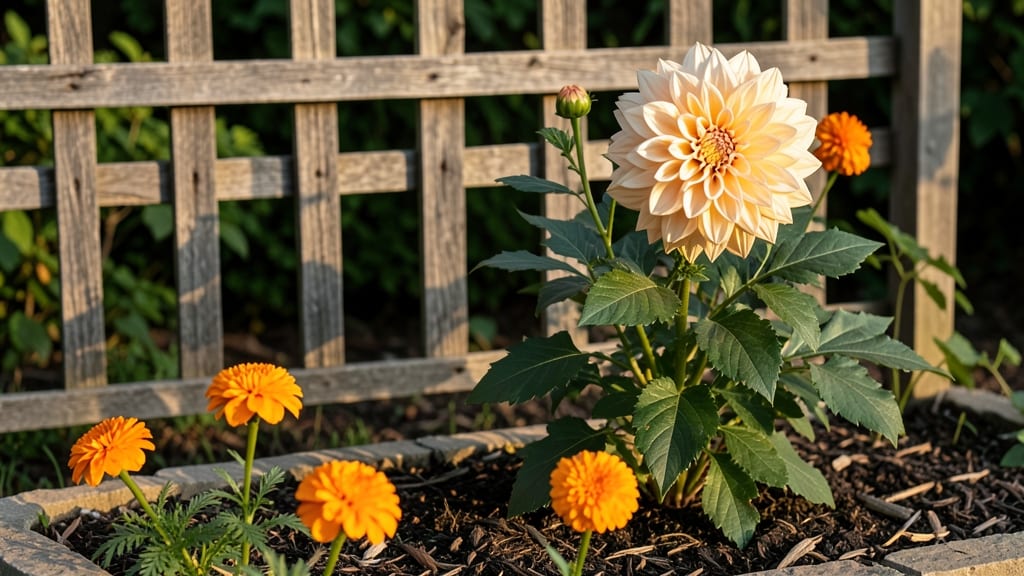
Late summer gardens demand a different approach—one that balances harvesting what you’ve grown with preparing for what’s next. 🌿 I’ve learned the hard way that ignoring this season’s unique challenges means wasted crops and missed opportunities, but with the right tactics, you can turn August into your most productive month yet.
The key lies in three focused tasks: harvesting heat-tolerant crops before they bolt, protecting soil from drying winds, and introducing fast-growing fall plants that thrive in cooler temperatures.
Most gardeners overlook these steps, but they’re what separate a good harvest from a great one—especially in small spaces where every square foot counts.
By the end of August, you’ll have cleared out spent plants, enriched the soil for autumn, and planted cold-hardy greens that will keep producing well into winter. The payoff isn’t just more food—it’s a garden that works harder for you, even as days grow shorter.
This approach works for containers, raised beds, and in-ground plots alike, making it perfect for urban gardeners, balcony growers, or anyone short on space. Let’s make the most of these last warm weeks before the season shifts.
📚 In This Guide
- What you need
- Instructions
- Tips and common mistakes
- Wrapping up and next steps
What you need
- ● Containers: 3–5 5–10 gallon fabric grow bags or self-watering pots (with drainage holes) 🌿
- ● Potting Mix: 1–2 bags of lightweight, organic potting soil (e.g., Miracle-Gro or FoxFarm Ocean Forest) 🏺
- ● Seeds/Seedlings: 1 pack bush beans (e.g., Blue Lake or Scarlet Runner) 🌱
- ● 1 pack cherry tomatoes (e.g., ‘Sweet 100’ or ‘Sun Gold’) 🍅
- ● 1 pack basil (Genovese or Thai) 🌿
- ● 1 pack radishes (e.g., ‘Cherry Belle’ for quick harvests) 🥕
- ● Fertilizer: 1 bottle balanced liquid fertilizer (e.g., 10-10-10 or fish emulsion) 💧
- ● Watering Can: 1 1-gallon with a rose nozzle (or a hose with adjustable spray) 💦
- ● Pruning Shears: 1 pair bypass pruners (for harvesting and shaping) ✂️
- ● Garden Gloves: 1 pair nitrile-coated (for durability) 🧤
- ● Support Structures: 2–3 tomato cages (4–6 ft tall) or bamboo stakes 🌿
- ● 1 roll twine or Velcro plant ties (for securing vines) 🎀
- ● Mulch: 1 bag straw or shredded leaves (to retain moisture and suppress weeds) 🌾
- ● Compost: 1 small bag worm castings (for nutrient boost) 🐛
- ● Shade Cloth: 1 roll 30–50% shade fabric (to protect from late-summer sun) ☀️
- ● Garden Journal: 1 notebook + pen (to track planting dates and harvests) ✍️
- ● Decorative Accents: Mini trellis or wall-mounted planters (for vertical gardening) 🏗️
- ● Solar-powered garden lights (for ambiance and pest deterrence) 💡
How to maximize your late summer garden in small spaces
Late summer is your last chance to squeeze in a bountiful harvest—here’s how to make every square foot count.
🌱 Step 1: Clear and Prep Existing Space
Start by removing any spent plants or weeds from your containers or garden beds. Use your pruning shears to trim back overgrown foliage, leaving only the healthiest stems. This opens up space for new plants and prevents pests from hiding in dead leaves. I like to compost anything that looks diseased—don’t risk spreading it to your fresh additions.
Loosen the top 2 inches of soil with your hand trowel or fork to aerate it. If your soil feels compacted or hard, mix in a handful of compost to restore nutrients. The goal is fluffy, workable soil that roots can easily push through. Late summer heat can dry soil quickly, so keep a spray bottle handy to mist as you work.
🌿 Step 2: Choose Fast-Growing, Heat-Tolerant Crops
For a late summer harvest, focus on crops that mature quickly and thrive in warm weather. Radishes, bush beans, and leaf lettuce are my go-tos—they’ll give you edible greens in as little as 3-4 weeks. If you’re working with containers, plant one or two of these per 6-inch pot to avoid overcrowding.
Check seed packets for "days to maturity" to plan your timeline. I always plant radishes first—they’re ready in 21-30 days, so I can harvest them before cooler fall temps arrive. Avoid planting anything that needs a long growing season, like tomatoes or peppers, unless you’re using a greenhouse or cold frame.
💧 Step 3: Water Deeply and Mulch to Retain Moisture
Late summer heat means your plants will need consistent moisture. Water deeply—about 1 inch per week—right at the base of the plants to encourage strong root growth. Use your watering can with the rose attachment to avoid disturbing the soil. I water in the early morning so the foliage has time to dry before evening, reducing the risk of fungal diseases.
Spread a 1-inch layer of mulch around your plants to lock in moisture and keep roots cool. Straw or shredded leaves work well, but avoid piling mulch directly against plant stems. This step is especially critical if you’re growing in containers, where soil dries out faster. Check the soil daily—if the top ½ inch feels dry, it’s time to water again.
☀️ Step 4: Provide Shade and Protect From Pests
If your space gets intense afternoon sun, set up a shade cloth or move containers to a spot with partial shade. Too much direct heat can stress plants and slow growth. I’ve found that a 30-50% shade cloth works perfectly for late summer—it filters light while still allowing enough for photosynthesis.
Keep an eye out for pests like aphids or cabbage worms, which love tender new growth. I spray plants with a mix of 1 tablespoon mild dish soap per gallon of water to deter them naturally. A quick inspection every few days catches problems early before they spread. If you spot chewed leaves, isolate the affected plant and treat it immediately.
⏰ Step 5: Harvest Regularly to Encourage More Growth
Start harvesting as soon as your crops reach maturity—this encourages the plant to produce more. For leaf lettuce, snip the outer leaves when they’re 3-4 inches tall, leaving the inner leaves to keep growing. With radishes, pull them when they’re about ½ to 1 inch in diameter; leaving them longer makes them woody and tough.
Harvesting frequently also prevents bolting, where plants send up flowers and seeds too quickly. I like to do this in the morning when temps are cooler and the plants are crisp. Store harvested greens in a plastic bag in the fridge, and you’ll have fresh salads for days. If your plants start looking sparse, it’s time to replant with a new round of fast-growing seeds.
Tips & tricks for maximizing your late summer garden
Late summer gardens need a little extra love to thrive—here's how to turn those small spaces into a productive harvest oasis.
Soil Prep Secret: In Step 1, when loosening the top 2 inches of soil, I like to add a sprinkle of egg shells (crushed) to the compost mix. The calcium helps prevent blossom end rot in tomatoes if you're growing them in containers, and it adds long-term nutrients. Just make sure to bake and crush the shells first to kill any bacteria. This small addition makes a surprisingly big difference in soil structure and plant health.
Crop Rotation Strategy: Since you're working with compact spaces, rotate your crops every 3-4 weeks to maximize yield. After harvesting radishes (which mature in 21-30 days), replant the same space with bush beans—they'll climb and produce while the radish roots decompose, adding nutrients back to the soil. This keeps your small garden productive without needing extra space.
Watering Hack: For Step 3's 1-inch weekly watering guideline, I've found that using a drip irrigation system or soaker hose is far more efficient than watering cans. These systems deliver water directly to the roots where it's needed most, reducing evaporation and keeping foliage dry—which is especially important in late summer when fungal diseases thrive. Set it up in the morning for best results.
Pest Prevention Pro Tip: In Step 4, when dealing with pests, I add a layer of diatomaceous earth around the base of plants after spraying with the dish soap solution. This natural powder kills soft-bodied insects like aphids by dehydrating them, and it's completely safe for your plants once settled. Just reapply after watering. It's like an invisible shield for your garden!
Pro Tips for Late Summer Garden
- Late summer gardens need a little extra love to thrive—here's how to turn those small spaces into a productive harves...
- Soil Prep Secret: In Step 1, when loosening the top 2 inches of soil, I like to add a sprinkle of egg shells (crushed...
- Crop Rotation Strategy: Since you're working with compact spaces, rotate your crops every 3-4 weeks to maximize yield...
Frequently asked questions
Got questions about maximizing your late summer garden?
You’re not alone! Whether you’re working with limited space or just want to squeeze every last drop of flavor from your harvest, here are answers to the most common queries.
What are the best late-summer crops for small gardens?
Focus on fast-growing, space-efficient plants like bush beans, radishes, lettuce, green onions, and cherry tomatoes. These thrive in warm soil, tolerate partial shade, and produce quickly—perfect for compact containers or raised beds!
How late can I plant in late summer?
Most cool-season crops (like spinach or kale) can go in 6–8 weeks before your first frost. For warm-season holdovers (e.g., basil or peppers), plant by mid-to-late August in zones 5–8. Check your local frost date—it’s your best guide!
Why are my late-summer plants wilting despite watering?
Heat stress is likely! Water deeply in the morning (1–2 inches per week) and mulch to retain moisture. Wilting can also signal pests (like aphids) or fungal issues—inspect leaves for yellowing or sticky residue. Adjust care based on the cause!
Can I grow herbs in late summer?
Basil, cilantro, dill, and parsley all do well in late summer. For basil, pinch back flowers to extend harvest. Cilantro may bolt—try slow-bolt varieties or harvest outer leaves. Herbs thrive in pots, so they’re ideal for balconies or patios!
What tools do I need for a late-summer garden reset?
Keep it simple: pruners (for deadheading), a hand trowel (for transplanting), and organic fertilizer (to replenish soil). A moisture meter helps track watering needs, and a spray bottle is great for pest control. No fancy gear—just essentials!
Wrapping up and next steps
As the late summer garden winds down, remember that small spaces can yield big flavors—with the right techniques and a dash of creativity! Whether you're preserving heirloom tomatoes, reviving wilted herbs, or squeezing in one last harvest, your compact garden has proven its potential. 🌱
Ready to elevate your green thumb game? Start by jotting down what worked (and what didn’t) in a simple garden journal. Next season, you’ll be even more prepared to turn every square inch into a thriving, flavor-packed oasis!