
Planting
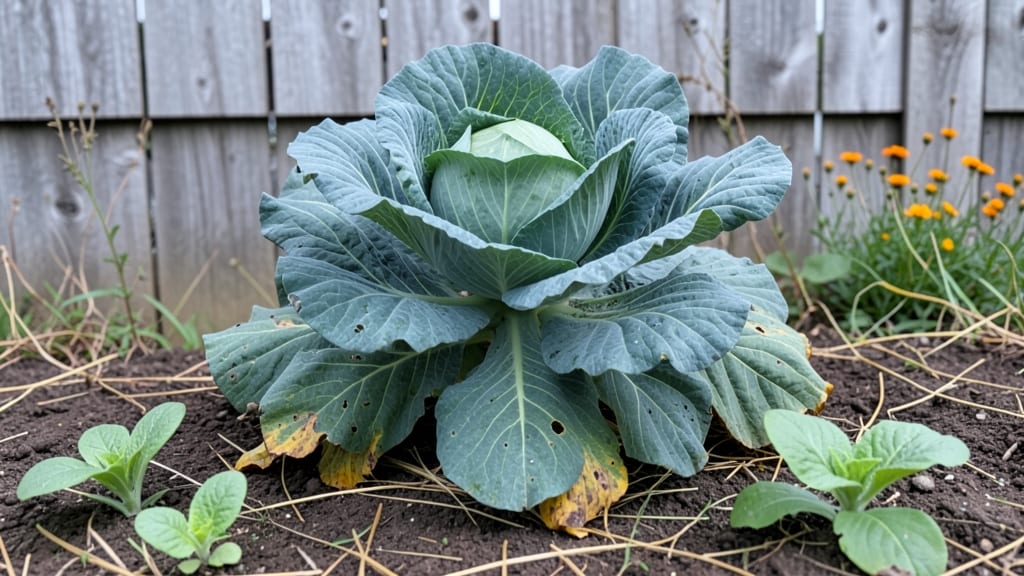
Cabbage garden spacing requires 12–18 inches between plants for smaller varieties like bok choy, 18–24 inches for medium heads, and 24–36 inches for large cabbages. Rows should be spaced 24–36 inches apart to allow airflow and prevent disease while maximizing yield.
Proper spacing isn’t just about fitting more plants—it’s about giving each cabbage the room to thrive. 🌱 When plants are too close, they compete for nutrients and sunlight, leading to stunted growth or even disease outbreaks like powdery mildew.
For instance, a red cabbage left too near its neighbors might develop uneven heads because its outer leaves can’t expand fully. I’ve found that larger varieties, like green cabbage, benefit most from the extra elbow room, while smaller types like bok choy can handle tighter quarters without sacrificing quality.
Another key factor is airflow—crowded plants trap moisture, creating the perfect conditions for fungal infections. 💫 That’s why I always prioritize 24-inch row spacing in my garden, even if it means planting fewer heads.
This simple adjustment has helped me avoid losing entire batches to rot. Plus, well-spaced cabbages make harvesting easier, so you’re not wrestling with tangled leaves when it’s time to pull them from the soil.
💡 In This Article
- How Cabbage Spacing Affects Growth and Yield
- Optimizing Cabbage Plant Layout for Small and Large Gardens
How cabbage spacing affects growth and yield
Here's what's actually happening in your cabbage patch: plants compete for three critical resources—sunlight, water, and nutrients—and spacing directly controls how fiercely that competition plays out. 🌿 When cabbages are too close, their leaves shade each other, reducing photosynthesis by up to 40% in dense clusters.
This isn't just about aesthetics; it's a biological response where plants prioritize survival over growth, diverting energy to leaf expansion rather than head development. The result? Smaller, loose heads that never reach their full potential weight, sometimes 20-30% lighter than properly spaced counterparts.
Root systems play an equally crucial role. Cabbage roots spread 12-18 inches wide and grow 12-18 inches deep as plants mature, creating underground competition zones.
When plants are crowded, roots tangle and compete for phosphate and nitrogen—key nutrients for head formation. 💫 For example, a green cabbage planted at 12 inches apart might produce a 3-pound head, while the same variety at 24 inches can reach 5-6 pounds.
The difference comes from each plant accessing its own nutrient-rich soil volume rather than fighting for scraps in a shared zone.
Airflow becomes the unsung hero of disease prevention. Cabbages are particularly vulnerable to fungal infections like downy mildew and black rot, which thrive in the humid microclimates created by crowded foliage.
Proper spacing—especially 24-36 inches between rows—creates a 30-50% reduction in disease pressure by allowing air to circulate and moisture to evaporate. I've seen red cabbage varieties develop anthocyanin-rich purple hues more intensely when properly spaced, as they're not stressed by competition.
The visual difference between crowded, pale heads and well-spaced, vibrant ones is striking.
Different cabbage types have distinct spacing needs because of their growth habits. Bok choy and napa cabbage stay compact, so 12-18 inches works perfectly—their quick growth cycle means they don't need long-term space.
Meanwhile, savoy cabbage, with its crinkled leaves, benefits from 18-24 inches to prevent leaf damage from rubbing against neighbors. The most space-hungry are large green cabbages, which can reach 18 inches in diameter at maturity—hence the 24-36 inch recommendation.
Even the seedling stage matters: starting plants 6-8 inches apart initially gives them a head start before thinning.
What most people don't realize is how spacing affects the plant's internal chemistry. Crowded cabbages produce more ethylene gas—a plant hormone that triggers premature bolting (flowering) and bitterness. This is why fall-planted cabbages often taste sweeter when properly spaced—they mature under cooler temperatures without the stress of competition.
The science here is fascinating: well-spaced plants allocate more energy to glucose storage in their heads rather than defensive compounds when threatened by neighbors. 🌱 That's why your homegrown cabbage tastes so much better than store-bought—it's not just about space, but about giving each plant the freedom to focus on what matters most.
Seasonal adjustments also play a role. Spring-planted cabbages need slightly more space (24 inches) because they grow rapidly in warm weather, while fall varieties can handle 18 inches as they mature slower.
The key is matching spacing to your climate's growing degree days—areas with longer growing seasons (like the Pacific Northwest) can plant slightly closer, while hotter regions (like the Southeast) need extra space to prevent bolting.
This is why your neighbor's cabbage spacing might look different from yours, even with the same variety!