
Diseases
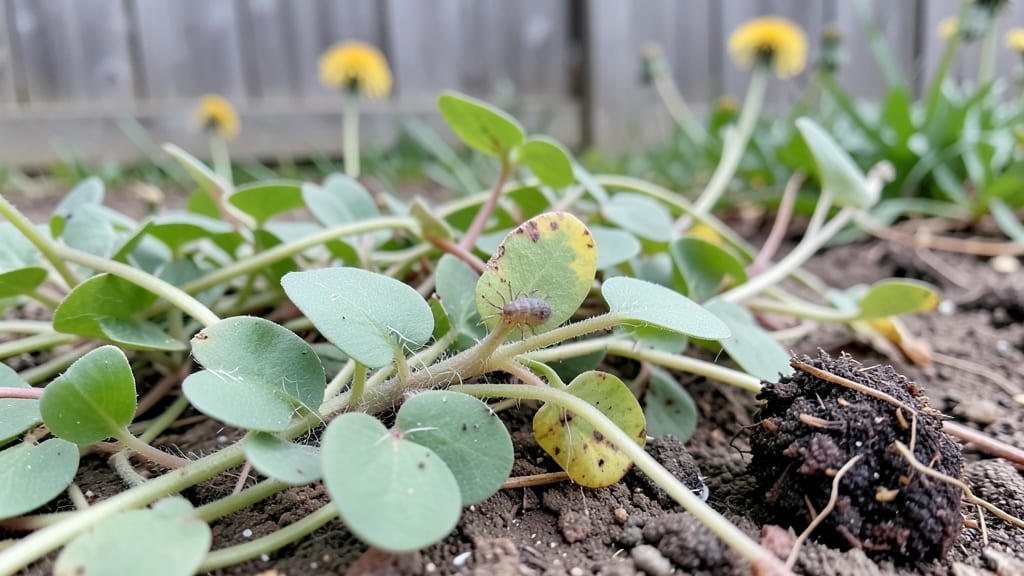
You can get scabies from gardening if contaminated soil contains human skin cells or mites from infected individuals, especially in shared tools or compost piles with infested waste. Direct skin contact with these particles can transmit sarcoptes scabiei mites.
While scabies mites don't thrive in soil like some parasites, they can linger in organic matter for days—especially in warm, humid conditions. 🌱 Shared gardening tools, like trowels or gloves, become high-risk items if they've touched infested skin flakes.
Even compost piles with human waste (like diapers or bandages) can harbor mites, creating a hidden transmission pathway. The key risk factor is prolonged skin contact with contaminated surfaces, which is why gardeners with cuts or eczema face higher exposure potential.
Most cases occur when mites burrow into skin after touching infested soil or tools, but the garden environment itself rarely hosts active infestations. Proper hygiene—like washing hands after gardening and disinfecting tools with 70% isopropyl alcohol—can drastically reduce risks.
If you notice persistent itching or rash after gardening, consult a dermatologist to rule out scabies or other skin conditions.
💡 In This Article
- How Scabies Mites Survive in Soil and Gardens
- Preventing Scabies While Gardening: Safe Practices
How scabies mites survive in soil and gardens
Here's what's actually happening in your garden soil: Sarcoptes scabiei mites can survive for 2-3 days in outdoor environments when conditions are ideal. These microscopic parasites thrive in organic-rich environments because they feed on dead skin cells and organic debris.
In compost piles or mulch, the decaying matter provides both food and moisture, creating a temporary haven where mites can remain active until they find a new host.
The key factor is humidity and temperature. Mites prefer environments with 70-80% humidity and temperatures between 68-86°F—conditions common in compost heaps or shaded garden beds. Studies show mites can survive up to 72 hours in moist soil but die quickly in dry or sunny conditions.
This is why shared gardening tools become high-risk items: they collect soil particles and skin flakes that may contain live mites or their eggs.
What most people don't realize is how animal waste factors in. Dog or livestock manure often contains mites that can cross-species, creating a bridge for human exposure. For example, a dog with scabies might scratch near garden tools, leaving infested skin cells in the soil.
When you handle those tools without gloves, you're essentially transferring microscopic hitchhikers to your skin. 🔥
Consider these high-risk garden scenarios:
- Compost piles: Human waste (like diapers or bandages) can introduce mites that survive the composting process
- Shared tools: Trowels, pruners, or gloves used by infected individuals carry skin cells containing mites
- Animal contact areas: Soil near chicken coops or dog runs where infested pets scratch
The science behind this involves the mites' burrowing behavior. When they detect human skin oils on contaminated surfaces, they become more active and aggressive in seeking entry points like cuts or moist skin areas.
This explains why gardeners with eczema or dry skin are at higher risk—their compromised skin barrier makes it easier for mites to penetrate.
Interestingly, mites don't reproduce in soil—they're just waiting for transport. The real danger comes when they hitch rides on tools or clothing back to human hosts. This is why proper tool sanitation is critical after use in potentially contaminated areas.
A quick wipe with 70% isopropyl alcohol kills mites on contact, breaking their temporary survival chain in garden environments.