
Pests
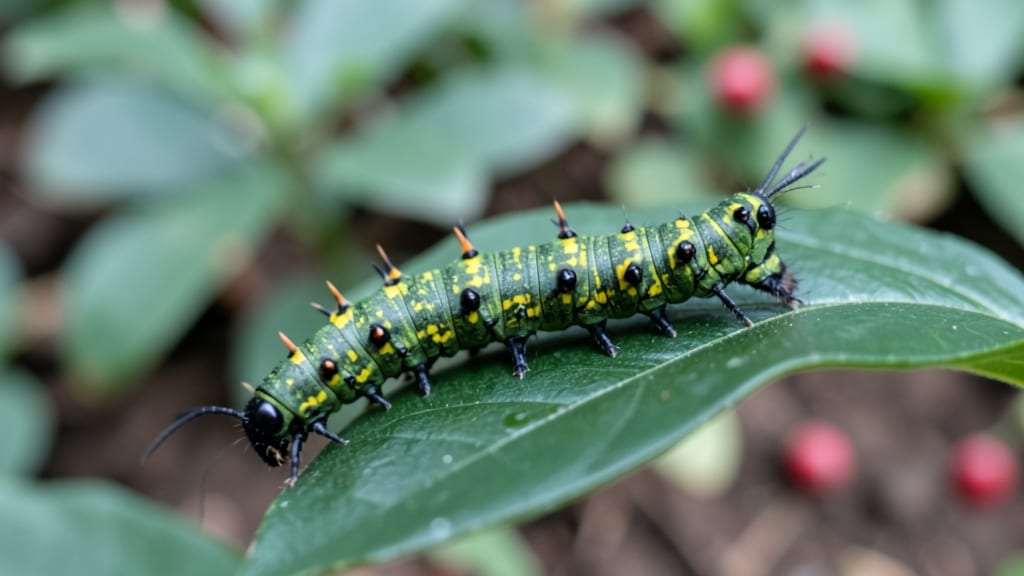
Caterpillars in your garden aren’t just a nuisance—they’re the plant-eating equivalent of a tiny, fuzzy tornado. 🌿 I’ve lost entire rows of kale and tomato leaves to these striped bandits, but I’ve also learned how to outsmart them without harsh chemicals.
The key? Knowing which species you’re dealing with and when to act.
Most garden caterpillars—like tomato hornworms or cabbage loopers—are easy to spot once you know what to look for. Ragged leaves, chewed stems, and tiny green or black worms hiding under foliage are dead giveaways.
The damage happens fast, but so do organic solutions: handpicking, neem oil sprays, or even inviting ladybugs to the party. The goal isn’t just to remove them—it’s to break their life cycle before they multiply.
You’ll save your plants without sacrificing the ecosystem. Within a week, you’ll see fewer holes in leaves, stronger stems, and a garden that’s thriving—not just surviving. The best part? These methods work for vegetables, flowers, and even fruit trees. Let’s turn those caterpillar hotspots into healthy growth zones.
Works for any garden size, from raised beds to sprawling backyards. Here’s how to keep your plants safe—and your sanity intact.
The Hidden Lures of Garden
Your garden isn’t just a feast for your eyes—it’s a smorgasbord for hungry caterpillars. But why do these fuzzy little invaders keep showing up? The answer lies in a mix of natural attraction, environmental cues, and even your own gardening habits. Let’s break down the science behind their uninvited visits.
Caterpillars are plant-eating machines, and your garden is their all-you-can-eat restaurant. Different species have specific cravings, but many are drawn to:
- Leafy greens: Cabbage, lettuce, spinach, and kale are caterpillar magnets because they’re soft, nutrient-rich, and easy to munch. Pieris rapae (cabbage white butterfly larvae) target brassicas like a fine-dining critic.
- Fruits and veggies: Tomatoes, peppers, and squash often fall victim to Manduca sexta (tomato hornworms) and Spodoptera species. These caterpillars seek out plants with high water content and sugars.
- Herbs and flowers: Mint, basil, and even marigolds can attract caterpillars like Lymantria dispar (gypsy moth larvae), which devour foliage without discrimination.
Why it happens: Plants release volatile organic compounds (VOCs) when stressed or damaged—like a distress signal that says, “Eat me!” Caterpillars use their keen sense of smell to zero in on these chemical cues. Pro tip: If you notice holes in leaves or chewed edges, you’re likely dealing with a caterpillar buffet in progress. 🍽️🐛
Caterpillars are opportunistic, and their life cycles are tightly linked to weather patterns. Here’s how your garden’s environment invites them:
| Season | Why Caterpillars Arrive | Key Species |
|---|---|---|
| Spring | Warmth and moisture trigger egg hatching. Overwintered eggs (laid the previous fall) wake up when temps rise above 50°F (10°C). | Pieris rapae, Malacosoma disstria (tent caterpillars) |
| Summer | Peak caterpillar activity! High humidity and abundant foliage provide the perfect breeding ground. Adult moths lay hundreds of eggs in clusters on undersides of leaves. | Manduca sexta, Spodoptera exigua (beet armyworm) |
| Fall | Cooler temps slow growth, but late-season caterpillars seek shelter to pupate. Some species (like Lymantria dispar) can survive mild winters in leaf litter. | Lymantria dispar, Orgyia leucostigma (white-marked tussock moth) |
Why it happens: Caterpillars are cold-blooded (ectothermic), meaning they rely on external heat to grow. Warmer springs and extended summers create longer breeding seasons, leading to more generations—and more caterpillars—in your garden. Pro tip: If you’re seeing caterpillars earlier in the year, climate change might be extending their active season. ⏳🌡️
Some of the most common gardening practices accidentally attract caterpillars. Here’s how you might be rolling out the welcome mat:
- Over-fertilizing with nitrogen: Lush, fast-growing plants are caterpillar candy. While nitrogen-rich soil boosts plant growth, it also makes leaves softer and more palatable to chewers.
- Monoculture planting: Growing large blocks of the same plant (e.g., a single row of tomatoes) creates a caterpillar buffet zone. Predators like birds and parasitic wasps struggle to keep up when food sources are concentrated.
- Ignoring plant debris: Fallen leaves, dead plants, and mulch piles provide hiding spots for pupating caterpillars and shelter for overwintering eggs. Lymantria dispar eggs, for example, can survive winters hidden in leaf litter.
- Using synthetic pesticides: While these kill caterpillars, they also eliminate natural predators like ladybugs, lacewings, and birds. Without checks and balances, caterpillar populations boom when their enemies disappear.
Why it happens: Caterpillars thrive in low-stress environments. When you remove their predators or create an overabundance of food, they reproduce unchecked. Pro tip: Rotate crops, practice companion planting, and clean up debris to disrupt their life cycle. 🌱🚫🐛
Understanding these triggers is the first step to outsmarting caterpillars before they become a full-blown infestation. Next, we’ll explore organic removal methods that work with nature—not against it. 🌿💪
Practical Fixes for Garden Chewers
Now that you know why caterpillars are feasting on your garden, let’s tackle the problem with effective, organic solutions tailored to the cause. Whether they’re munching on leaves, stripping stems, or tunneling into roots, these methods will help you reclaim your garden—without harsh chemicals.
Cause: Hungry larvae (like cabbage worms, loopers, or tent caterpillars) are devouring foliage.
Fix It:
- 🔥 Handpick & Drown – Wear gloves and pluck caterpillars off plants in the morning (they’re sluggish then). Drop them into soapy water to prevent re-infestation.
- 🍳 Neem Oil Spray – Mix 1 tbsp neem oil + 1 tsp mild soap in 1 quart of water. Spray leaves thoroughly (especially undersides where eggs are laid). Reapply every 5–7 days.
- 👨🍳 Bacillus Thuringiensis (Bt) – A natural bacteria (Bt kurstaki) that targets caterpillars but is safe for plants and beneficial insects. Sprinkle or spray on foliage when larvae are small.
💡 Prevention Tip:
- 🌡️ Row Covers – Use lightweight fabric over young plants to block egg-laying moths. Remove when plants flower to allow pollinators access.
Cause: Hornworms or cutworms are chewing through stems or leaving only veins.
Fix It:
- 🔪 Scrape Eggs Off – Check the undersides of leaves for tiny white eggs (hornworm eggs are rectangular). Scrape them into soapy water before they hatch.
- 🥘 Diatomaceous Earth (DE) – Sprinkle food-grade DE around the base of plants. It dehydrates caterpillars but won’t harm plants or pollinators. Reapply after rain.
- 🎯 Beneficial Nematodes – For cutworms hiding in soil, apply Heterorhabditis bacteriophora nematodes to the root zone. They’ll seek out and kill larvae within days.
💡 Prevention Tip:
- ✨ Plant Traps – Grow sacrificial plants like nasturtiums or dill near vulnerable crops (e.g., tomatoes, peppers). Caterpillars often target these first, giving you an early warning.
Cause: Root borers (like tomato hornworm or squash vine borers) are burrowing into stems.
Fix It:
- 🔪 Prune & Inspect – Cut open affected stems to find larvae. Drop them into soapy water or crush them (wear gloves!).
- 🥘 Organic Insecticide Dust – Apply kaolin clay or azadirachtin (from neem) directly into stem borings. This disrupts their feeding and growth.
- 🌡️ Solarization – For severe infestations, cover soil with clear plastic for 4–6 weeks in hot sun. This kills eggs and larvae underground.
💡 Prevention Tip:
- 🔥 Crop Rotation – Avoid planting the same family (e.g., nightshades like tomatoes/peppers) in the same spot yearly. This breaks the caterpillar life cycle.
Even after removing caterpillars, prevent future visits with these strategies: - 🌿 Companion Planting – Pair vulnerable plants with basil, marigolds, or thyme.
Their strong scents repel moths. - 🌙 Night Patrols – Shine a flashlight at dusk to spot and remove caterpillars before they cause damage. - 🧹 Clean Up Debris – Remove fallen leaves and plant residues where eggs and pupae hide.
Remember: Patience is key—some methods (like Bt or nematodes) take 24–48 hours to work. Act at the first sign of damage, and your garden will bounce back stronger! 🌱
Frequently asked questions about garden caterpillars
How do I tell if caterpillars are damaging my plants?
Look for chewed leaves with jagged edges, skeletonized foliage (only veins remain), or tiny black/green worms hiding under leaves. Check stems for sawdust-like frass (caterpillar poop) or wilting plants—common signs of root-feeding larvae.
Are all caterpillars harmful to gardens?
No! Many caterpillars become beneficial butterflies/moths. Only target destructive species like tomato hornworms or cabbage loopers. Leave alone harmless varieties (e.g., swallowtail caterpillars with yellow stripes) that pollinate and support ecosystems.
When is the best time to apply organic treatments?
Apply neem oil or Bt in the early morning when caterpillars are sluggish and dew is present. Avoid spraying when bees are active (midday). For nematodes, water soil thoroughly after sunset to protect them from UV light.
Will chickens or ducks eat garden caterpillars?
Yes! Free-range chickens/ducks love munching caterpillars but may also damage plants. Use them as a last resort or contain them in mobile coops. For delicate seedlings, try ladybugs or parasitic wasps instead—they’re caterpillar specialists!
How long do organic treatments take to work?
Bacillus thuringiensis (Bt) kills caterpillars within 24-48 hours of ingestion. Neem oil takes 3-5 days for full effectiveness. Nematodes work in 48-72 hours once applied to moist soil. Reapply as needed—consistency is key!