Landscaping
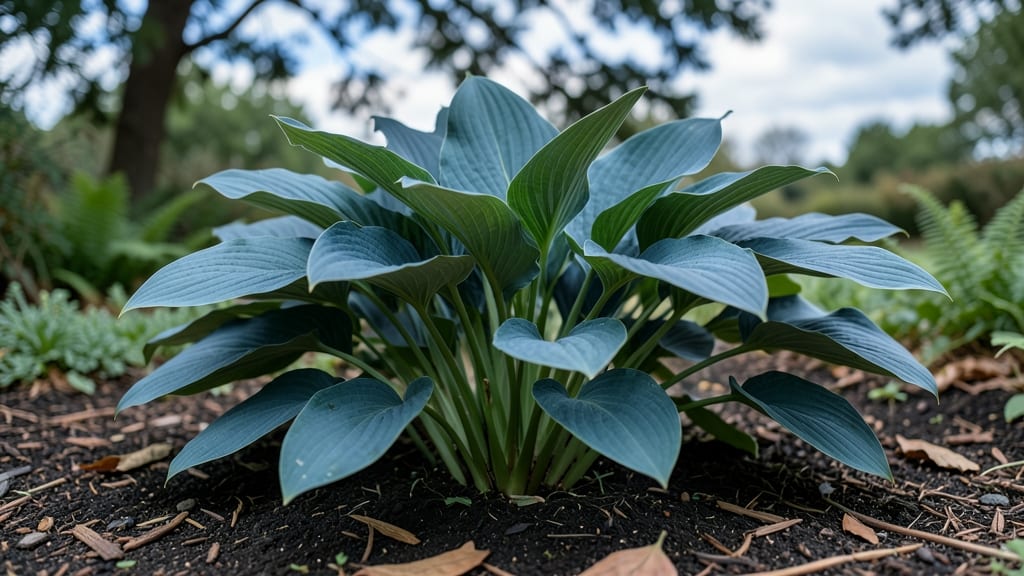
Creating a CG garden design that wows year-round isn’t just about plants—it’s about sculpting space with bold lines, unexpected textures, and a tech-savvy twist. 🌿 I’ve designed gardens where digital precision meets organic beauty, using geometric shapes, minimalist hardscapes, and plants that punch above their weight.
The key? Treating your yard like a living canvas where every element—from the sleek metal trellis to the velvety hostas—plays a role in the composition.
You don’t need a green thumb or a budget to start—just a vision and a few smart tools.
Sketch your layout digitally first (apps like SketchUp or even free tools like Canva work), then translate it to reality with modular planters, clean-edged gravel paths, and climate-smart plants that thrive in your zone.
Think of it like assembling a high-end furniture piece: every piece has its place, and the whole thing feels intentional.
The payoff? A garden that looks stunning in every season—not just spring. Picture frost-kissed ornamental grasses swaying against a charred-wood wall in winter, or jewel-toned succulents spilling over concrete planters in summer.
The modern aesthetic isn’t just about looks; it’s about low-maintenance plants that demand less water, fewer weeds, and more "wow" per square foot. Even my skeptical neighbor admitted it looked like a magazine spread.
This approach works for urban balconies, suburban backyards, or even a single statement planter. The secret? Start small—maybe one high-impact focal point—then build out from there. Let’s turn your outdoor space into a digital-meets-natural masterpiece without sacrificing usability or joy.
📚 In This Guide
- What you need
- Instructions
- Tips and common mistakes
- Wrapping up and next steps
What you need
- ● Site Prep: Heavy-duty gloves (2 pairs) 🧤
- ● Safety goggles (1)
- ● Wheelbarrow (1, 3-4 cubic ft capacity)
- ● Shovel (1, 18-24" head)
- ● Rake (1, 12-18" teeth)
- ● Soil knife (1, for precision cuts)
- ● Hardscaping: Gravel or crushed stone (1-2 tons, ¾" minus size)
- ● Paver stones (quantity depends on layout; 12"x24" modern slabs recommended)
- ● Landscape fabric (1 roll, 3-4 ft wide)
- ● Edging material (metal, plastic, or stone; 50-100 ft, depending on garden size)
- ● Concrete mix (pre-mixed bags, 40-60 lbs each; quantity based on project)
- ● Planting: Structural plants (e.g., Fatsia japonica, Cornus sericea; 3-5 mature specimens)
- ● Seasonal bloomers (e.g., Hydrangea, Kniphofia; 5-10 plants)
- ● Ground cover (e.g., Sedum or Ajuga; 50-100 sq ft coverage)
- ● Mulch (2-3 cubic yards, dyed or natural)
- ● Lighting & Accents: Modern outdoor lights (solar or low-voltage; 4-6 fixtures)
- ● Decorative planters (2-4, geometric or minimalist styles)
- ● Artistic elements (e.g., sculptural planters, metal screens; 1-3 pieces)
- ● Irrigation system (drip or smart sprinklers; DIY kits or professional install)
- ● Water feature (small fountain or pond; 1-2, depending on space)
- ● Outdoor seating (1-2 modern benches or lounge chairs)
- ● Fire pit or tabletop burner (for cozy vibes)
- ● Vertical garden panels (for small spaces or accent walls)
Instructions for crafting a bold modern garden layout
Here’s how to design a striking, contemporary garden that delivers visual drama year-round.
🪴 Step 1: Define the Modern Framework
Start by sketching your space with clean, geometric lines—think sharp edges, straight paths, and defined planting beds. I like to use graph paper to map out proportions, ensuring key elements (like a focal point or seating area) anchor the design. Avoid organic curves unless they serve a deliberate modern contrast.
Measure your space precisely and mark key features: sun exposure, existing structures, and drainage paths. A modern layout thrives on symmetry or asymmetry with purpose—decide early whether you’ll embrace one or the other. For example, a single sculptural plant on one side of a path balances a mirrored bed on the other.
☀️ Step 2: Layer Light and Texture for Year-Round Drama
Modern gardens rely on bold contrasts, so prioritize textures like smooth river stone, sleek metal planters, and glossy evergreens alongside soft grasses or velvety foliage. I often pair glossy leaves (like hostas) with matte finishes (like lamb’s ear) to create visual tension.
Lighting is non-negotiable—install low-voltage LED path lights along edges and spotlights to highlight architectural elements. Test lighting at dusk to ensure it enhances, not competes with, your plants. For winter interest, incorporate evergreens with silvery-blue or deep purple foliage—they’ll keep the space vibrant even when deciduous plants fade.
✂️ Step 3: Edit Ruthlessly for Clean Lines
Modern design means eliminating clutter. Prune plants aggressively to maintain geometric shapes—think boxwoods sheared into cubes or topiary cones. I always remove spent blooms immediately and deadhead perennials to encourage new growth that stays tidy.
Use hardscaping to define spaces: a minimalist wooden deck, a concrete bench, or a single statement sculpture. These elements create focal points that draw the eye. For example, a single 6-foot-tall ornamental grass (like Miscanthus) can anchor a corner and sway dramatically in the wind, adding movement to an otherwise static design.
🌿 Step 4: Select Plants for Structure and Seasonal Flow
Choose plants that offer height, color, and seasonal interest—like ornamental grasses for vertical lines, evergreens for winter structure, and spring bulbs (like daffodils) for early pops of color. I avoid overcrowding; instead, I stagger plantings so blooms overlap, ensuring the garden never looks bare.
For a modern twist, incorporate unexpected textures—like the spiky foliage of Dracaena or the feathery plumes of Pennisetum. Group plants in odd-numbered clusters (threes or fives) for a natural yet deliberate look. Mulch with black gravel or cedar chips to unify the beds and keep weeds at bay.
⏰ Step 5: Maintain with Precision
Modern gardens demand regular upkeep—schedule weekly pruning to preserve clean lines and monthly checks for weeds or overgrowth. I use a sharp pair of pruners to make clean cuts just above a leaf node, which encourages bushier growth. For larger plants, a hedge trimmer keeps edges crisp.
Adjust lighting seasonally—longer summer nights may need brighter path lights, while winter’s shorter days benefit from warmer tones. Rotate seasonal plants (like pansies in winter or geraniums in summer) to keep the color palette fresh without disrupting the modern structure.
Tips & tricks for crafting bold modern garden layouts
Creating a modern garden isn't just about planting—it's about sculpting space with intentionality. These insights will help you elevate your design from functional to visually stunning while keeping that clean, contemporary edge.
Precision in Planning: Before breaking ground, invest in a quality tape measure and graph paper to scale your space accurately. I've seen too many modern designs fail because proportions were eyeballed—this step ensures your focal points (like that 6-foot-tall ornamental grass) have the dramatic impact they deserve. In Step 1, when sketching your geometric framework, use a ruler to maintain those crisp lines. The difference between a good modern garden and a great one often comes down to this level of precision.
Lighting as Architecture: Treat your outdoor lighting like structural elements rather than afterthoughts. In Step 2, when installing those low-voltage LED path lights, consider their placement as carefully as you would a sculptural installation. I recommend placing spotlights at a 45-degree angle to highlight architectural features or textured foliage—this creates dramatic shadows that define the space at night. Test your lighting setup at actual dusk to see how it interacts with your plants and hardscaping.
Pruning with Purpose: The weekly pruning mentioned in Step 5 isn't just maintenance—it's an artistic process. Use sharp pruners to make clean cuts at a 45-degree angle just above a leaf node (about 1/4 inch above). This technique encourages bushier growth while maintaining those crisp, modern lines. For larger plants, invest in a quality hedge trimmer—cheaper models leave jagged edges that undermine your clean aesthetic. I've found that pruning immediately after rain gives the cleanest results.
Seasonal Plant Rotation Strategy: To maintain that year-round visual impact, create a seasonal plant rotation schedule that aligns with your climate. In Step 4, when selecting your evergreens and ornamental grasses, note which plants provide winter interest and which will need summer replacements. I keep a simple spreadsheet tracking each plant's peak seasons—this makes it easy to swap out geraniums for pansies without disrupting your modern structure. The key is to maintain the same color palette and height variations throughout transitions.
Pro Tips for Cg Garden Design
- Creating a modern garden isn't just about planting—it's about sculpting space with intentionality. These insights wil...
- Precision in Planning: Before breaking ground, invest in a quality tape measure and graph paper to scale your space a...
- Lighting as Architecture: Treat your outdoor lighting like structural elements rather than afterthoughts. In Step 2, ...
Frequently asked questions
Got questions about bringing bold, modern CG garden design to life? You’re not alone! Here are answers to the most common queries—from planning to execution—to help you create a stunning, year-round landscape with confidence.
What’s the best time of year to start a CG garden design project?
For CG garden design, timing depends on your climate and plants. In most regions, spring or early fall are ideal—soil is workable, and temperatures are mild. If you’re installing hardscapes (like pathways or walls), summer can work too, but avoid extreme heat. Pro tip: Plan for seasonal interest by layering plants with staggered bloom times!
How much does a modern CG garden design typically cost?
Costs vary widely based on size, materials, and customization. A small urban garden might start at $5,000–$15,000, while a large residential landscape with hardscapes, lighting, and premium plants can range from $20,000–$50,000+. CG designs often prioritize durable, low-maintenance materials (like concrete, steel, or recycled composites) to balance aesthetics and longevity.
Can I mix traditional plants with CG garden design elements?
CG garden design
thrives on contrast—pair sleek geometric planters with lush, organic foliage (like hostas or ornamental grasses) for a dynamic look. Use structured elements (e.g., clean lines, minimalist sculptures) to anchor wildflowers or climbing vines. Key trick: Stick to a cohesive color palette to tie everything together!
What’s the biggest mistake to avoid in CG garden design?
Overcomplicating the layout! CG gardens shine with simplicity and purpose—avoid cluttered plantings or mismatched materials. Common pitfalls include:
- Ignoring scale (e.g., oversized planters in tiny spaces).
- Skipping drainage solutions for hardscapes.
- Choosing high-maintenance plants in a "low-effort" design.
How do I maintain a CG garden in extreme weather (heat, frost, drought)?
Durability is key! For heat, opt for drought-resistant plants (succulents, lavender) and light-colored hardscapes to reflect sunlight. In frost, protect tender plants with microclimates (e.g., south-facing walls) or cold-hardy varieties. CG materials like concrete or metal handle extremes well—just ensure proper sealing to prevent cracking. Watering tip: Use drip irrigation for efficiency!
Wrapping up and next steps
Transforming your outdoor space with CG garden design isn’t just about aesthetics—it’s about creating a bold, functional, and ever-evolving landscape that reflects your style.
Whether you’re drawn to sleek modern lines, vibrant year-round color, or sustainable materials, the key is to start small, plan strategically, and let your creativity flourish. 🌿✨
Ready to bring your vision to life? Sketch a rough layout, gather inspiration, and take the first step today! Your dream garden is just a design away.