
How To
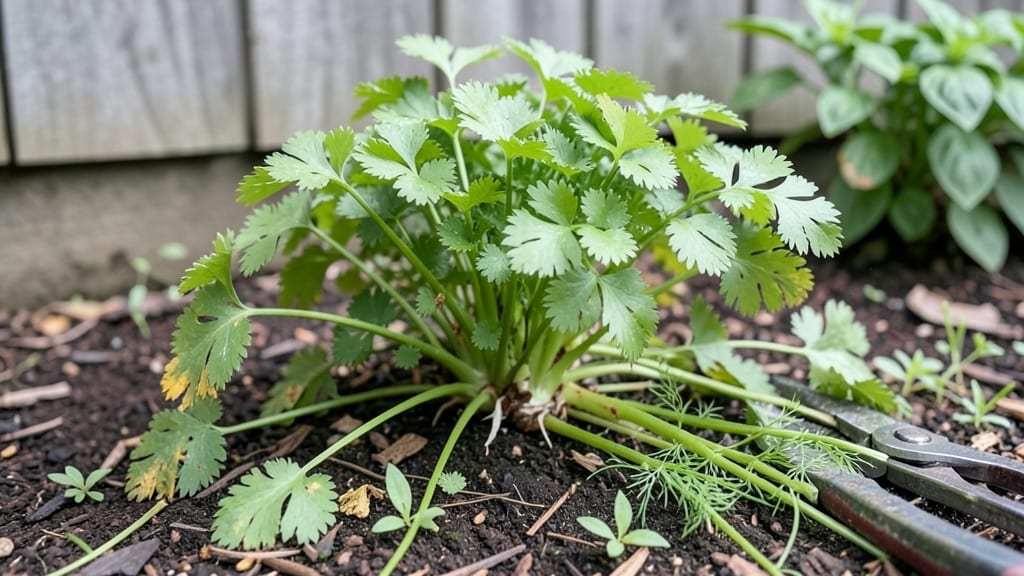
Here are cilantro gardening tips that’ll turn your patch from wilted to lush—just skip these two rookie errors that sabotage every harvest. 🌱 one that bolts too soon comes down to timing, soil, and a little trick with shade cloth that keeps it lush until harvest.
The secret starts with cool-season timing—plant in early spring or late summer when temperatures stay below 75°F, and use a 50/50 mix of potting soil and compost to keep roots happy.
Seeds germinate in 5-10 days if kept moist but not soggy, and transplants (if you’re impatient) should go in after the last frost. Water at the base, never overhead, to prevent fungal issues that turn leaves yellow overnight.
📚 In This Guide
- What you need
- Instructions
- Tips and common mistakes
- Wrapping up and next steps
What you need
- ● Seeds: Organic cilantro seeds (e.g., Coriandrum sativum), 1–2 packets (about 50–100 seeds). Choose heirloom varieties for better flavor and pest resistance.
- ● Containers or Garden Bed: For containers: 6–12-inch deep pots (minimum 6 inches in diameter) with drainage holes. Use 1–2 pots per plant or 1 large tray for group planting.
- ● For in-ground planting: Well-draining soil in a sunny spot (6+ hours of sunlight daily). Avoid heavy clay soil.
- ● Potting Mix: High-quality, organic potting soil (avoid garden soil—it compacts and drains poorly). A 5–10 gallon bag is ideal.
- ● Fertilizer: Balanced organic fertilizer (e.g., 5-5-5 or 10-10-10, diluted to half-strength). Use at planting and every 4–6 weeks.
- ○ Compost (optional but recommended for nutrient boost). Mix 1–2 cups into the soil per pot or per square foot.
- ● Watering Can or Spray Bottle: A gentle spray nozzle helps avoid disturbing seeds during germination.
- ○ Mulch (Optional but Helpful): Straw or shredded leaves to retain moisture and suppress weeds.
- ● Hand Trowel – For planting seeds and mixing soil.
- ● Pruning Shears – To harvest leaves and trim leggy growth.
- ● Gloves – Protects hands from soil and sharp stems.
- ● Pest Control (Preventative): Neem oil (1 tsp per quart of water) – Spray to deter aphids and spider mites.
- ● Diatomaceous earth (food-grade) – Sprinkle lightly around plants to repel pests.
- ● Sunlight: Full sun (6+ hours/day) for best growth. Partial shade (4–6 hours) works in hot climates.
- ● Temperature: Ideal range: 50–75°F. Avoid planting when temps exceed 85°F—cilantro bolts quickly!
- ● Water: Keep soil consistently moist (not soggy). Water at the base to prevent fungal issues.
- ● Spacing: Sow seeds ½ inch apart in rows 12–18 inches apart (or thin seedlings to this spacing).
How to grow cilantro like a pro—even through bolting
Here’s the foolproof method I’ve used for years to keep cilantro thriving, whether you’re growing it in pots or garden beds.
🌱 Step 1: Start Seeds Indoors for a Head Start
Cilantro seeds germinate best when kept warm and moist, so I start mine indoors 4-6 weeks before the last frost. Fill 4-inch pots with the seed-starting mix and press it down lightly—just firm enough to hold the seeds in place when you plant them. The key here is consistency: keep the soil evenly damp but not soggy, as seeds need moisture to sprout but won’t tolerate waterlogging.
Plant 2-3 seeds per pot at a depth of ¼ inch, then cover lightly with more mix. Mist the surface gently with water until it’s damp but not dripping. Place the pots in a warm spot, like on top of the fridge or near a sunny window, and cover them with plastic wrap to trap humidity. Check daily—once you see tiny green sprouts (usually 7-14 days), remove the wrap immediately to prevent mold.
☀️ Step 2: Provide Cool Conditions to Prevent Bolting
Cilantro bolts—turns bitter and flowers—when it gets too hot. To avoid this, keep seedlings in cool temperatures (60-70°F) until transplanting. If you’re growing in spring or fall, direct sunlight is fine, but during summer, move pots to a shaded spot or use a grow light for 12-14 hours a day. You’ll know your cilantro is happy when the leaves stay bright green and tender—if they start looking yellow or stretch too tall, it’s getting too much light or heat.
Once seedlings have 3-4 true leaves (not just the first baby leaves), they’re ready to transplant. Harden them off by placing them outside in a sheltered spot for 1-2 hours the first day, then gradually increase their time outdoors over 5-7 days. This slow adjustment prevents shock and helps them adapt to outdoor conditions.
💧 Step 3: Keep Soil Moist and Harvest Regularly
Cilantro thrives in consistently moist soil—never let it dry out completely, or the leaves will turn bitter. Water at the base of the plant (not overhead) to keep foliage dry and prevent fungal diseases. I like to water every 2-3 days in warm weather, checking the soil with my finger—if the top inch feels dry, it’s time to water again. Overwatering is just as bad, though, so make sure pots have drainage holes to prevent soggy roots.
Harvest cilantro regularly to encourage bushier growth. Snip the outer leaves with clean scissors when they reach 3-4 inches tall, leaving the inner leaves to keep growing. If you let it flower, the plant will go to seed and bolt—so keep harvesting! If you notice flower stalks forming, cut them back immediately to reset growth. With consistent care, one plant can produce enough leaves for 4 servings over its lifetime.
✂️ Step 4: Extend the Season with Successive Plantings
Cilantro has a short lifespan, but you can keep a steady supply by planting new seeds every 2-3 weeks. In warm climates, grow it in fall or winter when temperatures drop below 80°F. If you’re in a hotter zone, try shade cloth to keep it cool. I’ve even grown cilantro indoors near a sunny window—just give it bright, indirect light and keep the soil moist.
To prevent pests like aphids or spider mites, I spray plants with neem oil once a week as a preventive measure. If you notice yellowing leaves or sticky residue, act fast—wipe leaves with a damp cloth and treat with insecticidal soap. With these tricks, you’ll have fresh cilantro year-round, whether you’re growing it in pots or the garden.
Tips & tricks for perfect cilantro growth
Here's what I've learned after years of growing cilantro—these tricks will help you avoid common pitfalls and keep your plants thriving all year.
Seedling Care Secret: In Step 1, when you're planting those 2-3 seeds per pot, I've found that gently pressing the soil around them with your finger helps maintain consistent contact with moisture. After the 7-14 days it takes for sprouts to appear, don't forget to remove the plastic wrap immediately—leaving it on can create a moldy environment that smothers your seedlings.
Temperature Troubleshooting: The 60-70°F range mentioned in Step 2 is crucial for preventing bolting. If your seedlings start stretching toward the light (a sign of heat stress), move them immediately to a cooler spot. I've even used a small fan on low setting to create better airflow around the plants—this helps maintain even temperatures and prevents leggy growth.
Watering Wisdom: When checking that top inch of soil in Step 3, I recommend using a chopstick or pencil to probe gently—it gives you a more accurate reading than just your finger. And for those 4-inch pots, I've noticed that watering every 2-3 days works best when the pots are placed in a tray with about ½ inch of water. The plants draw up exactly what they need through the drainage holes.
Harvesting Hack: For the 3-4 inch leaves mentioned in Step 3, I've developed a habit of harvesting with clean kitchen scissors rather than my fingers. This prevents accidental damage to the stems and keeps the cuts clean. Plus, it's easier to maintain consistent leaf size this way—aim for leaves that are fully developed but not yet flowering.
Pro Tips for Cilantro Gardening Tips
- Here's what I've learned after years of growing cilantro—these tricks will help you avoid common pitfalls and keep your plants thriving all year.
- Seedling Care Secret: In Step 1, when you're planting those 2-3 seeds per pot, I've found that gently pressing the soil around them with your finger helps maintain consistent contact with moisture.
- Temperature Troubleshooting: The 60-70°F range mentioned in Step 2 is crucial for preventing bolting.
Frequently asked questions
Got questions about growing cilantro like a pro? Here are answers to the most common ones—so you can enjoy fresh, pest-free cilantro all year long!
Can cilantro grow in containers?
Cilantro thrives in containers as long as they’re at least 6-8 inches deep with drainage holes. Use a well-draining potting mix, and place the pot in full sun (6+ hours daily). Just keep it watered—containers dry out faster than garden beds.
How long does it take for cilantro to grow?
From seed to harvest, cilantro typically takes 6-8 weeks. For baby leaves, you can snip them in 3-4 weeks. If you let it bolt (flower), it’ll go to seed in 2-3 months. For continuous harvests, sow seeds every 2-3 weeks in warm months or 3-4 weeks in cooler seasons.
What’s the best way to keep pests away from cilantro?
Cilantro is prone to aphids, spider mites, and deer. Prevent pests with these tricks:
- Neem oil spray (weekly preventive treatment).
- Interplant with basil or marigolds to repel bugs.
- Use row covers for young plants.
- Handpick pests early—don’t let them multiply!
If deer are a problem, add a fence or plant deterrents like lavender nearby.
Can cilantro grow in hot weather?
Cilantro is a cool-weather crop and bolts (goes to seed) when temps rise above 75°F (24°C). To extend the season:
- Grow it in spring or fall for best results.
- Provide afternoon shade in summer.
- Try slow-bolting varieties like ‘Santo’ or ‘Calypso.’
- Harvest leaves early and often to delay bolting.
If it bolts, let a few flowers go to seed—you’ll get coriander for spice blends!
What can I plant after cilantro?
Cilantro is a light feeder, so follow it with:
- Leafy greens (spinach, lettuce).
- Root veggies (carrots, beets).
- Herbs (parsley, dill).
- Tomatoes or peppers (they love the loose soil).
Avoid heavy feeders like corn or squash—they’ll compete for nutrients. Rotate crops yearly to keep soil healthy!
Wrapping up and next steps
Growing cilantro at home is easier than you think—with the right gardening tips, you’ll enjoy fresh, pest-free herbs year-round! 🌱 Whether you’re a beginner or a seasoned gardener, these secrets help you avoid common pitfalls like bolting and pests while maximizing flavor.
Now that you’re armed with the best practices, why not start your cilantro garden today? Grab your seeds, pick a sunny spot, and watch your kitchen transform with homegrown goodness. Happy planting! 🌿