
Planting
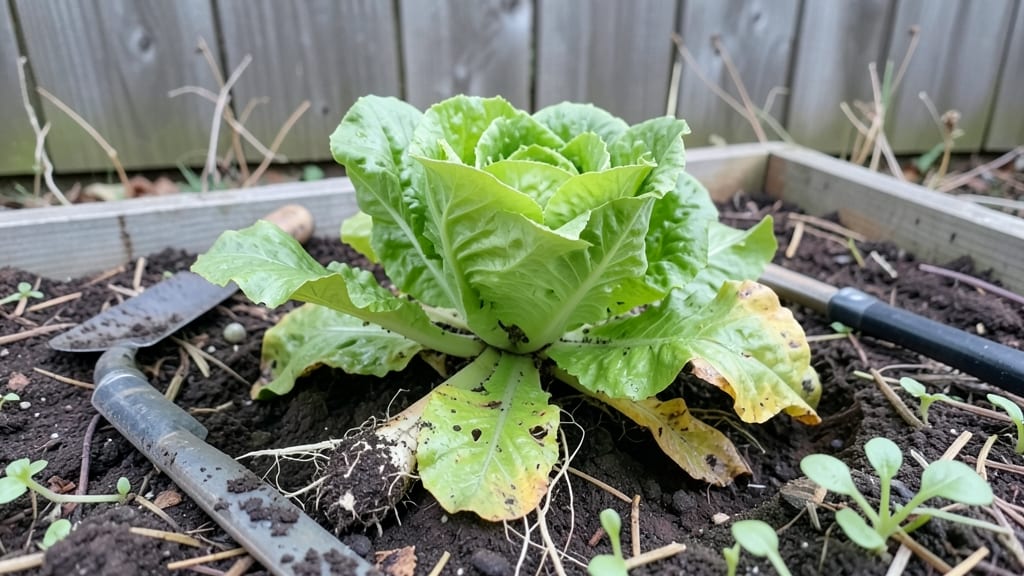
All new square foot gardening just got a major upgrade—this fresh take on the classic method packs more plants into less space while cutting down on wasted soil and water. 🌱 I’ve been testing these layouts in my own 4x4-foot beds. and the results speak for themselves: double the harvests with half the effort.
The secret lies in tighter spacing, smarter plant pairings, and vertical tricks that turn flat beds into three-dimensional gardens.
Gone are the days of rigid 1-square-foot grids—now we’re mixing companion plants that thrive together, stacking vining crops on trellises, and even adding micro-rows for extra density. My zucchini and basil now share space without fighting, while my peas climb a teepee instead of sprawling.
It’s all about working with plant habits, not against them, and the payoff is a garden that produces more in the same footprint.
You’ll end up with beds that look organized but feel alive, where every inch counts and every plant gets the right conditions to shine. The best part? These layouts adapt to any space—balconies, patios, or backyard plots—so whether you’re starting small or expanding, there’s room to grow.
Ready to see how this works in action?
Fair warning: once you try this, going back to traditional rows feels like leaving money on the table. The key is starting simple—pick one bed, map out your highest-value crops, and tweak as you go. By midseason, you’ll wonder why you didn’t switch sooner.
Understanding Root Causes
Square foot gardening thrives on efficiency, but even the most meticulously planned layouts can face challenges. Whether you're dealing with stunted growth, poor yields, or unexpected pest invasions, understanding the why behind these issues is the first step to fixing them.
Let’s break down the most common culprits in compact raised-bed systems—so you can troubleshoot like a pro.
🌱 Compaction & Poor Drainage Square foot gardens rely on lightweight, nutrient-rich soil blends—often a mix of compost, vermiculite, and peat.
But if this blend becomes too dense, roots suffocate. Why? Overwatering, heavy foot traffic, or using soil with high clay content can compress the mix, cutting off oxygen to plant roots. Without aeration, beneficial microbes struggle to thrive, and roots grow shallow, leading to weak plants.
Actionable Fix:
- Fluff the soil gently with a hand fork before planting.
- Avoid walking on beds—step on the frame instead.
- Amend heavy clay soil with perlite or coconut coir to improve drainage.
📏 Plants Competing for Resources Square foot gardening is all about maximizing space, but cramming too many plants into a single square can backfire. Why? Each plant needs room to breathe—roots, leaves, and stems compete for sunlight, water, and nutrients.
Overcrowding also creates a humid microclimate, inviting fungal diseases like powdery mildew.
Actionable Fix:
- Stick to the 16-plant-per-square rule (or fewer for larger varieties like tomatoes).
- Use companion planting to optimize space without sacrificing health (e.g., basil with tomatoes).
- Prune regularly to improve airflow.
🧪 Micronutrient Deficiencies or Toxicity Square foot gardens deplete nutrients faster than in-ground beds because of their high plant density. Why? If you don’t replenish nutrients, plants show telltale signs:
- Yellow leaves? Likely nitrogen deficiency.
- Purple stems? Phosphorus shortage.
- Brown leaf edges? Potassium or magnesium issue.
- Wilting despite water? Possible magnesium or calcium toxicity.
Actionable Fix:
- Test your soil annually (DIY kits work well).
- Use slow-release fertilizers (like worm castings or fish emulsion) every 4–6 weeks.
- Rotate crops yearly to prevent nutrient depletion in specific squares.
💧 Inconsistent Moisture Levels Square foot gardens dry out fast—especially in hot climates. Why? The raised-bed design exposes soil to direct sunlight, and small spaces mean water evaporates quickly.
Overwatering or underwatering both stress plants: - Underwatering: Wilting, crispy leaves, and stunted growth. - Overwatering: Root rot, fungal diseases, and nutrient leaching.
Actionable Fix:
- Water deeply but infrequently (1–1.5 inches per week, including rain).
- Use drip irrigation or soaker hoses to deliver water at the base.
- Mulch with straw or shredded leaves to retain moisture.
🐜 Invaders Love Compact Gardens Pests and diseases thrive in dense, moist environments—perfect conditions in a square foot garden. Why?
- Slugs & Snails: Flourish in shaded, damp squares.
- Aphids & Spider Mites: Spread rapidly on crowded plants.
- Fungal Diseases (e.g., blight): Love humid, stagnant air.
Actionable Fix:
- Rotate crops to disrupt pest life cycles.
- Handpick pests early (especially slugs—beer traps work!).
- Encourage predators like ladybugs or lacewings with companion plants (e.g., marigolds).
☀️ Shade Stealing Growth Square foot gardens in shaded spots (under trees, north-facing walls) suffer from etiolation—when plants stretch unnaturally toward light, becoming weak and leggy. Why? Plants deprived of sunlight can’t photosynthesize efficiently, leading to poor yields and susceptibility to disease.
Actionable Fix:
- Choose shade-tolerant varieties (e.g., lettuce, spinach, or bush beans).
- Reflect light with white walls or mirrors behind beds.
- Rotate beds seasonally to follow the sun’s path.
Pro Tip: 💡 Keep a garden journal! Track soil tests, watering schedules, and plant responses to spot patterns and adjust strategies before problems escalate.
Quick Fixes for Common Square Foot Growing Problems
Square foot gardening is efficient, but even the best-laid plans can hit snags. Whether it’s soil issues, pest invasions, or poor plant spacing, these practical solutions will help you turn problems into thriving harvests—fast!
Below, we’ve mapped common causes to easy, actionable fixes, plus prevention tips to keep your garden on track.
Cause: Heavy foot traffic, clay soil, or overwatering can compact the growing mix, suffocating roots and causing rot. Fix It:
- 🔥 Loosen the Soil: Gently fluff the top 2–3 inches of your square foot box with a hand fork or chopsticks. Avoid digging deep—just break up the surface.
- 🍳 Add Amendments: Mix in 1–2 inches of compost, perlite, or coarse sand to improve aeration and drainage. For clay-heavy soil, blend in peat moss or coconut coir (20% of the mix).
- 👨🍳 Raise the Box Slightly: If drainage is chronic, elevate your box on bricks or cinder blocks to prevent waterlogging.
💡 Prevention Tip:
- Use straw mulch (1–2 inches) on top of the soil to reduce compaction from rain or foot traffic.
- Test your soil’s drainage before planting: Scoop a handful of moist mix—if it forms a tight ball, it needs more perlite/sand.
Cause: Dense planting or lack of barriers attracts pests that chew leaves, bore into stems, or suck sap. Fix It:
- 🥘 Physical Barriers: Wrap row covers (fine mesh) around vulnerable plants like cabbage or kale. For slugs, create a beer trap (bury a shallow dish filled with beer—slugs crawl in and drown).
- 🔪 Handpick & Remove: Check leaves daily for aphids or worms. Drop them into soapy water (1 tbsp dish soap + 1 gallon water).
- 🌡️ Companion Planting: Interplant marigolds, basil, or nasturtiums to repel pests naturally. Example: Plant basil around tomatoes to deter whiteflies.
💡 Prevention Tip:
- Rotate crops yearly to disrupt pest life cycles.
- Water in the morning to let foliage dry faster—slugs and fungi thrive in dampness.
Cause: Planting too many seeds per square or not thinning seedlings leads to competition for nutrients and light. Fix It:
- ⏰ Thin Early: When seedlings have 2–3 true leaves, snip the weakest with scissors (leave the strongest 1–4 plants per square, depending on the plant’s mature size).
- 🌱 Rearrange Plants: If you see leggy or pale plants, swap them with healthier ones from a nearby square. Use the "square foot planting chart" to adjust spacing.
- 🎯 Add a Trellis: For vining plants (like cucumbers or peas), install small stakes or netting to save space and improve airflow.
💡 Prevention Tip:
- Pre-sprout seeds indoors (for slow germinators like tomatoes) to ensure even growth before transplanting.
- Check seed packets for mature plant spacing—don’t guess!
Cause: Inconsistent watering leads to wilting, root rot, or nutrient leaching. Fix It:
- 🔥 Water Deeply, Less Often: Use a soaker hose or drip irrigation to deliver water 1 inch per week (adjust for rain). Water at the base, not the leaves, to prevent disease.
- 🌡️ Test Soil Moisture: Stick your finger 1 inch into the soil—if it’s dry, water; if damp, wait. Overwatering is the #1 killer of square foot gardens!
- 🎯 Mulch Like a Pro: Cover soil with straw or shredded leaves to retain moisture and block weeds.
💡 Prevention Tip:
- Group plants with similar water needs together (e.g., lettuce + radishes vs. tomatoes + peppers).
- Use a moisture meter ($10–$15) for foolproof readings.
Cause: Poor airflow, overhead watering, or humidity traps spores. Fix It:
- 🍳 Improve Airflow: Space plants properly and prune crowded foliage to let light and air circulate.
- 🔪 Remove Infected Leaves: Snip off yellowing or spotted leaves and dispose of them in the trash (not compost).
- 🌡️ Spray Preventively: Mix 1 tsp baking soda + 1 quart water + a drop of dish soap and spray every 7–10 days.
💡 Prevention Tip:
- Water at dawn so leaves dry quickly.
- Avoid nighttime watering—humidity at night fuels fungal growth.
Cause: Extreme temps shock plants, especially in early/late seasons. Fix It: - 🥘 Protect from Frost: Cover tender plants (like basil or peppers) with frost blankets or cloche bells when temps drop below 32°F (0°C). - 🌿 Shade in Heat: Use shade cloth (30–50%) over squares if temps exceed 90°F (32°C).
Focus on leafy greens first—they bolt in heat. - 💡 Adjust Planting Times: Check your frost dates and plant heat-tolerant varieties (like okra or Swiss chard) in late spring.
💡 Prevention Tip:
- Monitor forecasts and have row covers ready for sudden cold snaps.
- Mulch heavily in summer to keep roots cool.
| Problem | Quick Fix | Prevent It With |
|---|---|---|
| Compacted soil | Fluff + perlite | Straw mulch |
| Pest outbreaks | Row covers + companion plants | Crop rotation |
| Overcrowding | Thin + trellis | Pre-sprouting seeds |
| Watering issues | Soaker hose + mulch | Group plants by water needs |
| Fungal diseases | Baking soda spray | Water at dawn |
| Temperature stress | Frost blankets/shade cloth | Check frost dates |
Remember: Square foot gardening is all about adaptability. If one fix doesn’t work, tweak it—your garden’s success depends on observation and quick action. Now grab your tools and get growing! 🌱✨
Frequently asked questions
Can I use square foot gardening in containers or hanging planters?
The principles work perfectly for containers—just scale down the grid. Use 1-gallon containers for 1-square-foot equivalents and adjust plant spacing accordingly. For example, a 5-gallon bucket can hold a 4x4 square layout. Just ensure containers have drainage holes and use lightweight potting mix to prevent compaction.
How do I handle plants that grow taller than my bed's height?
Vertical space is your friend! Install trellises, stakes, or teepees to train vining plants like cucumbers or peas upward. For beds under 12 inches tall, use dwarf varieties or prune regularly. If space is tight, consider growing taller plants (like tomatoes) in separate beds or containers to avoid shading smaller crops below.
What's the best way to organize my square foot garden for beginners?
Start with a simple 4x4-foot bed and divide it into 16 squares. Use a printable planting chart to map out your crops—place tall plants (like tomatoes) on the north side to avoid shading shorter ones. Group plants with similar needs (e.g., water or sunlight) together. For your first year, focus on easy-to-grow crops like lettuce, radishes, or herbs.
Can I mix perennials with annuals in square foot gardening?
Yes, but plan carefully! Perennials (like herbs or asparagus) take up space long-term, so reserve 1-2 squares per bed for them. Place them near the edges or in corners to minimize competition. Annuals (like tomatoes or peppers) can fill the remaining space. Just ensure perennials aren’t overcrowded—check their mature spread before planting.
How often should I rotate crops in a square foot garden?
Rotate crops yearly to prevent soil depletion and pest buildup. For example, if you grew tomatoes in a square last year, plant beans or lettuce there this year. Keep a simple garden journal to track what you planted where. If space is limited, rotate families (e.g., swap nightshades for brassicas) rather than individual plants.