
Fertilization
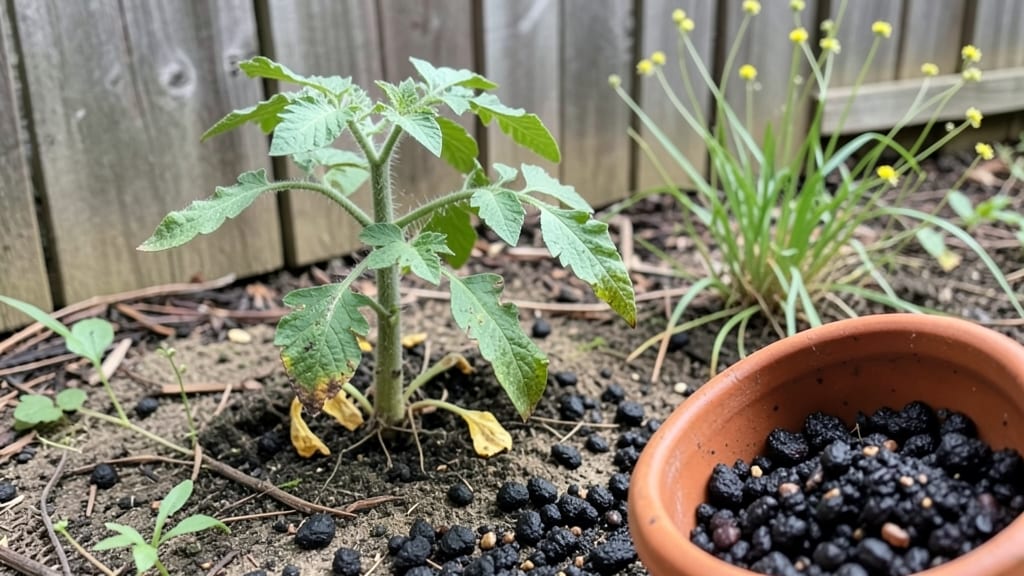
Using coffee grinds in your garden boosts soil fertility by enriching it with nitrogen and organic material while repelling pests like slugs, and it’s especially beneficial for acid-loving plants such as azaleas and blueberries. Apply them as a thin layer over compost or topsoil, but avoid overdoing it to prevent mold or nutrient imbalance.
Coffee grinds are a powerhouse for gardeners because they’re packed with nutrients that break down slowly, feeding soil microbes over time. 🌱 The nitrogen content helps plants grow lush and green, while the acidity adjusts pH levels for acid-loving flora.
I’ve seen firsthand how a small handful mixed into the soil can transform struggling plants into thriving ones—just don’t use them for vegetables like tomatoes, which prefer neutral soil.
For best results, work the grinds into the top inch of soil or use them as mulch around plants. A light sprinkle every few weeks keeps pests at bay and maintains soil moisture, but too much can create a soggy mess.
Think of them as a natural, free fertilizer that’s easy to source—just save your used grounds instead of tossing them!
💡 In This Article
- How Coffee Grinds Boost Soil Health
- Best Ways to Apply Coffee Grounds in Your Garden
How coffee grinds boost soil health
Here's what's actually happening when you add coffee grinds to your garden: they act like a slow-release fertilizer because of their rich chemical composition. Fresh grinds contain about 2% nitrogen by weight—similar to compost but more concentrated than many organic amendments.
This nitrogen feeds soil microbes, which in turn break down the grinds into plant-accessible nutrients over 2-4 weeks. The process creates a micro-ecosystem where beneficial bacteria and fungi thrive, accelerating nutrient cycling in your soil.
The magic doesn't stop at nitrogen. Coffee grinds also contain potassium (about 0.6%) and trace minerals like magnesium and phosphorus, which support root development and flowering. What makes them unique is their organic acid content—primarily chlorogenic and caffeic acids—which helps lower soil pH gradually.
This is why they're perfect for acid-loving plants like hydrangeas (which bloom blue in acidic soil) or blueberries (which need pH 4.5-5.5 to thrive). Unlike synthetic fertilizers, these acids don't cause sudden pH swings that can harm plant roots.
The texture of coffee grinds plays a crucial role too. Their coarse, granular structure improves soil aeration when mixed into the top 1-2 inches of soil, creating tiny air pockets that help roots breathe. This is particularly valuable for heavy clay soils where compaction is an issue.
Over time, the grinds also enhance moisture retention by holding up to 20% more water than regular soil—similar to how coconut coir works in potting mixes. The dark color also helps absorb sunlight, keeping the soil slightly warmer during cooler months.
What most people don't realize is how coffee grinds compare to other organic amendments. While compost provides a broader range of nutrients and microbes, coffee grinds offer a targeted nitrogen boost that's easier to control. Manure, on the other hand, contains more phosphorus but can be overpowering if fresh.
Coffee grinds strike a balance—especially when used in moderation. Their caffeine content (about 0.1-0.2%) might seem concerning, but it actually acts as a natural pest deterrent by repelling slugs and snails without harming plants or beneficial insects.
For long-term benefits, think of coffee grinds as a soil conditioner that works in two phases: immediate microbial activation and gradual nutrient release. The initial breakdown creates a "wake-up call" for dormant soil organisms, while the slow decomposition maintains fertility.
This dual-action makes them ideal for container gardens where space is limited but nutrients need constant replenishment. Just remember: fresh grinds work best—they've lost about 30% of their nitrogen within 24 hours of brewing, so use them promptly for maximum benefit.
Here's a pro tip: mix coffee grinds with equal parts compost before applying to balance their acidity and prevent mold growth. The compost provides buffering while the grinds deliver that nitrogen kick.
For acid-loving plants, you can even create a "coffee compost tea" by steeping grinds in water for 24 hours, then diluting 1:10 with water for a gentle soil drench. The result? Healthier plants and soil that smells like your morning brew—just without the caffeine jitters. ☕