
Fertilization
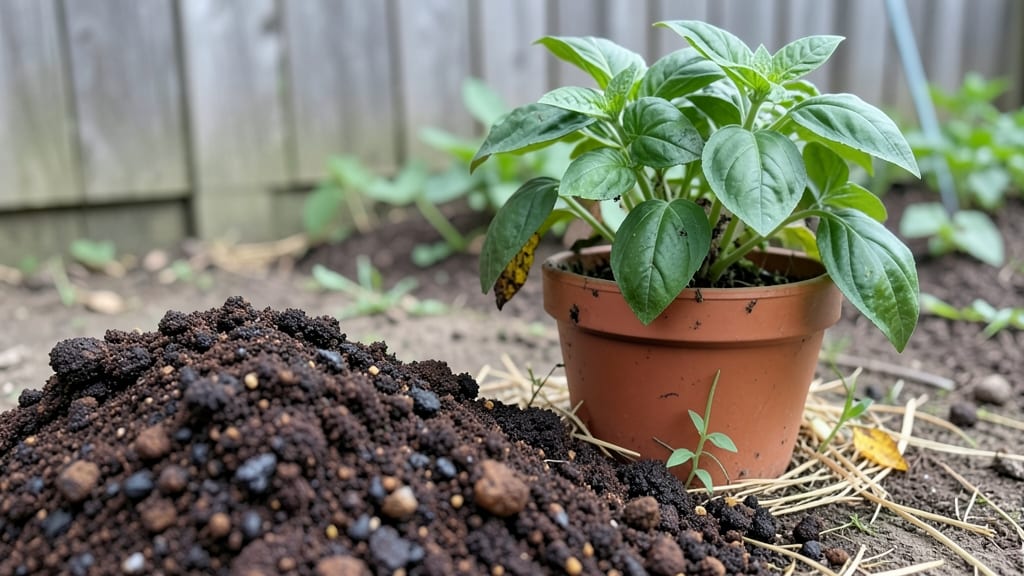
A coffee grounds fact sheet reveals they're a powerhouse for soil health, thanks to their high nitrogen content—about 2% by weight—that feeds microbes and promotes plant growth. 🌱 The grounds also improve soil structure by encouraging earthworm activity and breaking down organic matter faster than many other compost materials.
However, their acidity (pH around 4.5-5.0) means they're best suited for acid-loving plants like blueberries or azaleas, while neutral-soil crops may need careful monitoring.
Beyond fertilization, coffee grounds repel pests like slugs and snails while suppressing weeds when used as mulch. For best results, mix them into compost piles (they heat up faster) or sprinkle lightly around plants—never pile them directly against stems to prevent mold.
Store unused grounds in a sealed container to preserve their potency for weeks.
💡 In This Article
- How Coffee Grounds Benefit Soil and Plant Growth
- Best Practices for Using Coffee Grounds in Your Garden
How coffee grounds benefit soil and plant growth
Here's what's actually happening when you add coffee grounds to your garden: they act as a microbial catalyst. Fresh grounds contain about 2% nitrogen by weight—more than banana peels (0.5% nitrogen) but less than grass clippings (4% nitrogen).
This nitrogen feeds soil microbes, which then break down the grounds into simpler compounds plants can absorb. The process creates a chain reaction where microbial populations explode, accelerating organic matter decomposition by up to 30% compared to untreated soil.
The magic happens at the microscopic level. Coffee grounds contain cellulose and lignin, complex polymers that require specialized microbes to break down.
These microbes thrive in the slightly acidic environment (pH 5.0-6.0) created by coffee grounds, producing enzymes that transform the grounds into humus—a dark, spongy material that improves soil structure.
This humus increases water retention by 20-30% while aerating compacted soil, creating ideal conditions for root growth. 🌱 The texture of used grounds (coarse and granular) also helps prevent soil crusting, which is why gardeners notice healthier seedlings when using them as mulch.
What most people don't realize is how coffee grounds compare to other organic amendments. While grass clippings provide faster nitrogen release (ideal for quick fixes), coffee grounds offer a slower, more sustained nutrient release—perfect for long-term soil building.
Banana peels, with their 0.4% potassium, complement coffee grounds by improving flower and fruit production, but lack the microbial stimulation. The key factor is balance: coffee grounds alone won't replace a complete fertilizer, but their unique microbial benefits make them a valuable addition to any compost system.
This works because coffee grounds contain trace minerals like magnesium and copper—essential for plant enzyme function. The magnesium helps activate chlorophyll production, while copper aids in photosynthesis efficiency.
When mixed into compost, they raise temperatures by 5-10°F faster than other materials due to their high carbon-nitrogen ratio (20:1), which creates the perfect environment for thermophilic bacteria. The result? A compost pile that matures in 4-6 weeks instead of the usual 8-12 weeks.
For visual learners, imagine this: a soil profile with coffee grounds shows three distinct layers when tilled in. The top layer (1 inch) becomes darker and fluffier within 2 weeks as microbes colonize.
The middle layer (2-4 inches) shows improved drainage, and the bottom layer (4+ inches) gains better water infiltration. This layered effect demonstrates how coffee grounds don't just feed plants—they restructure soil at multiple levels. 💫
The science behind this involves a process called "priming," where coffee grounds stimulate dormant microbes to become active. This creates a feedback loop: active microbes break down more grounds, releasing more nutrients, which in turn supports more microbial growth.
The result is a self-sustaining ecosystem that continues improving soil health long after the grounds decompose.