
Landscaping
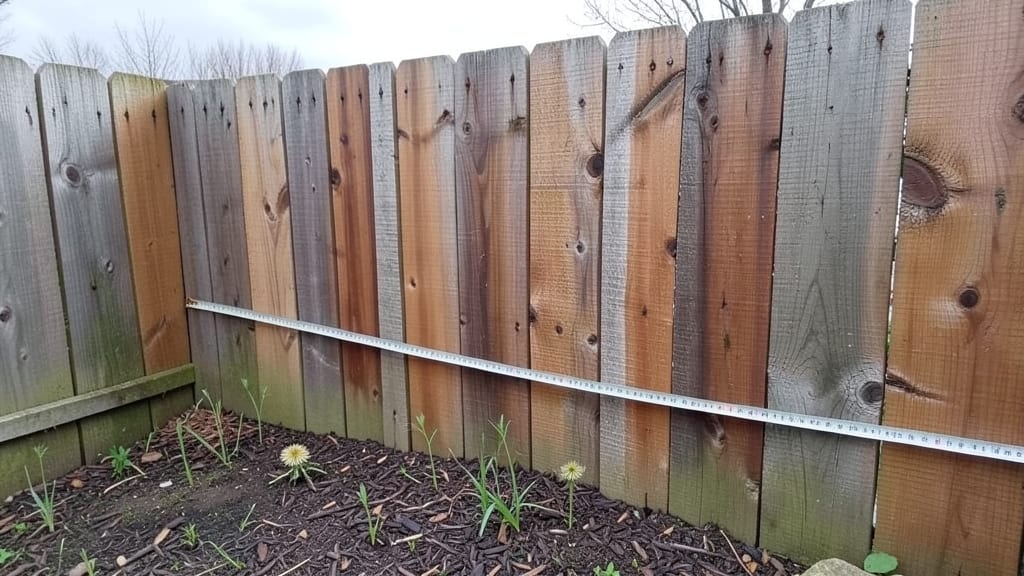
Determining garden fence height depends on your location, as residential limits typically fall between 4 to 8 feet, with local HOAs or municipal codes setting the exact parameters. Always verify zoning laws before building to prevent costly penalties or forced removals.
Local regulations on fence height exist primarily to balance privacy, safety, and neighborhood harmony. 💫 Cities often enforce stricter limits—like 6 feet—whereas rural areas might allow taller 8-foot fences for agricultural or security purposes. Homeowners' associations (HOAs) frequently impose additional rules, sometimes requiring architectural review even for standard heights.
The key is checking your county's zoning ordinances first, as penalties for non-compliance can exceed $500 in fines or mandatory removal orders.
Beyond legal limits, your fence's purpose should guide height selection. A 6-foot privacy screen works well for backyard seclusion, while 4-foot picket fences suit decorative needs. For pet containment, 5-6 feet is ideal, but windbreaks may need 7-8 feet for effectiveness.
Always measure property lines and consider neighboring structures—protrusions like gates or posts can trigger additional height restrictions in some jurisdictions.
💡 In This Article
- Local Regulations Affecting Garden Fence Heights
- Choosing the Right Fence Height for Privacy and Functionality
Local regulations affecting garden fence heights
Height restrictions on garden fences primarily serve three critical purposes: preserving neighborhood aesthetics, ensuring safety, and maintaining property line visibility. Municipal codes typically mandate maximum heights to prevent visual obstructions that could disrupt community harmony or create fire hazards.
For instance, cities like Los Angeles cap residential fences at 6 feet to maintain street visibility for emergency vehicles, while rural counties often allow 8-foot barriers for agricultural or livestock containment.
The science behind these limits involves balancing privacy needs with public safety—taller fences can obscure sightlines for first responders during emergencies.
HOA regulations often add another layer of complexity, frequently requiring architectural review committees to approve even standard-height fences. These organizations prioritize uniformity, which is why you might see 4-5 foot picket fences in suburban developments—despite local codes allowing taller options.
The key distinction lies in enforcement: municipal violations often result in fines up to $1,000, while HOA infractions may trigger mandatory removal or costly redesigns.
What most people don't realize is that some jurisdictions treat fence protrusions (like gates or decorative elements) as additional height, even if the main fence complies with regulations.
Exceptions exist for legitimate security or agricultural needs. Many counties permit 8-foot chain-link or wood fences for livestock containment, while security-conscious areas allow 7-foot barriers with proper permits. The process typically involves submitting plans to the zoning board, which evaluates whether the fence serves a "special purpose."
For example, a 6-foot fence might get approved for privacy in a high-crime neighborhood when standard heights wouldn't suffice, demonstrating how regulations adapt to local conditions. 🔥
Property line visibility plays a crucial role in height determinations. Codes often require fences to maintain at least 4 feet of clearance from property boundaries to prevent disputes over encroachments.
This explains why corner lots or sloped properties sometimes face stricter scrutiny—builders must account for how the fence's shadow or structure might obscure adjacent land.
The measurement process involves using surveyor's stakes and laser levels to ensure compliance, which is why professional installation often costs $3-$5 per linear foot more than DIY projects.
Material choices also influence height allowances. Vinyl fences typically face fewer restrictions than wood or metal due to their uniform appearance, while decorative metal designs might trigger additional reviews.
The weight of materials becomes a factor too—8-foot wood fences require deeper concrete footings (often 12-18 inches deep) to prevent leaning, which some jurisdictions regulate as part of structural safety codes. This technical requirement explains why some areas prohibit 8-foot fences unless installed by licensed contractors.
What most homeowners overlook is how height restrictions vary by fence type. Chain-link fences often face different rules than wood privacy screens, and temporary fences (like those for construction) might have entirely separate permits.
For example, a 6-foot chain-link fence might be allowed for pet containment where a wood fence of the same height would require special approval. Always check whether your county distinguishes between "permanent" and "temporary" fences—this distinction can save thousands in unexpected costs. ✨