
Tools
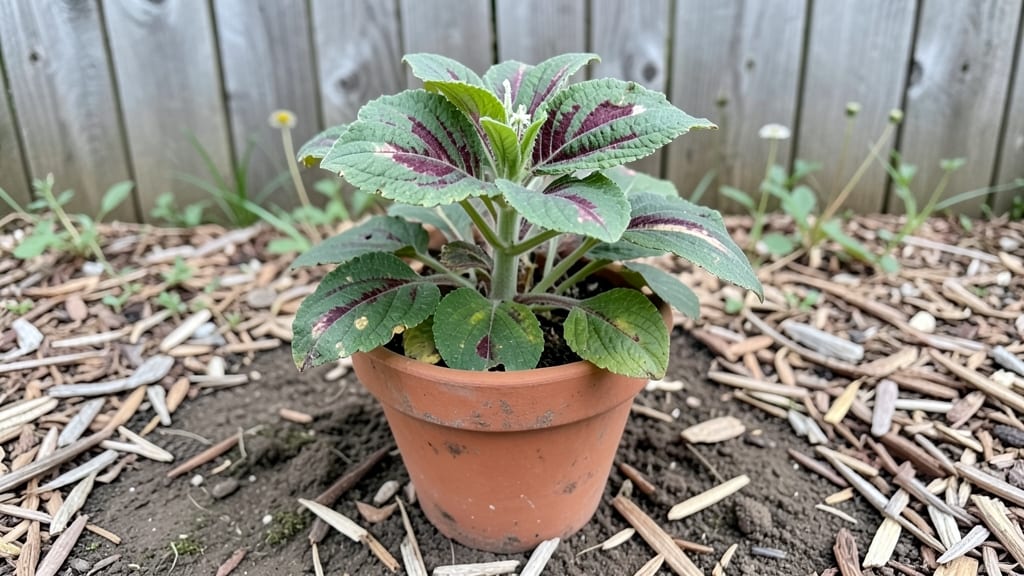
A coleus garden border transforms dull edges into a riot of jewel-toned foliage that never fades out of season. ✨ I was skeptical too—until I planted mine last spring and watched my yard go from "meh" to "wow" with zero extra work.
The secret lies in choosing the right varieties and spacing them just right so they fill in like a living tapestry.
You’ll need 10-12 plants per 4-foot border, mixed heights (6-18 inches) for texture, and a sunny spot with afternoon shade to keep leaves vibrant. Pair deep burgundies with chartreuse or fire-engine reds with silver for maximum contrast.
Most coleus thrive in well-draining soil and regular watering, but they’re surprisingly tough once established.
By summer’s end, your border will be a dense, lush wall that blooms without flowers—just velvety leaves that shift color in sunlight. Prune leggy stems in early fall to encourage bushiness, and mulch to protect roots through winter. Some varieties even survive mild winters with a little snow cover.
Works for small urban gardens, large landscapes, or even container borders. The best part? You can mix and match colors yearly without replanting—just swap out a few plants for fresh hues. Ready to make your edges the envy of the neighborhood?
📚 In This Guide
- What you need
- Instructions
- Tips and common mistakes
- Wrapping up and next steps
What you need
- ● Coleus plants: 10–20 plants (depending on border length). Choose varieties with bold foliage colors like 'Black Dragon', 'Wine & Roses', or 'Electric Pink' for maximum impact.
- ● Well-draining potting mix: 2–3 bags (or 1–2 cubic yards if planting directly into the ground). Look for a blend labeled for container plants or annuals.
- ● Slow-release fertilizer: 1–2 bags (10–20 lb). Opt for a balanced formula (e.g., 10-10-10) or one rich in nitrogen for lush foliage.
- ○ Mulch (optional but recommended): 1–2 bags of shredded bark or pine straw to retain moisture and suppress weeds.
- ● Garden trowel or spade: For planting and amending soil.
- ● Gloves: A pair of durable gardening gloves to protect your hands.
- ● Watering can or hose with a gentle spray nozzle: Coleus loves consistent moisture but hates soggy roots.
- ● Measuring tape or string: To mark out your border design (especially helpful for straight edges!).
- ○ Pruning shears (optional): For shaping plants as they grow or trimming leggy stems.
- ○ Container or raised bed (optional): If your garden has poor drainage, use a 12–18" deep container with drainage holes.
- ● Sunlight: A spot with partial shade to dappled sunlight (4–6 hours of indirect light daily). Avoid harsh afternoon sun.
- ● Moist, well-draining soil: Amend heavy clay or sandy soil with compost to improve texture.
- ● Protection from wind: Coleus leaves can tear in strong breezes, so choose a sheltered spot.
- ● Patience (but zero fuss!): Coleus thrives on neglect—just keep the soil lightly moist and enjoy the colors!
Step-by-Step instructions for creating a stunning coleus garden border
Here's how to craft a bold, low-maintenance border that brings color all season long.
🌱 Step 1: Choose and Prepare Your Coleus Varieties
Select 4-6 different coleus varieties for your border to create visual interest through contrasting colors and leaf patterns. I like to mix deep purples, fiery oranges, and lush greens for maximum impact. Choose plants with mature sizes between 12-18 inches tall to ensure they'll fill the space beautifully without overcrowding.
Before planting, inspect each plant for yellowing leaves or leggy stems—these are signs of stress or poor health. Gently trim any damaged foliage with clean, sharp scissors. This ensures your border starts with strong, vibrant plants that will thrive immediately.
🪴 Step 2: Amend the Soil for Optimal Growth
Coleus thrives in well-draining, slightly acidic soil with a pH between 6.0 and 6.5. Work 2-3 inches of compost into the top layer of your border area to improve fertility and drainage. Avoid garden soil that's heavy or clay-like—coleus roots need air and won't tolerate waterlogging.
If your soil is particularly dense, mix in a 50/50 blend of garden soil and perlite to lighten it up. The goal is a loose, crumbly texture that holds moisture without becoming soggy. Coleus is drought-tolerant once established, but young plants appreciate consistently moist soil during their first few weeks.
☀️ Step 3: Plant in a Sun-Sheltered Location
Coleus loves bright, indirect light—think morning sun with afternoon shade—to prevent leaf scorch. In hotter climates, dappled shade all day works best, while cooler regions can handle 4-6 hours of direct sun. Avoid harsh afternoon rays, which can bleach the vibrant colors you're after.
Dig holes twice as wide as the root ball but only as deep. Position plants 12-18 inches apart in a staggered pattern for a natural, flowing look. Press the soil gently around each plant to eliminate air pockets, then water deeply to settle everything in place. You'll know it's right when the soil surface looks slightly firm but not compacted.
💧 Step 4: Water and Mulch for Long-Term Vibrancy
Water your newly planted border deeply once a week, aiming for 1 inch of water per week. Coleus is drought-tolerant, but young plants need consistent moisture to establish roots. Water at the base of the plants in the morning to reduce evaporation and fungal risks. Avoid wetting the leaves, as this can encourage mildew.
Spread a 2-inch layer of mulch (like shredded bark or pine straw) over the soil surface to retain moisture, suppress weeds, and regulate soil temperature. Keep the mulch 2 inches away from plant stems to prevent rot. Over time, the mulch will break down and enrich the soil, giving your coleus border a nutrient boost.
✂️ Step 5: Prune and Maintain for Year-Round Color
Pinch back the top sets of leaves when plants reach 6-8 inches tall to encourage bushier growth. This simple step prevents leggy stems and keeps your border full and vibrant. Use clean scissors to make cuts just above a leaf node—this ensures new growth will sprout from that point.
Deadhead spent flowers regularly to redirect energy into leaf production. Coleus blooms are pretty but unnecessary—removing them keeps the focus on those stunning foliage colors. In late fall, trim back any leggy growth and divide crowded plants to refresh their vigor for next season.
Tips & tricks for perfect coleus garden borders
Creating a stunning coleus border isn't just about planting—it's about strategic choices that ensure vibrant color and healthy growth all season long.
Variety Selection: When choosing your 4-6 coleus varieties in Step 1, prioritize plants with contrasting leaf textures as much as colors. For example, pair a velvety purple variety with a glossy green one to create visual depth. I always look for plants with mature sizes between 12-18 inches—they'll fill your border beautifully without requiring constant pruning. Pro tip: Buy plants that are already flowering, as they'll be more established and better able to handle transplant shock.
Soil Preparation Strategy: In Step 2, don't just focus on the 2-3 inches of compost—consider adding a handful of slow-release fertilizer like osmocote to the soil mix. This gives your coleus a nutrient boost during their critical first few weeks. For particularly dense soil, I've found that adding a 50/50 blend of garden soil and perlite creates the perfect loose, crumbly texture. Test your soil's pH before planting—coleus thrives in the 6.0-6.5 range, and you can adjust with lime (to raise pH) or sulfur (to lower it) if needed.
Planting Layout Technique: For Step 3, create a natural-looking border by staggering plants in a herringbone pattern rather than planting them in straight lines. This creates visual interest and allows each plant to get adequate airflow. When positioning plants 12-18 inches apart, consider their mature size and growth habit—some varieties spread wider than others. Press the soil gently but firmly around each plant to eliminate air pockets, then water deeply. You'll know you've done it right when the soil surface looks slightly firm but not compacted.
Maintenance Shortcut: In Step 5, I've found that using a small pair of pruning shears specifically for your coleus border makes maintenance much easier. Keep them handy for regular pinching back when plants reach 6-8 inches tall—this encourages bushier growth and prevents leggy stems. For deadheading, I recommend doing this every 2-3 weeks during the growing season. This redirection of energy keeps your coleus focused on producing vibrant foliage rather than flowers.
Pro Tips for Coleus Garden Border
- Creating a stunning coleus border isn't just about planting—it's about strategic choices that ensure vibrant color and healthy growth all season long.
- Variety Selection: When choosing your 4-6 coleus varieties in Step 1, prioritize plants with contrasting leaf textures as much as colors.
- Soil Preparation Strategy: In Step 2, don't just focus on the 2-3 inches of compost—consider adding a handful of slow-release fertilizer like osmocote to the soil mix.
Frequently asked questions
Got questions about creating a stunning coleus garden border?
You’re not alone! Here are answers to the most common queries—from planting tips to troubleshooting—so you can dive in with confidence.
When is the best time to plant coleus for a garden border?
Plant coleus in spring after the last frost or early fall (6–8 weeks before your first frost date) for the best results. Coleus thrives in warm soil (60°F+) and avoids extreme heat or cold. If you’re in a mild climate, you can even plant in late summer for fall/winter color!
Can coleus survive winter in a garden border?
Most coleus are tender perennials and won’t survive freezing temps, but don’t toss them! In cold zones, dig up plants, trim, and overwinter indoors. Alternatively, mulch heavily or grow coleus as an annual and replant each spring. Pro tip: Some cold-hardy varieties (like Coleus blumei ‘Winter Rose’) tolerate light frosts!
What’s a good alternative to coleus for a low-maintenance border?
If coleus isn’t your style, try these zero-fuss alternatives:
- Heuchera (Coral Bells): Striking foliage, drought-tolerant, and perennial in most zones.
- Sweet Potato Vine: Fast-growing, trailing, and thrives in heat (great for hanging borders!).
- Liriope (Monkey Grass): Grass-like texture, tough, and spreads easily.
- Caladium: Bold, colorful leaves (ideal for shady borders).
Why are my coleus leaves turning yellow or brown?
Yellow/brown leaves usually mean overwatering, underwatering, or pests. Check soil moisture—coleus likes consistently moist (not soggy) soil. If leaves feel slimy or you spot bugs, treat for aphids or spider mites with neem oil or insecticidal soap. Pro tip: Avoid wetting foliage to prevent fungal issues!
How do I keep my coleus border looking neat without constant pruning?
Shear back leggy stems by 1/3 in early spring to encourage bushier growth. Pinch off flower buds (they sap energy) and trim ragged edges periodically. For a no-fuss look, plant coleus in masses—they’ll fill in quickly and hide gaps naturally. Bonus: Deadhead spent leaves to maintain vibrancy!
Wrapping up and next steps
Transforming your garden border with coleus is all about embracing effortless beauty—no green thumb required! 🌿 These vibrant, low-maintenance plants bring year-round color, thriving in partial shade and demanding little more than consistent moisture.
Whether you're a seasoned gardener or just starting out, coleus is your secret weapon for a lush, dynamic landscape.
Ready to dive in? Start small—pick a sunny or shady spot, grab a few colorful varieties, and let nature do the rest. Once you see your border come alive, you’ll be hooked! 🌈 Now, grab those shears and get planting—your garden’s new star awaits!