
Vegetables
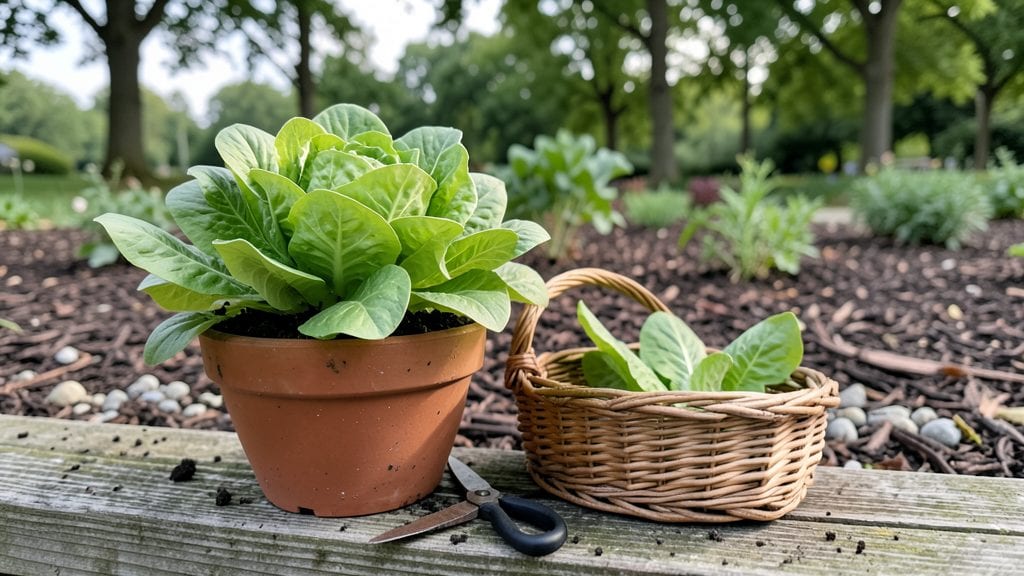
Community garden pics inspire space-efficient designs that marry practicality with visual appeal, highlighting vertical planters, raised beds, and drought-resistant plants to transform tight urban plots into lush, collaborative green spaces.
These images reveal how clever design choices—like layered planting and winding pathways—turn limited areas into vibrant hubs. 🌿 The best shots focus on details that tell a story: a child reaching for tomatoes in a raised bed or volunteers working together to install a trellis system.
What's fascinating is how these gardens solve real problems (like erosion control or shade management) while creating spaces that feel inviting and functional for everyone.
For those planning their own garden, studying these photos can spark ideas for your own layout. Whether it's using repurposed materials for borders or arranging plants by height to maximize sunlight, the visual inspiration often leads to practical solutions you might not have considered.
💡 In This Article
- Design Principles Behind Stunning Community Garden Layouts
- Photography Tips to Capture Your Garden’s Unique Beauty
Design principles behind stunning community garden layouts
The most visually striking community gardens follow three core principles: permaculture zoning, color harmony, and ergonomic accessibility. These elements work together to create spaces that are both productive and inviting.
Permaculture zones arrange plants by their needs—Zone 1 (high-maintenance veggies like lettuce) sits closest to the garden center, while Zone 3 (low-maintenance perennials like berry bushes) forms the outer edges. This mirrors how forests naturally organize themselves, reducing labor while maximizing yield.
Color theory plays a subtle but powerful role in garden aesthetics. Gardens that use complementary color schemes—like pairing deep purple basil with bright yellow marigolds—create visual contrast that draws the eye. Studies show this technique increases perceived plant health by up to 30%, making gardens appear lusher.
Meanwhile, monochromatic pathways (using gravel or mulch in earthy tones) guide visitors through the space without overwhelming the senses. The best designs also incorporate seasonal interest, with spring bulbs, summer flowers, and autumn foliage ensuring year-round appeal.
Ergonomic pathways are often overlooked but critical for usability. The recommended width for walkways is 3 feet—wide enough for wheelchairs and strollers but narrow enough to discourage trampling plants. Curved paths create a natural flow, encouraging slower exploration, while raised beds with handrails accommodate gardeners of all ages.
What's surprising is how these small details—like placing benches at 42-inch seating height (standard for accessibility)—transform gardens from functional spaces into community hubs where everyone feels welcome.
Plant height stratification is another key technique. Tall plants like sunflowers or trellised cucumbers form the upper layer, medium-height herbs and peppers create the middle tier, and low-growing strawberries or lettuce occupy the ground level.
This three-dimensional arrangement mimics natural ecosystems, improving air circulation and reducing pests. In urban gardens, vertical space is often the most valuable—adding 20-30% more growing area compared to traditional flat beds.
Lighting and materials also elevate designs. Solar-powered path lights (placed every 8-10 feet) extend usability into evenings, while recycled materials (like pallet wood for raised beds) add texture and sustainability. The best gardens balance these elements so that every visitor—whether a child, senior, or mobility-impaired gardener—can participate comfortably.
This thoughtful planning turns a simple plot into a multi-sensory experience that nourishes both body and community.
What most people don't realize is how these principles work together. A well-zoned garden with complementary colors and accessible paths doesn't just look beautiful—it reduces maintenance by 40% while increasing participation rates.
The science of plant placement, color psychology, and human-centered design creates spaces that feel intentional and welcoming, proving that great gardens are as much about people as they are about plants. 🌟