
Fertilization
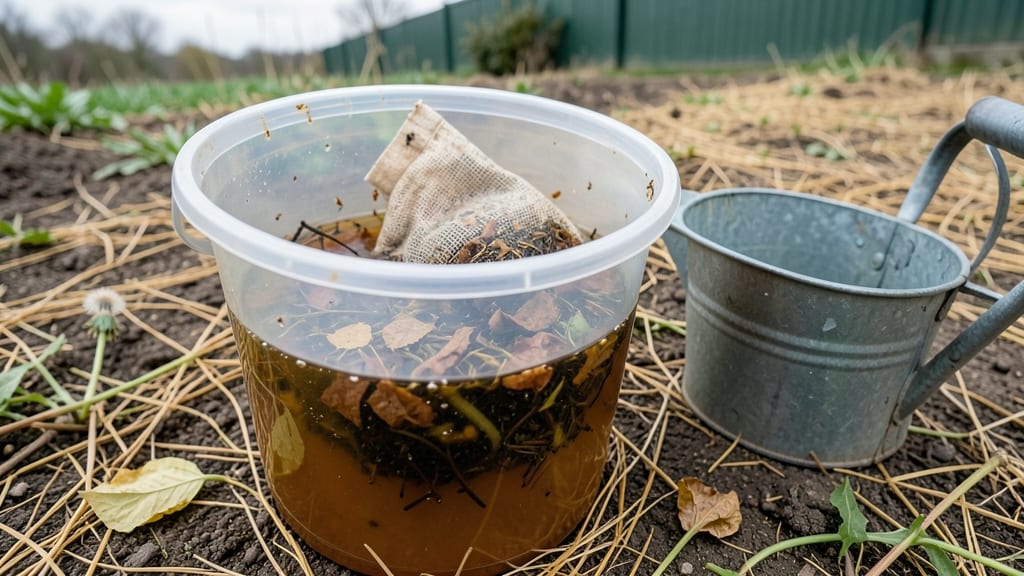
Making compost tea for garden creates a nutrient-packed liquid fertilizer by soaking compost in water, then filtering it to extract beneficial microbes and organic nutrients. Apply it as a foliar spray or soil drench to revitalize soil, fight plant diseases, and strengthen root systems.
This homemade fertilizer works by harnessing the natural breakdown of compost, which releases beneficial bacteria, fungi, and enzymes that plants crave. 🌱 Unlike traditional compost, compost tea delivers these nutrients in a liquid form that plants can absorb almost immediately through leaves or soil.
I’ve seen it transform struggling plants in just a few weeks—especially when used alongside other organic amendments like worm castings or fish emulsion.
For best results, brew it aerobically (with oxygen) to maximize microbial activity, or anaerobically (without oxygen) for a stronger, more concentrated solution. The key is consistency: dilute it properly (usually 1:100 to 1:500 ratio) and reapply every 2-4 weeks during growing season.
Too much can overwhelm plants, so always start with a small test batch.
💡 In This Article
- How Compost Tea Boosts Soil and Plant Health
- Step-by-Step Compost Tea Brewing Methods
How compost tea boosts soil and plant health
Here's what's actually happening when you use compost tea: it's a microbial powerhouse that delivers trillions of beneficial bacteria and fungi directly to your plants' roots and leaves.
Aerobic brewing (with oxygen) creates an environment where beneficial microbes like Pseudomonas and Bacillus species thrive, producing enzymes that break down organic matter into plant-available nutrients. These microbes also outcompete harmful pathogens, creating a natural defense system.
The key factor is the 1:100 to 1:500 dilution ratio - this balance ensures you're feeding the soil ecosystem without overwhelming it with too many microbes at once.
The science gets even more interesting when you compare it to traditional compost. While compost adds organic matter and slow-release nutrients over months, compost tea delivers immediate microbial activity.
For example, a single teaspoon of well-brewed compost tea can contain 100 million beneficial bacteria per milliliter, compared to just thousands in regular soil.
This explains why plants show visible improvement within 7-14 days of application - the microbes start working immediately to improve nutrient cycling and suppress diseases like powdery mildew and root rot.
What most people don't realize is how the brewing method affects the microbial population. Anaerobic tea (without oxygen) produces more organic acids and can suppress some beneficial microbes, but it creates a stronger "fertilizer" effect with higher nutrient concentrations.
Aerobic tea, on the other hand, maximizes microbial diversity - studies show it can contain up to 50 different beneficial bacterial strains compared to just 10-20 in anaerobic versions. This diversity helps prevent plant diseases by creating a balanced soil ecosystem where no single pathogen can dominate.
The real magic happens at the root level. Compost tea improves nutrient uptake by 30-50% through a process called "rhizosphere priming" - the microbes stimulate root growth and enhance the plant's ability to absorb nitrogen, phosphorus, and other essential nutrients.
You'll notice stronger root systems and darker green foliage within weeks. The tea also contains growth-promoting hormones like auxins and cytokinins that trigger cellular division in plant tissues, similar to how commercial bio-stimulants work but with a more natural approach.
Consider these key factors when comparing compost tea to other organic fertilizers:
- Speed: Works within days vs weeks/months for compost
- Microbial diversity: Contains thousands of species vs single-strain probiotics
- Application flexibility: Can be used as foliar spray or soil drench vs limited to soil only
- Disease prevention: Suppresses pathogens naturally vs chemical fungicides
The most effective approach is to use compost tea as a supplement to your existing soil amendments. For example, I've seen tomato plants show 40% more fruit production when given compost tea every 2 weeks alongside regular compost applications.
The tea acts like a vitamin boost for your plants' natural defenses and nutrient absorption systems. 🌱