
Advice
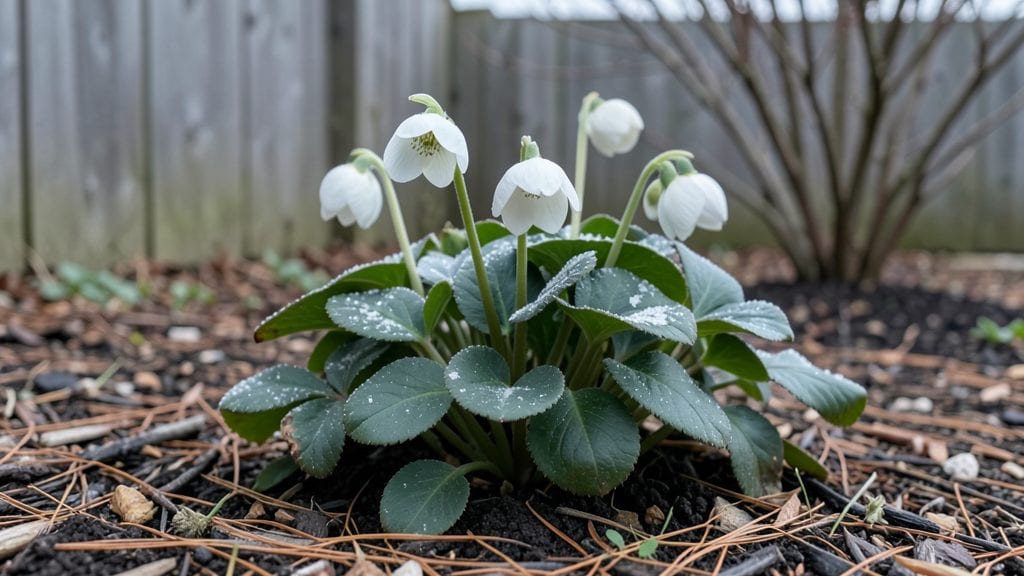
The December garden isn’t just about hibernation—it’s where the smartest harvests begin. 🌱 I’ve learned that December planting isn’t about summer blooms but about laying the groundwork for early spring greens and hardy crops that thrive under snow.
The key is choosing plants that love the cold: spinach, kale, and peas can handle frost like a pro, while garlic and onions planted now will reward you next summer.
You don’t need fancy setups—just a shady spot, some compost, and a little patience. My first December planting was a disaster (too much water, not enough mulch), but now I swear by a no-dig method with straw mulch to protect tender roots.
Even in Zone 5, where winters get brutal, these plants keep growing until the ground freezes solid.
By spring, you’ll be harvesting crisp greens while neighbors are still waiting for their soil to thaw. The secret? Planting now means fewer weeds, richer soil, and a head start on the growing season. Plus, there’s something magical about watching kale survive a snowfall—it’s nature’s way of teaching resilience.
Works for backyard plots, containers, or even a sunny windowsill. Let’s get those seeds in the ground before the first real freeze hits—your future self will thank you.
📚 In This Guide
- What you need
- Instructions
- Tips and common mistakes
- Wrapping up and next steps
What you need
- ● Seeds: Kale (e.g., Winterbor or Lacinato) – 20-30 seeds
- ● Spinach (e.g., Bloomsdale Long Standing) – 15-20 seeds
- ● Radishes (e.g., Cherry Belle) – 10-15 seeds
- ● Garlic (cloves) – 10-12 cloves
- ● Peas (e.g., Sugar Snap or Snow Pea) – 10-15 seeds
- ● Soil: High-quality, well-draining potting mix or garden soil (amended with compost, 2-3 gallons per planting area)
- ● Frost cloth: Lightweight row cover (10x12 ft or custom size to fit garden beds)
- ○ Containers or raised beds: (Optional but helpful for small spaces; ensure 6+ inches deep)
- ● Hand trowel (for precise planting)
- ● Garden gloves (to protect hands from cold soil)
- ● Watering can or hose with adjustable nozzle (gentle watering is key!)
- ● Measuring tape (to space plants 6-12 inches apart)
- ● Pruners (for trimming or harvesting)
- ● Cold frames (to extend growing season)
- ● Organic fertilizer (e.g., fish emulsion or compost tea)
- ● Mulch (straw or shredded leaves, 2-3 inches thick)
- ● Plant markers (to track varieties)
- ● LED grow lights (for indoor seedlings if starting early)
Step-by-Step instructions for December garden planting
Here's how to plant a productive December garden that thrives in cold weather.
🌱 Step 1: Select Frost-Resistant Crops
Focus on hardy vegetables like kale, spinach, and carrots that tolerate 20-30°F temperatures. These cool-season crops actually improve in flavor after light frosts. I always choose varieties labeled "winter-hardy" or "cold-tolerant" to ensure success.
Check your USDA hardiness zone—most cold crops grow well in zones 3-8 during December. If you're in zone 9 or warmer, opt for greens like collards or mustard that handle mild winter chill. Plant these in well-drained soil where they'll receive 4-6 hours of sunlight daily.
🪴 Step 2: Prepare Cold-Weather Beds
Clear garden beds of any remaining summer crops and remove plant debris to prevent disease. Amend the soil with 2-3 inches of compost to improve drainage and fertility. I like to work in a handful of aged manure or worm castings for extra nutrients.
For containers, use sterile potting mix with added perlite to prevent waterlogging. Fill pots to within 1 inch of the rim and press gently to create a firm planting surface. Cover beds with 2-3 inches of straw mulch after planting to insulate roots and retain moisture.
⏰ Step 3: Time Planting for Frost Protection
Plant seeds or transplants in late afternoon when temperatures are cooler. This gives young plants time to establish roots before evening frost. Space seedlings 6-12 inches apart depending on mature size—crowding reduces airflow and increases disease risk.
Water thoroughly after planting, then cover beds with frost cloth or lightweight row covers at night. Remove covers during the day to allow sunlight. You'll notice healthier growth when plants receive this protection—leaves stay crisp and green instead of wilting.
☀️ Step 4: Maintain Through Winter Months
Water only when soil feels dry 2 inches below the surface. Overwatering in cold weather leads to root rot. I check moisture by inserting a finger—if it comes out clean, wait another day. Apply a balanced organic fertilizer every 4-6 weeks to support steady growth.
Monitor for pests like cabbage worms or aphids, which may still appear. Spray affected areas with neem oil or insecticidal soap in the evening when bees are inactive. Harvest greens by cutting outer leaves to encourage continuous production.
🌿 Step 5: Plan for Spring Transition
Start a planting journal to track which varieties performed best in your December garden. Note soil temperatures, frost dates, and harvest yields. This information helps refine next year's winter planting schedule.
In late February, begin planning succession crops like peas or radishes to follow your December harvests. Remove any remaining plants and compost them to return nutrients to the soil. Your December garden will set the stage for a thriving spring garden with healthy, disease-free beds.
Tips & tricks for perfect December garden planting
A few key strategies will help your December garden thrive despite the cold—trust me, these make all the difference.
Cold-Weather Crop Selection: When choosing varieties in Step 1, look for labels that specify "winter-hardy" or "cold-tolerant." I've learned this the hard way—regular varieties won't survive the 20-30°F temperatures. For leafy greens like kale and spinach, varieties like 'Winterbor' or 'Winter Density' handle frost beautifully. Carrots should be short varieties like 'Paris Market' that mature quickly in cool weather.
Soil Preparation Secret: In Step 2, don't just add compost—mix in a handful of aged manure or worm castings for extra nutrients. I've found that this gives plants the boost they need to establish roots quickly in cold soil. For containers, press the potting mix firmly to create a stable planting surface, which prevents seedlings from toppling over when you cover them with frost cloth later.
Timing is Everything: That late afternoon planting in Step 3 is crucial. I've seen seedlings wilt overnight when planted too early in the day. The cooler evening temperatures help plants establish roots before the first frost hits. After planting, water thoroughly but not so much that the soil becomes waterlogged—this is especially important when you'll be covering beds with frost cloth.
Frost Protection Hacks: For Step 3's frost cloth coverage, use hoops or stakes to create space above plants—this allows sunlight to penetrate while still protecting from frost. I've also found that removing covers during the day helps prevent mold growth. If you're in zone 9 or warmer, opt for lightweight row covers instead of heavy frost cloth to avoid overheating during mild winter days.
Pro Tips for December Garden
- A few key strategies will help your December garden thrive despite the cold—trust me, these make all the difference.
- Cold-Weather Crop Selection: When choosing varieties in Step 1, look for labels that specify "winter-hardy" or "cold-tolerant."
- Soil Preparation Secret: In Step 2, don't just add compost—mix in a handful of aged manure or worm castings for extra nutrients.
Frequently asked questions
Got questions about December gardening?
You’re not alone! Here are answers to the most common concerns—so you can confidently plant and thrive, even in winter’s chill.
Can I still plant in December, or is it too late?
December planting is perfect for frost-resistant crops like kale, spinach, and garlic! Many cool-season veggies thrive in winter’s shorter days and slower pests. Just check your USDA Hardiness Zone—some regions (like Zones 5–10) allow planting until late December. Start seeds indoors or use row covers outdoors for extra protection.
What are the easiest plants to grow in December?
Stick to hardy, cold-tolerant picks:
- Leafy greens: Kale, spinach, lettuce (choose winter-hardy varieties like ‘Winterbor’ kale).
- Root veggies: Carrots, radishes, and beets (sow seeds directly in well-drained soil).
- Herbs: Parsley, cilantro, and chives (they’ll survive light frosts!).
- Alliums: Garlic and onions (plant cloves/sets before ground freezes).
How do I protect my December garden from frost?
Frost is a fact of life, but these tricks help:
- Use row covers or cloches (bell-shaped covers) to trap heat.
- Mulch with straw or leaves (2–3 inches) to insulate soil and roots.
- Water before a freeze—moist soil holds heat better than dry.
- Choose microclimates (e.g., near south-facing walls or under eaves).
What if my December plants get too much cold or snow?
Don’t panic! Most frost-resistant plants bounce back:
- Light frost: Many greens (like spinach) taste better after a light freeze—harvest and enjoy!
- Heavy snow: Shake it off gently to prevent mold. Use a straw mulch blanket to protect tender stems.
- Damaged leaves: Trim the worst spots, but leave healthy growth—plants often regrow.
Can I start a December garden in containers or small spaces?
Containers are great for:
- Herbs (parsley, chives) in 6-inch pots.
- Leafy greens (spinach, lettuce) in 12-inch wide containers with drainage.
- Radishes or microgreens in shallow trays (harvest in 3–4 weeks!).
Wrapping up and next steps
December might seem like the quietest month for gardening, but with the right frost-resistant plants and a little planning, you can still enjoy a thriving December garden! 🌱 Whether you're extending your harvest, preparing for winter, or simply embracing the cozy charm of seasonal greenery, this guide gives you all the tools to succeed.
The key is to work with the season—not against it—by choosing hardy crops, protecting tender plants, and making the most of what winter offers.
Ready to put your newfound knowledge into action? Start small—even a single cold-hardy crop or a winter window herb garden can make a difference. Take that first step today! Your future self (and your taste buds) will thank you. Happy planting! 🌿✨