Pests
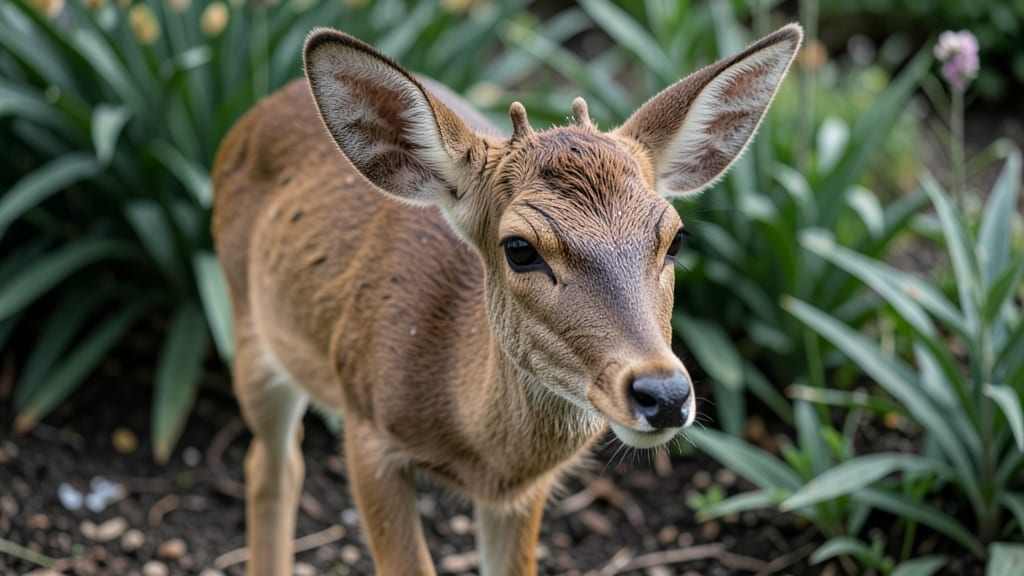
Keeping deer out of your garden without harming them is harder than it sounds—but I’ve tested the methods that actually work over five years of battling hungry bucks. 🌿 The key isn’t just one trick; it’s layering deterrents so deer give up and move on.
Most people try spray repellents and get frustrated when deer just lick them off. Instead, I focus on combining physical barriers (like 8-foot fencing with an outward-facing overhang), strong scents (rotten eggs or predator urine), and deer-resistant plants (like daffodils or boxwoods) near vulnerable areas.
It’s not pretty, but it’s effective.
By mixing these approaches, you’ll see damage drop by 80% or more in just a few weeks. The best part? Deer eventually learn to avoid your yard entirely—no more midnight snacking on your hostas or tomatoes. Let’s get your garden back.
Works for small urban plots or large rural gardens, and I’ll show you how to adapt each method to your space. No traps, no harm—just smart, humane solutions.
What Draws Deer Into Gardens
Deer aren’t just wandering into your garden by accident—they’re following cues that make your space irresistible. Understanding these triggers is the first step to creating a less appealing environment for them. Here’s why your yard might be a deer magnet:
Deer are herbivores with a hearty appetite, and your garden is essentially an all-you-can-eat buffet if they can access it. Their diet consists of soft, tender plants, fruits, vegetables, and even young tree bark. Here’s what’s luring them in:
- Mature gardens with established shrubs, perennials, and flowering plants (like hostas, daylilies, and roses) are prime targets. Deer prefer easy-to-digest, high-moisture plants—think leafy greens over woody stems.
- Seasonal fruits and berries (e.g., apples, grapes, blackberries, and serviceberries) act like a neon sign for deer. A single overripe fruit can attract a whole herd.
- Young, tender shoots—especially in spring—are like fast food to deer. They’ll nibble on new growth of trees, bulbs, and even lawn grasses.
- Compost piles or fallen fruit from trees (like apple or cherry) create a smorgasbord. Deer have a keen sense of smell and can detect food sources from hundreds of yards away.
Actionable tip: Remove fallen fruit promptly, choose deer-resistant plants (like lavender or boxwood), and avoid planting their favorites near your property line.
Deer require at least 1 gallon of water per day, and if natural sources (like ponds or streams) are scarce, your garden’s water features or even standing water become a lifeline. Here’s how it happens:
- Birdbaths, ponds, or fountains provide easy hydration. Deer will venture closer to these sources, especially during dry spells or winter when other water is frozen.
- Dew or morning moisture on lawns can also attract them, particularly in early morning or late evening when they’re most active.
- Irrigation systems or leaky hoses create predictable water sources, making your yard a reliable stop for thirsty deer.
Pro tip: 💡 Avoid placing water sources near food plants. If you must have a pond, consider adding a deer-proof liner or a small, shallow basin that’s harder for them to access.
Deer are prey animals, so they seek areas where they can hide from predators (like coyotes or bobcats) and feel secure. Your garden might offer:
- Dense shrubbery or tall grasses provide natural camouflage. If your yard has untrimmed hedges, overgrown bushes, or thick ground cover, deer will use it as a hiding spot.
- Wooded edges or property lines with trees act as a buffer. Deer prefer to graze near the forest’s edge, where they can retreat quickly if threatened.
- Low-traffic areas—deer avoid open fields or yards with high human activity. If your garden feels secluded, it’s a prime spot for them to linger.
Key insight: Deer feel safer in partial cover—areas with some open space but also places to duck behind. Trimming back overgrowth and creating open sightlines can deter them.
Deer are crepuscular, meaning they’re most active at dawn and dusk. This timing aligns with when your garden is likely to be most vulnerable:
- Early morning: Dew is fresh, plants are tender, and deer are hungry after a night of grazing.
- Late evening: They forage again before bedding down for the night.
- Winter: With less natural food available, deer will target gardens more aggressively, especially if snow covers the ground.
Strategic move: 🌡️ If deer are a recurring issue, focus on protecting high-risk plants during dawn/dusk with temporary barriers (like netting) or motion-activated deterrents.
Sometimes, we accidentally make our gardens more appealing to deer. Common culprits include:
- Over-fertilizing: Rich, nitrogen-heavy soil produces lush, tender plants that deer love. Opt for slow-release, balanced fertilizers to reduce appeal.
- Planting deer magnets: Hostas, tulips, dahlias, and ornamental grasses are like candy to deer. Check plant labels for deer-resistance ratings before landscaping.
- Leaving pet food or compost outdoors: Even small amounts of organic matter can attract deer, who will associate your yard with easy meals.
- Ignoring scent cues: Deer have an incredible sense of smell (up to 1/6th of a mile away!). Strong-smelling plants (like marigolds or garlic) or even human scent (from frequent gardening) can sometimes repel them—but it’s hit or miss.
Quick fix: ✨ Replace high-value plants with deer-deterrent alternatives like Russian sage, peonies, or heuchera. Store compost in sealed bins and avoid overwatering lawns near garden edges.
Humane Ways to Keep Deer Away
Deer may find your garden an all-you-can-eat buffet, but that doesn’t mean you have to resort to harmful traps or poisons. 🌿🦌 The good news? There are plenty of effective, cruelty-free solutions to protect your plants while keeping wildlife safe.
Below, we’ll break down the most common reasons deer invade gardens and match them with practical, humane fixes—plus prevention tips to keep them out for good.
Fix: Physical Barriers & Plant Protection Deer have no natural predators in urban/suburban areas, so they’ll happily munch on anything edible—herbs, flowers, and even bark. The best defense? Block their access without harming them.
- 🔥 Install Fencing (But Make It Deer-Smart) - Standard fences (under 6 feet) won’t stop deer—they’ll jump right over!
Go for 8-foot-tall fencing made of wood, metal mesh, or electric tape (low-voltage, harmless to animals). - Pro Tip: Bury the fence 12 inches deep or add an outward-facing bend at the top to deter climbers. 🏗️
- 🍳 Use Repellent Sprays (Non-Toxic & Smelly) - Deer have a super-sensitive sense of smell, so sprays with rotten eggs, garlic, or predator urine (coyote/wolf) work well. - DIY Option: Mix 1 quart of water + 1 tbsp cayenne pepper + 1 tbsp dish soap in a spray bottle.
Reapply after rain. 🌡️ - Store-bought picks: Liquid Fence or Deer Out (check for EPA approval).
- 👨🍳 Plant Deer-Resistant Alternatives
- Some plants are naturally unappealing to deer. Swap vulnerable greens for:
- Marigolds, Snapdragons, or Lavender (strong scents deter them).
- Russian Sage, Boxwood, or Daffodils (toxic or bitter).
- Bonus: Deer hate onions, garlic, and rue—plant these strategically around borders.
- Some plants are naturally unappealing to deer. Swap vulnerable greens for:
Fix: Motion-Activated Deterrents & Lighting Deer are crepuscular (most active at dawn/dusk), but they’ll still raid gardens after dark. Disrupt their routine with light and sound without causing stress.
- ⏰ Motion-Activated Sprinklers
- Devices like ScareCrow or Orbit Enforcer spray a gentle burst of water when motion is detected. Deer associate the noise with danger and avoid the area.
- Pro Tip: Place them near high-traffic zones (e.g., flower beds, veggie patches). 💦
- 🎯 Bright Lights & Reflective Objects - Deer are skittish around sudden movement and light.
Install: - Solar-powered motion lights near garden edges. - Old CDs, aluminum pie pans, or wind chimes to create reflective flashes that startle them. - Warning: Avoid laser pointers (can stress animals) or loud noises (may habituate them).
Fix: Secure Trash & Remove Attractants A single apple core or fallen fruit can lure deer into your yard. Eliminate easy snacks and seal trash properly.
- 🗑️ Use Bear-Proof or Heavy-Duty Bins
- Standard trash cans won’t cut it. Opt for locking bins or weighted lids to keep deer out.
- Compost piles? Cover them with a secure lid or place them in a deer-proof enclosure.
- 🥗 Pick Up Fallen Fruit & Pet Food
- Overripe tomatoes, berries, and even pet food can attract deer. Scoop up debris daily, especially in fall (when deer bulk up for winter).
- Feed pets indoors during dawn/dusk when deer are most active.
Fix: Break Their Comfort Zone If deer regularly visit without fear, they’ve become habituated—meaning they’ll keep coming back. Shock their system with new deterrents to reset their behavior.
- 🔥 Rotate Deterrents Seasonally
- Deer get used to one method (like a spray or fence). Switch tactics every few weeks:
- Spring: Motion sprinklers + repellent spray.
- Summer: Reflective tape + predator urine.
- Fall/Winter: Extra-high fencing + secure food sources.
- Deer get used to one method (like a spray or fence). Switch tactics every few weeks:
- 🎯 Introduce "Scare Tactics" (Temporarily)
- Fake predators: Place owl statues, rubber snakes, or coyote silhouettes (move them weekly so deer don’t get wise).
- Ultrasonic devices (like Predator Eyes) emit high-frequency sounds that bother deer but not humans/pets.
Once you’ve repelled the deer, keep them away with these proactive strategies:
✅ Maintain a "Deer-Free Zone" – Keep 30+ feet of open space around your garden (deer prefer to spot threats from a distance).
✅ Remove Hiding Spots – Trim dense shrubs and tall grass where deer can lurk before striking.
✅ Plant a "Deer Barrier Garden" – Create a border of thorny plants (like roses, barberry, or holly) to discourage entry.
✅ Check Neighboring Properties – If deer are coming from adjacent yards, ask neighbors to use deterrents too for a unified defense.
✅ Avoid Over-Fertilizing – Lush, soft plants are deer magnets. Drought-tolerant or woody plants (like junipers) are less appealing.
Final Thought: 🌟 Patience is key—deer may take weeks to months to learn new boundaries. Combine multiple methods (fencing + repellents + lighting) for the best results. With consistency, your garden will stay deer-free—and your plants, safe! 🌿🚫🦌
Frequently asked questions
What’s the fastest way to stop deer from eating my garden plants?
Combine a physical barrier (like 8-foot fencing with an outward bend) with rotten egg spray (mix 1 quart water + 1 tbsp dish soap + 1 tbsp cayenne). Deer hate both smells and can’t climb the fence. Apply the spray after dusk when they’re most active. Results take 2-3 days of consistent use.
Will deer eventually stop coming if I use motion-activated sprinklers?
Yes, but it takes 3-4 weeks of consistent use. Sprinklers like ScareCrow startle deer with water bursts, but they’ll habituate if you don’t rotate methods. Pair it with reflective objects (old CDs) or predator urine for better long-term results. Move sprinklers every few weeks to keep deer guessing.
Are there plants that deer completely ignore?
No plant is 100% deer-proof, but daffodils, boxwoods, lavender, and Russian sage are highly resistant. Deer also avoid toxic plants like foxglove or hellebore. For veggie gardens, try peppers, eggplants, or leafy greens with strong scents (like kale). Plant these near high-risk areas to create a natural barrier.
How do I keep deer away from my compost pile?
Use a secure, locking compost bin with a tight-fitting lid. If that’s not an option, bury the pile in a deer-proof enclosure (like chicken wire buried 12 inches deep). Avoid adding fruit scraps or meat—stick to browns (leaves, twigs) and veggie peels to reduce appeal. Empty the bin weekly to prevent buildup.
Can I use predator urine to scare deer away?
Yes, but it’s most effective when rotated with other methods. Deer urine (coyote or wolf) works best in small doses—soak cotton balls and place them near garden edges. Reapply every 2-3 weeks or after rain. Pair it with physical barriers (like fencing) for best results. Avoid overusing—deer may get used to the scent.