
Light Requirements
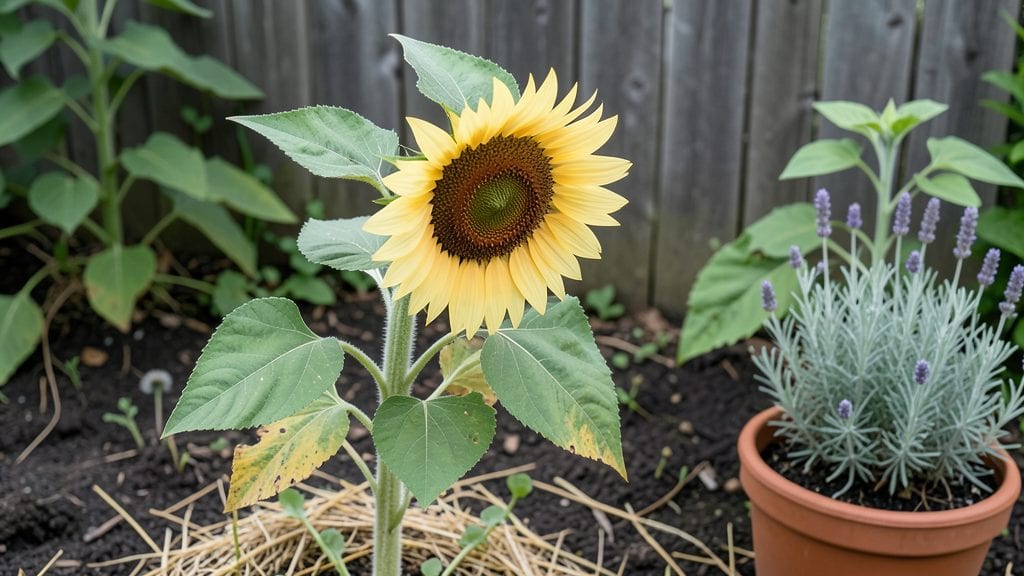
Gardens don’t always need full sun—light needs depend entirely on plant type, with some plants thriving in partial shade (4-6 hours of sunlight) while others absolutely require full sun (6+ hours). Shade-loving varieties like ferns and hostas do best with filtered light, while sun-hungry plants such as tomatoes and peppers demand bright, direct sunlight for peak growth and fruiting.
Not every plant craves six or more hours of direct sunlight, and forcing full sun on shade-lovers can actually stress them out. 🌿 For example, impatiens and astilbes will wilt in harsh light, while sunflowers and marigolds will bolt or produce fewer blooms if deprived of their light requirements.
The key is matching plants to their natural light preferences—your garden’s microclimate (like morning sun vs. afternoon shade) plays a huge role in what will thrive there.
Even in sunny climates, many gardeners create layered spaces where shade-tolerant plants soften the edges of full-sun beds. This approach not only diversifies your garden’s aesthetics but also extends the growing season for heat-sensitive crops.
For instance, leafy greens like lettuce and spinach often bolt in full sun during summer but flourish in partial shade when temperatures rise.
💡 In This Article
- How Sunlight Affects Plant Growth and Health
- Best Plants for Low-Light and Shaded Gardens
How sunlight affects plant growth and health
Sunlight is the fuel that drives photosynthesis—the process where plants convert light energy into chemical energy to grow. Chlorophyll, the green pigment in leaves, absorbs light primarily in blue and red wavelengths, which are most effective for energy production.
Full-sun plants like sunflowers and tomatoes need at least 6-8 hours of direct sunlight daily to maximize photosynthesis, producing 20-30% more glucose than shade-adapted species. This excess energy fuels rapid growth, vibrant blooms, and higher yields. 🌞
The intensity of light also triggers critical metabolic shifts. High-light conditions boost the production of phytohormones like auxin, which regulate cell elongation and flowering.
Sunflowers, for example, grow 20% taller in full sun compared to partial shade, while their flower heads can reach diameters of 12-18 inches—nearly double that of shade-grown specimens.
Conversely, shade plants like impatiens and ferns produce more anthocyanins (red/purple pigments) as a protective response to lower light, which is why their foliage often appears deeper in color.
Light deprivation has measurable consequences. Plants deprived of sufficient light undergo etiolation: they stretch toward light sources, develop weak stems, and produce sparse foliage. This is why tomatoes grown in deep shade may yield 50% fewer fruits and develop a bitter taste due to altered sugar metabolism.
Even shade-tolerant plants like hostas will become leggy and flop over if light levels drop below 3-4 hours daily, losing their compact, lush appearance. 🌱
Flowering is another area where light intensity matters. Many plants rely on a process called photoperiodism, where day length triggers blooming. Full-sun annuals like marigolds and zinnias need bright light to produce abundant flowers, while shade-loving perennials like astilbes may bloom less vigorously in harsh afternoon sun.
The key difference lies in their native habitats: sunflowers evolved in open prairie ecosystems, while impatiens thrive in the dappled light of forest understories.
Light quality also plays a subtle but important role. Blue light (400-500 nm) promotes compact growth and leaf development, while red light (600-700 nm) stimulates flowering. Shade plants often receive more blue light as it penetrates foliage better, which is why they develop denser foliage.
In contrast, full-sun plants receive a broader spectrum, supporting both growth and reproduction. This is why a south-facing window (which receives more red light) might be ideal for growing herbs like basil, while an east-facing spot (richer in blue light) suits leafy greens.
What most gardeners don't realize is that light needs change with seasons. A plant that thrives in 4 hours of morning sun during summer might struggle in winter when daylight shortens. This is why many shade-loving plants go dormant in deep shade during winter months, conserving energy until spring.
Understanding these seasonal shifts can help you rotate crops or adjust plant placements for optimal growth year-round. ✨