
Tools
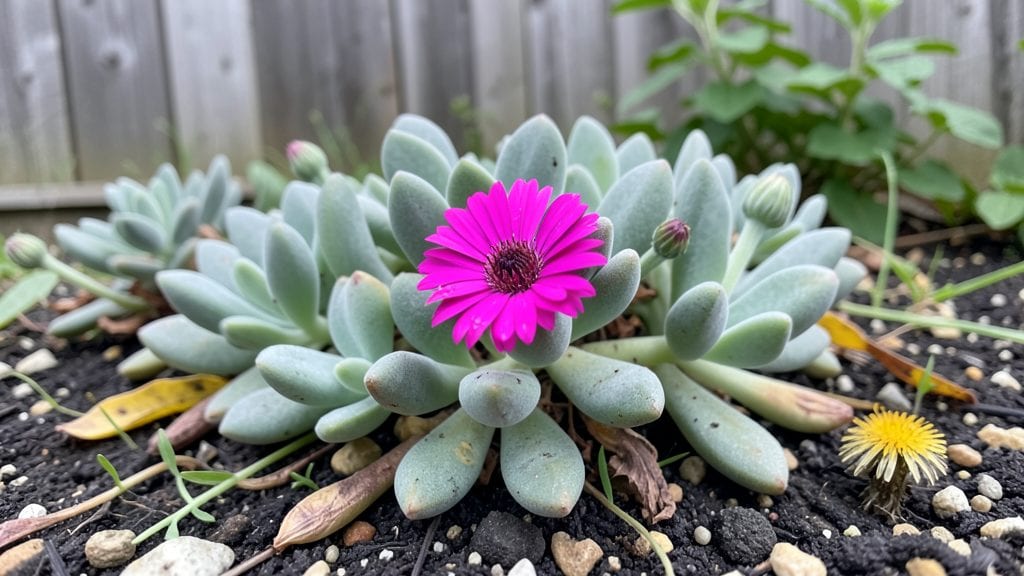
A dragonfly rock garden isn’t just a pretty spot—it’s a living magnet for pollinators that turns your yard into a shimmering, buzzing ecosystem. 🌿 I designed mine after watching dragonflies dart over a neighbor’s pond, and now my garden hums with life while looking like a fairy-tale retreat.
The key? Pairing smooth river rocks with dragonfly-loving plants like bee balm and coneflowers, then adding a shallow water feature to complete the habitat.
The setup is simpler than it looks: gather flat stones for stepping paths, cluster them around a small water dish or bubbling rock fountain, and tuck in flowers that bloom from spring to fall. Dragonflies love the moisture and nectar, while the rocks keep the space low-maintenance.
My garden stays lush with minimal effort—just top off the water weekly and trim spent blooms. The payoff? A front yard that feels like a secret garden, alive with iridescent wings.
You’ll end up with a space that’s both functional and stunning—think jewel-toned blooms against mossy stones, all while doing real good for local wildlife. The dragonflies return every year, and so do the compliments from neighbors who ask how I did it.
The best part? It scales from a tiny balcony planter to a full backyard retreat. Ready to make your garden a pollinator paradise?
Here’s the secret: start small with a single water feature and a few rocks, then expand as you see what works. Even a 3x3-foot patch can become a dragonfly hotspot.
The rocks anchor the design, the water draws them in, and the flowers keep them coming back. It’s gardening that’s equal parts art and activism—beautiful, useful, and alive with movement.
📚 In This Guide
- What you need
- Instructions
- Tips and common mistakes
- Wrapping up and next steps
What you need
- ● Rocks & Stones: Medium to large smooth river rocks (10–20 lbs each, ~10–15 pieces)
- ● Flat stones for stepping stones or ledges (5–10 pieces)
- ● Decorative rocks (e.g., slate, quartz, or granite) for texture (~5–10 pieces)
- ● Water Feature Components: Small solar-powered fountain pump (1–3 GPH, 3–6V)
- ● Flexible tubing (½-inch diameter, 10–15 ft)
- ○ Waterproof speaker (optional, for soothing sounds)
- ● Plants (Pollinator-Friendly): Dragonfly-attracting plants (e.g., butterfly weed, bee balm, or sedum)
- ○ Moss (for softening rock edges, optional)
- ● Tools: Garden shovel & trowel
- ● Wheelbarrow (for hauling rocks)
- ● Level & measuring tape
- ● Landscape fabric (to suppress weeds)
- ● Gravel or sand (for drainage, ~2–3 bags)
- ● LED string lights (for evening ambiance)
- ● Mini bamboo or wooden bridge (for a fairy-tale touch)
- ● Pebble tray or shallow dish (to catch overflow)
- ● Decorative figurines (e.g., dragonflies, frogs, or gnomes)
Step-by-step instructions for building a dragonfly-friendly rock garden
Transform your outdoor space into a pollinator paradise with this easy, nature-inspired design.
🪴 Step 1: Choose and Prepare Your Location
Select a partially shaded area with morning sun and afternoon shade—dragonflies prefer cooler spots near water. Clear away grass and debris from a 4-foot by 4-foot area, then mark the space with landscape stakes. I like to sketch a rough design first to visualize the rock placement and water feature.
Dig a shallow trench about 6 inches deep along one edge to create a small, winding water channel. The channel should be 3-4 inches wide and gradually slope downward. This will serve as both a decorative water feature and a magnet for dragonflies. Smooth the trench edges with a trowel to prevent sharp corners that could harm delicate wings.
💧 Step 2: Layer Rocks for Natural Flow
Start with the largest rocks at the highest point of the trench, creating a gentle cascade. Arrange them in a way that water will naturally flow between the gaps—think of a miniature stream bed. I like to use flat, irregularly shaped stones to mimic a natural watercourse. Leave small spaces between rocks for water to seep through and create mini-pools.
Place a 1-inch layer of small gravel at the bottom of the trench before adding rocks. This improves drainage and prevents soil from clogging the water flow. Test the arrangement by pouring a small amount of water through the rocks—adjust until water flows smoothly without pooling in one spot. Dragonflies will appreciate the gentle, moving water more than stagnant pools.
☀️ Step 3: Add Water and Plant Water-Loving Plants
Fill the trench with water until it reaches about 1 inch deep at the lowest point. Use a gentle stream or small fountain pump (if included in your supplies) to keep the water moving—dragonflies are drawn to flowing water. Add a few flat stones around the edges to create shallow ledges where dragonflies can perch and hunt.
Plant moisture-loving plants like watercress, sedge, or small ferns around the edges of the rock garden. These will thrive in the damp conditions and provide additional habitat for pollinators. Space plants about 6 inches apart to allow room for growth and easy maintenance. Water the plants thoroughly after planting to help them establish roots.
✂️ Step 4: Refine and Add Finishing Touches
Step back and evaluate the garden from different angles. Adjust rock placement if needed to create a more natural, flowing appearance. Add a few larger rocks or boulders around the perimeter to frame the garden and provide additional perching spots for dragonflies. I like to include a mix of smooth and textured stones for visual interest.
Spread a thin layer of organic mulch around the base of plants to retain moisture and suppress weeds. Avoid piling mulch directly against plant stems, as this can cause rot. Once everything is in place, give the garden a final watering to settle the soil and encourage the plants to thrive. Dragonflies will start visiting within a few weeks as they discover the new water source.
🌿 Step 5: Maintain for Long-Term Dragonfly Visits
Check the water level weekly and top off as needed to keep it flowing smoothly. Dragonflies are sensitive to stagnant water, so a consistent flow is key. Trim plants regularly to keep the garden looking neat and to prevent overgrowth from blocking water flow. I like to add a few fresh flat stones each season to keep the garden looking natural and inviting.
Leave some areas slightly wild—dragonflies love dense vegetation where they can hide and hunt. Avoid using pesticides or herbicides near the garden, as these can harm dragonflies and other beneficial insects. With consistent care, your rock garden will become a bustling hub for dragonflies and other pollinators within a few months.
Tips & tricks for building a whimsical dragonfly rock garden
Creating a dragonfly haven takes thoughtful planning—here are my go-to tricks for making your garden both functional and irresistible to pollinators.
Location is Everything: Dragonflies are picky about their homes! The partially shaded spot with morning sun is non-negotiable—this mimics their natural habitat near water. I've found that areas near existing ponds or streams work best because dragonflies will discover your garden faster. If you don't have natural water nearby, position your garden where you'll see it daily so you can monitor water levels and dragonfly activity.
Rock Selection Secrets: Skip the perfectly smooth stones—dragonflies love texture! Collect flat, irregularly shaped rocks with some rough edges for grip. I like to include a mix of sizes: larger rocks create the water feature's structure, while smaller ones fill gaps to create natural-looking mini-pools. Pro tip: Rinse all rocks before placing them to remove any dirt or debris that could affect water quality.
Water Flow Matters More Than Depth: Dragonflies are drawn to moving water, not just any water. The 1-inch depth recommendation is perfect, but the flow is what really attracts them. I've had the most success with a gentle stream created by a small solar-powered pump (they're affordable and eco-friendly). If you're doing it without a pump, arrange rocks to create natural waterfalls—even a simple 2-inch drop will make a difference.
Plant Placement for Pollinator Success: When spacing your watercress, sedge, or ferns 6 inches apart, think vertically too! Plant some taller varieties in the back and shorter ones in front to create layers that dragonflies can use for hunting. I've noticed they particularly love areas with both dense foliage for hiding and open spaces for flying. Leave some bare soil patches too—dragonflies lay eggs in moist soil, so these spots become crucial breeding grounds.
Pro Tips for Dragonfly Rock Garden
- Creating a dragonfly haven takes thoughtful planning—here are my go-to tricks for making your garden both functional and irresistible to pollinators.
- Location is Everything: Dragonflies are picky about their homes!
- Rock Selection Secrets: Skip the perfectly smooth stones—dragonflies love texture!
Frequently asked questions
Got questions about creating or maintaining your own dragonfly rock garden? Here are some of the most common ones—and their answers!
What’s the best time of year to build a dragonfly rock garden?
Spring or early fall is ideal! Avoid extreme heat or frost, which can stress plants and make installation trickier. Early spring lets you establish roots before summer, while fall gives plants time to settle before winter. Just ensure your water source (like a small pump or drip system) is winterized if needed!
How do I keep the water feature from attracting mosquitoes?
Mosquitoes love stagnant water, but dragonflies (and their larvae) are natural predators! Add a small solar-powered fountain or aerator to keep water moving, and include predatory fish (like guppies) or mosquito dun plants (e.g., Typha or Juncus) to outcompete larvae. Empty and scrub containers weekly if using shallow dishes.
Can I use regular garden rocks instead of specialty “dragonfly rocks”?
While store-bought dragonfly rocks (with pre-drilled holes) are convenient, smooth river rocks, slate tiles, or even stacked logs work too. Just ensure they’re stable and can hold moisture near the water’s edge. Pro tip: rough-textured rocks provide better grip for dragonflies to land and hunt!
Will this garden attract bees or wasps alongside dragonflies?
Yes—and that’s great for biodiversity! Dragonflies thrive near bees/wasps because they share similar habitats (ponds, damp soil). To balance the ecosystem, include native wildflowers (like milkweed or coneflowers) to feed pollinators, and avoid pesticides. Dragonflies will help control pests like mosquitoes and flies naturally!
What if my dragonflies don’t show up after a month?
Don’t worry—patience is key! Dragonflies are attracted to moving water and open sunlit areas, so check:
- Is your water feature active (e.g., dripping or bubbling)?
- Are there perching spots (rocks, reeds, or low branches)?
- Is the garden near other water sources (like a pond or stream)?
Wrapping up and next steps
A dragonfly rock garden isn’t just a stunning water feature—it’s a living ecosystem that brings joy to your space while supporting pollinators. 🌿 With the right materials, a little creativity, and patience, you’ve got everything you need to craft a thriving haven that hums with life.
Ready to take the next step? Start small—sketch your design, gather supplies, and let nature do the rest. Your garden (and the dragonflies!) will thank you. 🐉✨