
Advice
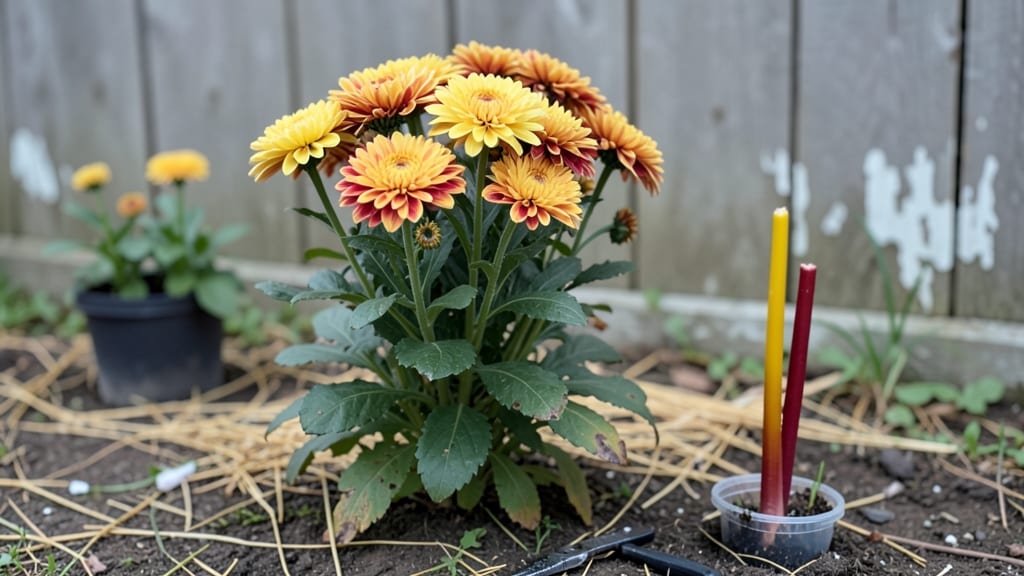
Fall gardening tips can turn your small space into a productive winter wonderland when you focus on the right crops and timing. 🌱 I learned this the hard way—skipping the fall plantings meant bare ground where I could’ve had fresh greens through winter.
The secret is simple: cool-season crops like spinach and kale thrive in cooler temps, while garlic and onions get a head start before winter.
You’ll need just a few supplies: seeds or transplants for your chosen crops, a light layer of mulch to protect roots, and maybe a row cover for frost-sensitive plants. The best part? These crops often taste sweeter after a light frost, and they grow faster than summer veggies.
Even in tight spaces, a 4x8-foot bed can produce enough kale or spinach to feed a family for weeks.
By mid-fall, you’ll be harvesting crisp greens while others are stuck with store-bought lettuce. The soil stays loose and fertile for next spring, and you’ll avoid the spring rush at garden centers. Plus, fall planting means fewer pests—no more battling aphids when your plants are just getting started.
This works for containers, raised beds, or in-ground plots—just adjust the timing based on your first frost date. Whether you’re a beginner or a seasoned gardener, these tips will keep your garden productive long after summer fades. Let’s get those seeds in the ground!
📚 In This Guide
- What you need
- Instructions
- Tips and common mistakes
- Wrapping up and next steps
What you need
- ● Garden soil or compost: 2–3 cubic feet per square foot of garden bed (amend with worm castings or aged manure for nutrient boost).
- ● Fertilizer: Balanced organic fertilizer (10-10-10) or slow-release options like fish emulsion or bone meal for root crops.
- ● Mulch: Straw, shredded leaves, or wood chips (2–3 inches thick) to insulate soil and retain moisture.
- ● Seeds or seedlings: Choose cold-hardy varieties like kale, spinach, carrots, or radishes. Buy 1–2 packets per variety (small spaces = less waste!).
- ● Containers or raised beds: If gardening in pots, use 5–10 gallon containers with drainage holes for root crops.
- ● Hand trowel: For precision planting in tight spaces (look for ergonomic designs!).
- ● Pruners: Sharp, bypass-pruners for trimming herbs or harvesting.
- ● Garden fork: Loosens compacted soil in small beds (avoid tilling—it disrupts soil structure!).
- ● Watering can or hose with nozzle: A 1–2 gallon can works for containers; a soaker hose saves water in beds.
- ● Gloves: One pair of gardening gloves (cactus or heavy-duty for thorny plants).
- ● Row cover or frost cloth: Lightweight fabric to protect tender plants from early frosts.
- ● Seedling heat mat: For extending the season in chilly climates.
- ● Soil thermometer: Ensures seeds are planted at ideal temps (most cool-season crops like soil 50–60°F).
- ● Compost bin: Turn kitchen scraps into gold for next year’s garden!
- ● Plant markers: Label seeds with toothpicks + masking tape to avoid mix-ups.
Step-by-Step fall gardening hacks for small-space success
Extend your growing season with these simple, space-saving strategies that work even in tiny yards or containers.
🌱 Step 1: Clear and Refresh Your Beds
Start by removing spent annuals and weeds—this prevents pests from overwintering and gives your soil a fresh start. I like to use a stiff rake to pull up stubborn roots, then chop any remaining plant debris into small pieces. This "chop-and-drop" method adds organic matter as it breaks down.
Next, spread the 2 inches of compost evenly across the bed. Work it into the top 4-6 inches of soil with a garden fork. This improves drainage and adds nutrients for cool-season crops. If your soil feels compacted, mix in 1 gallon of perlite per 4 square feet to lighten it up.
☀️ Step 2: Choose Fast-Growing, Cold-Tolerant Crops
Focus on plants that thrive in cooler weather and mature quickly, like spinach, kale, radishes, or lettuce. These grow well in 50-60°F temperatures and can handle light frosts. I plant my spinach seeds directly in the soil at a depth of ½ inch, spacing them 1 inch apart in rows 12 inches apart.
For containers, use the 5-gallon pots you already have—just fill them with fresh potting mix and plant 1-2 seedlings per pot. Place pots in a spot that gets 4-6 hours of sunlight daily. If your space gets less light, opt for leafy greens like Swiss chard instead of sun-loving crops.
💧 Step 3: Adjust Your Watering Routine
Fall mornings are cooler, so watering needs shift. Check soil moisture by sticking your finger 1 inch deep—if it feels dry, it’s time to water. I water my fall garden every 2-3 days in the morning, avoiding evenings to prevent fungal diseases. Use the watering can with the rose attachment to direct water at the base of plants, not the leaves.
Mulch newly planted areas with 1-2 inches of straw mulch to retain moisture and regulate soil temperature. This also suppresses weeds, giving your plants less competition. If you notice wilting in the afternoon, give a quick drink—just enough to dampen the soil without soaking it.
✂️ Step 4: Protect Plants from Early Frosts
When nighttime temperatures dip below 35°F, cover tender plants with frost blankets or old bedsheets secured with bricks. I drape mine loosely over plants and leave the edges open for airflow. Remove covers in the morning to let sunlight reach the plants.
For containers, move them to a sheltered spot like a garage or under an eave if frost is forecast. Group pots together to create a microclimate that retains warmth. Harvest any remaining warm-season crops before the first hard freeze—this usually happens around 25°F in most regions.
⏰ Step 5: Plan for Winter and Spring
Use this downtime to sketch a simple garden map. Note which crops thrived and where, so you can rotate them next year. I mark my map with the colored flags to indicate sun exposure and plant placement. This helps prevent soil depletion and pest buildup.
Store any unused potting mix in a dry, labeled container. If you have extra seed packets, keep them in a cool, dark place like a seed catalog box. Label each packet with the year—this prevents mix-ups and ensures you don’t accidentally replant old seeds.
Tips & tricks for perfect fall gardening in small spaces
Small-space gardening in fall can be tricky, but these practical tips will help you maximize your harvest without the headaches.
Soil Prep Secrets: In Step 1, when working that 2 inches of compost into the top 4-6 inches of soil, don't rush the mixing. Break up any remaining clumps with your garden fork—this ensures even distribution of nutrients. If your soil feels particularly dense, add that 1 gallon of perlite per 4 square feet right after mixing. This creates tiny air pockets that help roots breathe, especially important for cool-season crops like spinach and kale that we'll plant next.
Plant Placement Strategy: For Step 2, when choosing your 5-gallon pots, place them on the north side of your patio or deck if you're in the Northern Hemisphere. This gives containers a little extra shade during the hottest part of the day while still receiving those crucial 4-6 hours of sunlight. I've found this simple adjustment helps prevent bolting in lettuce and keeps radishes sweeter. The same logic applies to in-ground beds—plant taller crops like kale on the north side to avoid shading shorter varieties.
Watering Wisdom: That 1-inch soil moisture check in Step 3 is your best friend, but here's what I've learned: In fall, soil stays cooler longer, so you might only need to water every 3-4 days instead of the standard 2-3 days. Always water in the morning—this gives plants time to dry out before evening, which prevents fungal diseases like downy mildew that love the damp, cool fall nights. And when you do water, aim for deep watering rather than light sprinkles—this encourages roots to grow deeper, making your plants more resilient against frost.
Frost Protection Hacks: When temperatures dip below 35°F in Step 4, I've found that using old bedsheets instead of frost blankets works just as well and costs nothing. The key is securing them loosely—tight covers can trap too much moisture and actually cause more damage. For containers, group your 5-gallon pots together and place them against a south-facing wall. This creates a microclimate that can be 5-10°F warmer than the surrounding air, giving your plants extra protection. Remember, once temperatures hit 25°F, it's time to harvest those warm-season crops—don't wait until the last minute!
Pro Tips for Fall Gardening Tips
- Small-space gardening in fall can be tricky, but these practical tips will help you maximize your harvest without the headaches.
- Soil Prep Secrets: In Step 1, when working that 2 inches of compost into the top 4-6 inches of soil, don't rush the mixing.
- Plant Placement Strategy: For Step 2, when choosing your 5-gallon pots, place them on the north side of your patio or deck if you're in the Northern Hemisphere.
Frequently asked questions
Got questions about fall gardening?
You’re not alone! Here are answers to the most common queries to help you make the most of your small-space harvest this season.
What are the best vegetables to plant in fall for a small garden?
Focus on cool-season crops like kale, spinach, carrots, radishes, and lettuce. These thrive in shorter days and cooler temps while fitting neatly into containers or raised beds. Leafy greens and root veggies are ideal for beginners!
When is the ideal time to start fall gardening?
Plant 6–8 weeks before your first frost date for a head start. In most regions, this means late summer (August–early September). Check your local frost dates and aim for seedlings to mature before cold snaps hit. Pro tip: Use a frost calendar to time it perfectly!
Can I use the same soil from spring/summer for fall planting?
Refresh your soil with compost or aged manure to replenish nutrients. Fall crops benefit from well-draining, nutrient-rich soil. If your soil is depleted, mix in a balanced fertilizer (like 10-10-10) or organic matter like straw or leaf mold.
How do I protect my fall garden from pests or frost?
Use row covers, cloches, or straw mulch to shield plants from light frosts. For pests, opt for neem oil or companion planting (e.g., marigolds to deter insects). Quick fix: Harvest before morning frost for tender crops like basil or beans!
What if my fall garden fails due to unexpected cold?
Don’t panic! Extend the season with cold frames or greenhouses. If crops bolt or freeze, replant fast-growing varieties like radishes (ready in 3 weeks) or spinach. Silver lining: Failed crops can be composted for next year’s soil boost!
Wrapping up and next steps
Fall gardening is all about working with nature—not against it! By choosing the right crops, maximizing small spaces, and leveraging seasonal tricks, you can enjoy fresh harvests well into winter.
Whether you’re a beginner or a seasoned green thumb, these tips prove that small gardens can yield big rewards—so grab your gloves and get growing!
Ready to turn your fall garden into a thriving hub? Start by planning your next planting session—sketch a layout, order seeds, and mark your calendar for those crisp autumn days. Happy gardening! 🌱✨