
Companion Plants
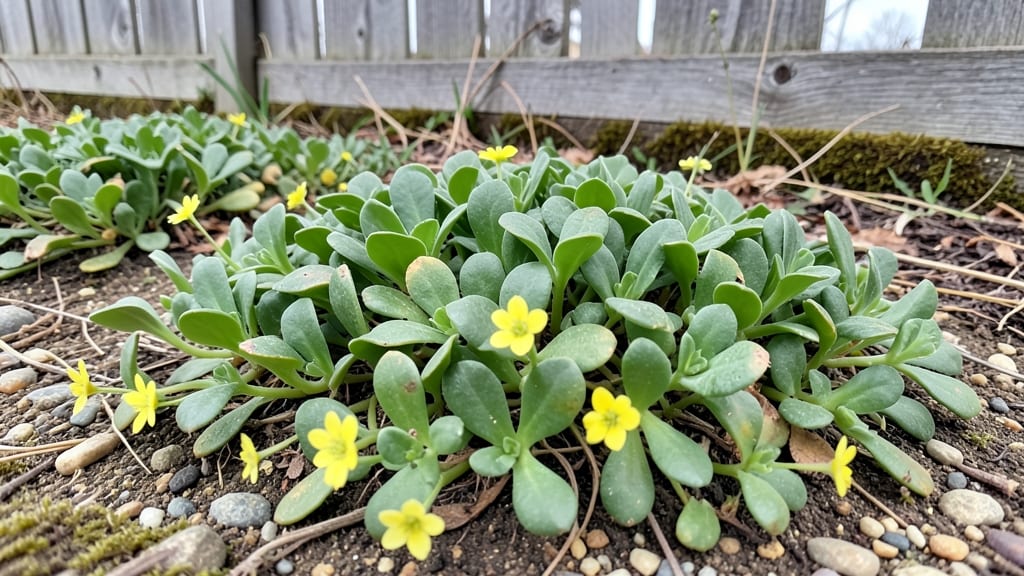
Rock garden ground cover plants turn dry, rocky spaces into vibrant, low-maintenance landscapes that thrive without fuss.
I learned this the hard way after my first attempt at a rock garden turned into a dusty eyesore—until I swapped out thirsty annuals for native, drought-resistant ground covers that now bloom year-round with almost no watering.
The secret lies in choosing plants that spread naturally, suppress weeds, and add texture without overwhelming the rocky terrain.
Think of it as layering a living carpet over your rocks: creeping thyme for its fragrant purple flowers, ice plant for its silvery-blue foliage, and sedum for its succulent, jewel-toned leaves.
These plants don’t just survive—they thrive in poor soil, need minimal care, and create stunning color contrasts against the gray and brown of stones. Plus, they stay compact, so you won’t lose that rugged, natural look you love about rock gardens.
By the end of this, you’ll have a ground cover plan that keeps your garden looking lush and intentional, even during dry spells. The best part? Once established, these plants need almost no maintenance—just occasional trimming to keep them tidy.
Imagine stepping into a garden that stays vibrant all season, with zero guilt about watering bills or weeding sessions.
Whether you’re working with a sunny slope, a shady crevice, or a mixed-light rockery, the right ground covers will transform your space into a drought-proof masterpiece. Let’s pick the perfect plants for your vision—no green thumb required.
Why Ground Covers Struggle
Rock gardens are stunning, but their unique conditions—like poor soil, sharp rocks, and limited moisture—can stress ground cover plants. Understanding the root causes helps you choose the right species and create an environment where they thrive. Here’s why some plants fail in these spaces:
Rock gardens often have shallow, rocky soil that drains too quickly, leaving roots thirsty, or compacted layers that prevent water and oxygen from reaching plants. Many ground covers need moderate moisture retention—not soggy soil, but not bone-dry either.
- Why it happens: Heavy rocks or clay layers block root growth, while sandy or gravelly soils drain too fast, causing dehydration.
- Actionable fix:
- Amend soil with organic matter (compost, leaf mold) to improve structure.
- Use well-draining mixes (e.g., 50% native soil + 30% perlite + 20% compost).
- Avoid tilling heavily—it can worsen compaction.
Rocks absorb and radiate heat intensely, creating microclimates where ground covers bake in sunlight or freeze in cold snaps. Plants sensitive to temperature swings (like many tropical ground covers) wilting or dying back when exposed to these extremes.
- Why it happens: Dark rocks act like heat sinks, raising soil temps by 10–20°F during the day, while nights can drop suddenly in open gardens.
- Actionable fix:
- Choose native or alpine species (e.g., creeping thyme, sedum) adapted to your climate.
- Use light-colored rocks (like quartz) to reflect heat instead of absorbing it.
- Mulch with gravel or bark to stabilize soil temperature.
Rock gardens are prone to drought because water runs off quickly, but overwatering can suffocate roots in poor-draining pockets. Many ground covers thrive on neglect—but even drought-tolerant plants need occasional deep watering to establish roots.
- Why it happens:
- Underwatering: Shallow roots dry out fast, especially in full sun.
- Overwatering: Compacted or low-lying areas trap moisture, leading to rot.
- Actionable fix:
- Water deeply but infrequently (1–2 inches per week, depending on climate).
- Use drip irrigation or soaker hoses to deliver moisture directly to roots.
- Avoid overhead sprinklers—they waste water and encourage fungal issues.
Rock gardens may seem harsh, but they’re hotspots for pests like slugs, vine weevils, and fungal pathogens (e.g., powdery mildew) that thrive in moist, shaded crevices. Weakened plants—often due to stress from other issues—become easy targets.
- Why it happens:
- Slugs/snails: Love the damp, sheltered spaces between rocks.
- Fungal diseases: Spread in poorly ventilated areas with high humidity.
- Insects (e.g., spider mites): Attack stressed plants with dry, dusty foliage.
- Actionable fix:
- Create physical barriers (copper tape, diatomaceous earth) for slugs.
- Space plants 3–6 inches apart for airflow and reduce humidity.
- Use neem oil or insecticidal soap for early pest signs.
Not all ground covers are created equal. Tropical species (like pachysandra) may thrive in shade but bake in full sun, while succulents (like sedum) can rot in heavy clay. Mismatched plants lead to stunted growth, yellowing, or death.
- Why it happens: Gardeners often pick plants based on aesthetics alone, ignoring light, soil, and moisture needs.
- Actionable fix:
- Match plants to your USDA hardiness zone and sun exposure.
- Opt for native or alpine ground covers (e.g., Delosperma, Arenaria)—they’re bred for resilience.
- Avoid heavy feeders (like creeping fig) in nutrient-poor rock soils.
Quick Fixes for Common Ground Cover Struggles
Transforming your rock garden into a lush, low-maintenance paradise is easier than you think! Whether your ground cover is wilting, spreading too aggressively, or failing to thrive, these targeted solutions will help you restore balance—without breaking a sweat.
Below, we’ve mapped common problems to practical fixes, plus prevention tips to keep your garden thriving long-term.
Fix: Amend the soil and improve airflow.
- Step 1: Test your soil’s drainage by digging a 6-inch hole, filling it with water, and timing how long it takes to drain. If it takes more than 10 minutes, your soil is too dense.
- Step 2: Mix in coarse sand, perlite, or gravel (1 part amendment to 3 parts soil) to create pockets for excess water. For rocky gardens, top-dress with pebbles or decomposed granite to mimic natural conditions.
- Step 3: Choose drought-resistant ground covers like sedum, creeping thyme, or ice plant, which thrive in well-draining environments.
💡 Prevention Tip: Avoid overwatering! Let the soil dry out between waterings—most rock garden plants prefer drought conditions once established.
Fix: Targeted treatments and cultural controls.
- Step 1: Identify the culprit:
- Fungal issues (powdery mildew, rust)? Prune affected foliage immediately and apply neem oil or a baking soda spray (1 tsp baking soda + 1 quart water + a drop of dish soap).
- Insects (aphids, spider mites)? Blast off pests with a strong stream of water, then treat with insecticidal soap or horticultural oil.
- Step 2: Improve airflow by thinning out crowded plants or spacing them wider. Mulch with gravel or crushed stone (not organic mulch) to deter soil-borne diseases.
- Step 3: Strengthen plant resilience by fertilizing lightly with a balanced, slow-release fertilizer (like 10-10-10) in early spring.
💡 Prevention Tip: Water in the early morning to allow foliage to dry quickly, reducing fungal spores’ chance to spread.
Fix: Prune strategically and choose the right plants.
- Step 1: For aggressive spreaders (like mint or creeping Charlie), edge with a sharp spade to contain roots. Alternatively, plant in containers and bury them partially in the soil.
- Step 2: For slow-growing but overcrowded plants (like ajuga or lamium), thin out by removing excess stems at the base. Replant cuttings in bare spots to fill gaps.
- Step 3: Opt for clumping ground covers like heuchera, ajuga, or dwarf ferns if you want controlled growth.
💡 Prevention Tip: Group plants by growth habit—fast-spreaders in one area, slow-growers in another—to minimize future headaches.
Fix: Adjust watering and provide shade where needed.
- Step 1: Water deeply but infrequently—most rock garden plants store water in their leaves/stems. Aim for 1–1.5 inches per week (including rainfall).
- Step 2: If plants are scorched, provide afternoon shade with a lightweight shade cloth (30–50%) or plant taller perennials as natural sunbreakers.
- Step 3: Switch to heat-tolerant varieties like sedum ‘Dragon’s Blood,’ delosperma (ice plant), or hens-and-chicks (sempervivum).
💡 Prevention Tip: Mulch with gravel to reflect sunlight and keep roots cooler—this mimics the natural rocky habitat many of these plants prefer.
Fix: Protect roots and choose cold-hardy varieties.
- Step 1: Mulch heavily with 3–4 inches of straw or shredded leaves (but keep it away from stems to prevent rot).
- Step 2: For tender perennials, add a lightweight frost blanket or burlap wrap over the plant in freezing temps.
- Step 3: Replace frost-sensitive plants with hardy options like creeping phlox, sedum ‘Autumn Joy,’ or thyme, which survive down to Zone 3–4.
💡 Prevention Tip: Avoid late-season fertilizing—it encourages new growth that’s vulnerable to frost. Stop feeding by mid-summer.
Fix: Stabilize soil and fill gaps with erosion-resistant plants.
- Step 1: Lay down erosion-control fabric (biodegradable) on steep slopes, then plant deep-rooted ground covers like creeping juniper, licorice plant (Glechoma hederacea), or moss.
- Step 2: For sandy or loose soil, mix in hydroseeding gel or erica mat to hold seeds in place while plants establish.
- Step 3: Choose mat-forming plants like ajuga, sweet woodruff, or dwarf Mondo grass to fill gaps quickly.
💡 Prevention Tip: Plant in layers—start with fast-spreading annuals (like creeping jenipapo) to cover soil immediately, then transition to perennial ground covers for long-term stability.
Final Thought: 🎯 Less is more in rock gardens! Overwatering, over-fertilizing, and overcrowding are the top enemies of ground cover success. Stick to the right plant, right place rule, and your garden will reward you with year-round color and minimal fuss.
Frequently asked questions
What are the best low-maintenance ground covers for rocky, sunny areas?
For full-sun rock gardens, try sedum (like Sedum spurium), ice plant (Delosperma), or creeping thyme. These thrive in heat, need almost no water once established, and add vibrant colors like purple, red, and silver. Their succulent leaves store moisture, making them perfect for dry conditions.
Can I use moss as a ground cover in a rock garden?
Yes! Moss creates a lush, emerald carpet that softens rocky textures. For best results, choose drought-resistant varieties like Hypnum imponens or Polytrichum, and keep the area shaded (moss needs consistent moisture). Avoid moss in full sun—it dries out quickly and turns brown.
How do I prevent ground covers from spreading too aggressively?
Contain fast-spreading plants like creeping Charlie (Glechoma hederacea) or mint by planting them in containers buried at soil level or edging with landscape fabric. For clumping plants (like heuchera), thin them annually to prevent overcrowding. Regular pruning keeps them tidy without sacrificing coverage.
Are there shade-tolerant ground covers for rock gardens?
Try ajuga (bugleweed), sweet woodruff, or dwarf Mondo grass for shady spots. These handle poor soil, stay compact, and add texture with variegated leaves or delicate flowers. Just avoid soggy soil—even shade-loving plants need well-draining conditions.
How often should I water newly planted ground covers?
Water deeply 2–3 times per week for the first month to help roots establish, then taper to once a week (or less in rain). After 6–8 weeks, most drought-tolerant ground covers only need water during prolonged dry spells. Overwatering is the #1 killer—let soil dry between waterings!