
Size
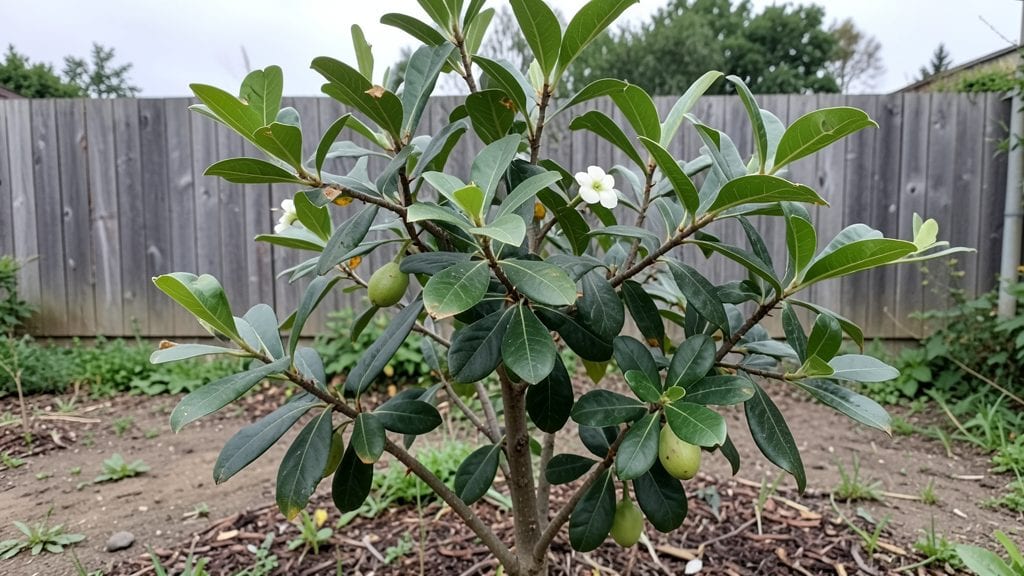
Growing feijoa plants in your garden means you’ll soon be harvesting sweet, guava-like fruit that thrives where most tropical plants fail. 🌱 I planted mine last spring, and by summer, it was already sending out new shoots—proof that feijoas handle cooler climates better than expected, as long as you give them the right conditions.
The key to success starts with soil: feijoas love well-draining, slightly acidic mixes rich in organic matter. A spot with morning sun and afternoon shade works best, especially in hotter zones, and they’ll tolerate light frost once established.
Pruning in late winter keeps them compact and productive, while consistent watering—about 1 inch per week—prevents stress without drowning roots.
By year two, you’ll taste those fragrant, honey-sweet fruits straight off the tree, with harvests lasting from late summer through fall. The plants stay small enough for containers too, making them perfect for patios or small yards.
Just watch for scale insects and keep an eye on soil moisture—those are the biggest hurdles.
Even in cooler regions, feijoas reward patience with years of low-maintenance harvests. Start with one plant, and you’ll likely end up with more—these tropical fruits spread their charm effortlessly. Ready to try?
📚 In This Guide
- What you need
- Instructions
- Tips and common mistakes
- Wrapping up and next steps
What you need
- ● Feijoa plant: 1 young feijoa tree (3–5 feet tall, available at nurseries or online)
- ● OR feijoa seeds (harvested from ripe fruit) for long-term growing
- ● Planting site: Full sun to partial shade (6+ hours of sunlight daily)
- ● Well-draining, slightly acidic soil (pH 5.5–7.0)
- ● Soil amendments (if needed): Compost or aged manure (1–2 gallons per planting hole)
- ● Perlite or sand (for improving drainage in heavy clay)
- ● Tools: Trowel or small shovel
- ● Garden gloves
- ● Watering can or hose with a gentle spray nozzle
- ● Mulch (wood chips or straw) to retain moisture and regulate soil temperature
- ● Fertilizer (balanced 10-10-10 or citrus-specific fertilizer, applied in early spring)
- ● Pruning shears (for shaping and removing dead branches)
- ● Pest control (neem oil or insecticidal soap for aphids or scale)
- ● Cold-frame or frost cloth (if growing in colder climates)
Step-by-Step instructions for planting and growing feijoa trees
Feijoas thrive in small gardens with minimal fuss—here’s how to get them growing strong.
🌱 Step 1: Choose the Right Location and Prepare the Soil
Feijoas love full sun to partial shade, with at least 6 hours of sunlight daily. Pick a spot sheltered from strong winds, as their delicate branches can break easily. I always test the soil first—feijoas prefer well-draining, slightly acidic soil with a pH between 5.0 and 6.5. If your soil is heavy clay, amend it with 2-3 inches of compost mixed into the top 12 inches of soil.
Dig a hole twice as wide as the root ball but no deeper—this encourages roots to spread outward rather than sink too deep. Loosen the sides of the hole gently with a fork to help roots penetrate easily. Feijoas hate soggy feet, so if your garden drains poorly, mound a 6-inch layer of gravel at the bottom before adding soil.
🪴 Step 2: Plant Your Feijoa Tree Correctly
Remove the tree from its container and tease the roots gently if they’re circling. Place it in the hole so the top of the root ball sits level with the surrounding soil—burying too deep suffocates the stem, while planting too high starves the roots. Fill the hole with soil, pressing lightly to remove air pockets but avoiding compaction.
Water deeply right after planting to settle the soil and eliminate air gaps. You’ll know it’s done right when water drains away within 10-15 minutes. Mulch around the base with 2-3 inches of organic mulch, keeping it 3 inches away from the trunk to prevent rot. This keeps roots cool in summer and warm in winter—feijoas handle cold better than most tropical fruits.
☀️ Step 3: Water and Fertilize for Healthy Growth
Feijoas are drought-tolerant once established, but young trees need deep watering once a week during the first year. Water at the base, avoiding the leaves to prevent fungal diseases. You’ll know they’re getting enough when the top 2 inches of soil feel dry between waterings. Overwatering is the fastest way to kill a feijoa—roots rot quickly in soggy soil.
Fertilize lightly in early spring with a balanced 10-10-10 fertilizer, using half the recommended dose. Too much nitrogen makes feijoas grow leaves instead of fruit. I also add a handful of bone meal to the soil at planting time—this gives them a slow-release boost of phosphorus for strong root development. Stop fertilizing after mid-summer to encourage dormancy.
✂️ Step 4: Prune for Shape and Fruit Production
Prune feijoas in late winter or early spring, before new growth starts. Remove any dead, diseased, or crossing branches first—these compete for energy and can spread problems. Thin out overcrowded areas to improve airflow, which reduces fungal risks. Feijoas fruit best on older wood, so avoid heavy pruning that removes too many mature branches.
Shape the tree into an open vase form by cutting back suckers and water sprouts that grow from the trunk or main branches. You’ll see new growth emerge within 2-3 weeks—this is your signal that the tree is recovering. Never prune in fall, as fresh cuts won’t heal before winter’s chill sets in. A well-pruned feijoa produces more fruit and fewer pests over time.
🍈 Step 5: Harvest and Enjoy Your Feijoas
Feijoas ripen in late summer to fall, usually between September and November, depending on your climate. They’re ready when the skin turns soft and slightly wrinkled, and the fruit detaches easily with a gentle twist. Never wait for them to fall—they spoil quickly once picked. Taste one to check ripeness; fully ripe feijoas have a sweet, tangy flavor with a hint of pineapple.
Harvest on a dry morning to avoid spreading fungal spores. Store unripe feijoas at room temperature—they’ll ripen over 3-5 days. Ripe ones keep for up to a week in the fridge. Here’s the thing—feijoas don’t ripen evenly on the tree, so check them every 2-3 days once they start coloring up. A single neglected fruit can rot and ruin the whole bunch.
Tips & tricks for perfect feijoa tree growth
Here's what I've learned from years of growing feijoas—these tricks will help you avoid common pitfalls and get the most out of your tropical fruit tree.
Soil Prep is Everything: In Step 1, don't skip the soil test—feijoas are finicky about pH. If you're unsure about your soil's acidity, grab a simple pH testing kit from your garden center. I've seen feijoas struggle in neutral soil (pH 7.0) when they'd thrive in slightly acidic conditions. The 2-3 inches of compost mixed into the top 12 inches of soil makes all the difference for root development.
Planting Depth Matters: When placing your feijoa in the hole during Step 2, use a small stake to mark where the root ball's top sits before removing the plant. This helps you judge the correct depth—too deep and you'll suffocate the stem, too high and roots won't get enough moisture. The 10-15 minute drainage test after planting is your quality check—if water pools, you've got drainage issues to fix.
Watering Wisdom: That "top 2 inches of soil feel dry" test in Step 3 is crucial—stick your finger in the soil. If it feels damp, wait another day. I've killed young feijoas by overwatering during their first year. And here's a pro tip: water in the morning so any excess drains away before evening, reducing fungal risks. The 6 hours of sunlight daily goes hand-in-hand with proper watering—too much shade means more moisture retention.
Pruning Payoff: When pruning in Step 4, focus on creating that open vase shape—this isn't just about looks. The 2-3 weeks of new growth after pruning tells you everything about your tree's health. If you see sparse growth, you might have pruned too aggressively. Remember, feijoas fruit on older wood, so preserve those mature branches while shaping the new growth.
Pro Tips for Feijoa Plant Grow A Garden
- Here's what I've learned from years of growing feijoas—these tricks will help you avoid common pitfalls and get the most out of your tropical fruit tree.
- Soil Prep is Everything: In Step 1, don't skip the soil test—feijoas are finicky about pH.
- Planting Depth Matters: When placing your feijoa in the hole during Step 2, use a small stake to mark where the root ball's top sits before removing the plant.
Frequently asked questions
Got questions about growing feijoa in your garden?
You’re not alone! Here are answers to the most common queries to help you cultivate this cold-hardy tropical fruit with confidence.
How cold can a feijoa plant tolerate?
Feijoas are surprisingly resilient! They thrive in USDA zones 7–10 and can handle brief dips to 15°F (-9°C) without permanent damage. Young plants may need winter protection (like mulch or frost cloth), but mature trees often bounce back. Plant in a sheltered spot to maximize cold tolerance.
How long does it take for a feijoa plant to bear fruit?
Patience is key—feijoas typically take 3–5 years to produce fruit after planting. For faster results, choose a grafted tree (like ‘Unique’ or ‘Coolidge’) or plant two compatible varieties nearby to encourage pollination. A little wait pays off with sweet, guava-like rewards!
Do feijoas need a lot of water?
While feijoas love moisture, they’re drought-tolerant once established. Water deeply 1–2 times per week during the first year, then reduce to weekly irrigation in dry spells. Overwatering can cause root rot, so ensure well-draining soil. Mulching helps retain moisture and regulates soil temperature.
What pests or diseases should I watch for?
Feijoas are generally low-maintenance, but keep an eye out for scale insects, aphids, or citrus leaf miners. Treat early with insecticidal soap or neem oil. Fungal issues (like powdery mildew) can occur in humid climates—improve air circulation and avoid overhead watering to prevent problems.
Can I grow feijoas in containers?
Dwarf varieties like ‘Apollo’ or ‘Gemini’ thrive in 15–20 gallon pots with drainage holes. Use a lightweight potting mix and repot every 2–3 years. Place containers in full sun and move them indoors (or to a garage) if temperatures drop below 20°F (-6°C).
Wrapping up and next steps
Growing a feijoa plant in your garden is a rewarding journey that brings a touch of tropical charm to even the coldest climates! 🌱 With the right care—well-drained soil, plenty of sunlight, and patience—you’ll soon enjoy its fragrant blossoms and unique, honey-scented fruit.
Whether you’re a beginner or a seasoned gardener, this resilient plant is perfect for small spaces and offers a delicious harvest.
Ready to take the next step? Start by selecting a healthy plant, preparing your soil, and giving it the love it deserves. Before you know it, you’ll be savoring homegrown feijoas straight from your backyard! 🍈✨