Tools
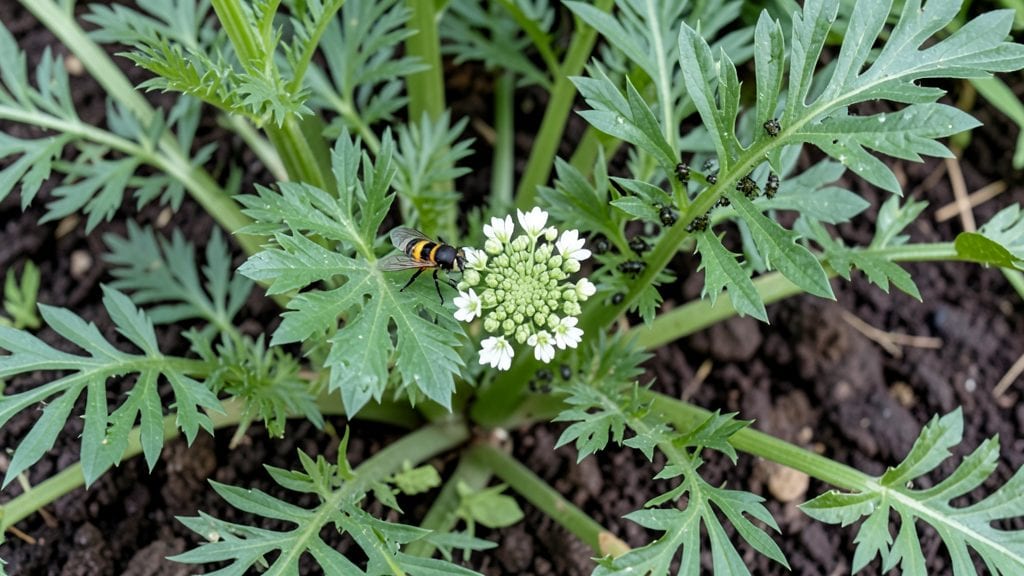
Garden flies aren’t just annoying—they’re a sign your garden’s ecosystem is out of balance. I’ve spent years tracking down these pests, from the tiny fungus gnats hovering over seedlings to the bold green bottle flies buzzing around decaying matter.
The key to control isn’t brute force but understanding their life cycles and cutting off their food sources before they multiply.
Most garden flies thrive on moisture, organic debris, or overwatered soil. Fungus gnats, for example, lay eggs in damp potting mix, while bottle flies target rotting fruit or compost piles left too long.
The good news? Simple adjustments—like letting soil dry slightly between waterings or covering compost—can eliminate 90% of their breeding grounds in days. No chemicals required.
You’ll see results fast with targeted traps: apple cider vinegar for fungus gnats, yeast-water mixtures for fruit flies, or even a shallow dish of soapy water for general fly control.
These methods work because they mimic what flies seek while trapping them without harming beneficial insects. The best part? Most traps break down completely after use, leaving no residue.
This approach works year-round, whether you’re dealing with spring seedlings or summer’s heat-drawn pests. The secret is consistency—check traps weekly, adjust watering habits, and your garden will stay fly-free while keeping pollinators safe. Let’s get started with the solutions that actually work.
The Real Culprits Behind Garden Flies
Flies in your garden aren’t just a nuisance—they’re often a sign of deeper issues lurking beneath the soil, decaying matter, or even your gardening habits. Understanding why these pesky insects show up is the first step to outsmarting them.
Below, we break down the top causes of garden flies, backed by science, so you can address the root problem and keep your outdoor space buzz-free.
Flies are drawn to rotting organic material because it provides food and breeding grounds for their larvae.
Common culprits include: - Fruit flies (Drosophila): Love overripe or fermenting fruits, veggies (like tomatoes, squash, and berries), and even fallen leaves. - Fungus gnats (Sciaridae): Thrive in moist, decomposing plant debris, compost piles, and soggy mulch. - Houseflies (Musca domestica): Attracted to decaying plant waste, manure, and compost that hasn’t fully broken down.
Why it happens: Flies detect ethanol, acetic acid, and other volatile organic compounds (VOCs) released by rotting matter—these are like dinner bells to their senses. If your garden has:
- Volunteer weeds (like nightshade or citrus trees) left to rot.
- Uneaten fruit lingering on plants or the ground.
- Poorly maintained compost piles (too wet or not turned regularly).
Actionable fix: 🔥 Remove decaying material immediately—pick up fallen fruit, trim overripe veggies, and turn compost frequently to reduce moisture.
Many garden flies lay eggs in damp soil because their larvae need moisture to survive. Fungus gnats, fruit flies, and even drain flies are common offenders when:
- Your soil is overwatered (especially with heavy clay or poor drainage).
- Mulch is too thick, trapping moisture against the soil.
- Irrigation systems create soggy spots where water pools.
Why it happens: Larvae of these flies require moisture to hatch and develop. If your garden has:
- Compacted soil that doesn’t drain well.
- Shady areas where water evaporates slower.
- Drip lines or sprinklers creating wet zones.
Actionable fix: 🌡️ Test soil moisture before watering—stick your finger 1 inch deep; if damp, wait. Use well-draining soil mixes (add perlite or sand) and thin mulch layers (2–3 inches max).
Flies are magnets to protein-rich waste, including:
- Pet waste (dog/cat feces) left in garden beds.
- Manure piles (especially fresh chicken, horse, or cow manure).
- Uneaten food scraps in compost bins (meat, dairy, oily foods).
Why it happens: Flies like houseflies, blowflies, and cluster flies are drawn to ammonia and sulfur compounds in feces and rotting protein. Even well-intentioned composting can attract flies if:
- The pile is too hot or anaerobic (smelly, not breaking down properly).
- Meat/dairy scraps are added (these should go in a separate bin).
- Pet waste is buried in garden beds (risk of pathogens + flies).
Actionable fix: ✨ Compost smarter—use a closed bin with a lid, turn weekly, and avoid animal products. Pick up pet waste daily and dispose of it in sealed trash.
A thick layer of leaves, grass clippings, or plant debris creates the perfect fly nursery.
Why? - Fruit flies and fungus gnats lay eggs in moist, decaying leaves. - Drain flies (sewer gnats) breed in organic sludge trapped under mulch. - Soldier flies and hoverflies use leaf litter as a larval habitat.
Why it happens: Decomposing matter releases sugars and acids, signaling flies that it’s a fertile breeding ground. If your garden has:
- Unraked leaves from fall/winter.
- Grass clippings left in piles (especially wet ones).
- Weeds with rotting stems (like mint or lamb’s quarters).
Actionable fix: 💡 Rake up debris regularly—especially in shady, damp corners. Use straw mulch (dries faster than wood chips) and keep garden beds tidy.
Flies thrive in chaos. If your garden has:
- Unpruned plants with dead leaves or fruit.
- Weeds going to seed (many attract flies).
- Standing water in saucers, clogged gutters, or low spots.
Why it happens: Flies seek easy access to food, water, and shelter. Neglected areas provide:
- Shade (flies avoid direct sunlight).
- Moisture (from poor drainage or overwatering).
- Decaying plant material (a buffet for larvae).
Actionable fix: 🎯 Inspect your garden weekly—remove dead plants, trim overgrowth, and fix drainage issues (add sand or gravel to compacted spots).
Not all flies are bad—hoverflies, syrphid flies, and bee flies are beneficial pollinators. But if you see swarms of small flies hovering near flowers, they might be:
- Laying eggs in damp soil (fungus gnat larvae).
- Feeding on nectar (then spreading pathogens).
Why it happens: These flies are mistaken for bees and may indicate:
- Overwatered potted plants (fungus gnat hotspot).
- Too many flowering weeds (like dandelions or clover).
- Lack of native pollinators (leading to fly dominance).
Actionable fix: 🌼 Encourage bees with native flowering plants (lavender, marigolds, basil). Reduce watering for potted herbs/veggies and use yellow sticky traps (less harmful to bees).
Flies follow this simple equation: Food (rotting matter) + Water (moisture) + Shelter (debris/shade) = Fly Paradise
By eliminating one or more of these factors, you’ll make your garden less inviting to unwanted visitors. The key? Stay proactive—a little maintenance goes a long way! 🚀
Quick Fixes for Unwanted Garden Flies
Flies buzzing around your garden can be more than just a nuisance—they’re a sign that something’s off. Whether it’s rotting fruit, standing water, or decaying organic matter, these pests thrive where humans don’t want them. The good news?
With the right strategies, you can eliminate them fast and keep them from coming back. Below, we’ll break down the most common causes of garden flies and the practical, no-fuss solutions to tackle them—plus prevention tips to save you time (and sanity) later.
Flies love compost piles, fallen fruit, and rotting veggies. If your garden’s a buffet for them, it’s time to clean up.
🔥 Fix It Fast: The "Freeze & Toss" Method
- Remove the source – Scoop up overripe fruit, wilted plants, and compost scraps. Toss them in a sealed trash bin (not your compost pile!) and take it out immediately—flies can hatch in as little as 24 hours.
- Freeze problem areas – If you’ve got a stubborn spot (like under a bush), sprinkle ice cubes or salt around it. The cold shock kills eggs and larvae while deterring adults.
- Bury deep – For compost or mulch piles, turn them frequently and bury fresh scraps at least 12 inches deep to speed decomposition without attracting flies.
💡 Prevention Pro Tips:
- Harvest promptly – Pick fruit and veggies as soon as they ripen. A single overripe tomato can spawn hundreds of flies.
- Use coffee grounds – Sprinkle used grounds around plants.
The strong scent masks decaying smells and repels flies naturally. - Try nematodes – For soil-dwelling larvae, apply beneficial nematodes (like Steinernema carpocapsae) to your garden beds. They’re microscopic, harmless to plants, and devour fly grubs in days.
Puddles, clogged gutters, and even damp soil create the perfect breeding ground for flies. Stagnant water isn’t just a fly magnet—it’s a disease risk for your plants.
🍳 Fix It Fast: Drain & Disrupt
- Empty containers weekly – Flip over plant saucers, buckets, and toys after rain. Even a teaspoon of water can hatch 200+ mosquito larvae.
- Add a splash of oil – Fill shallow water sources (like birdbaths) with vegetable oil or dish soap. This creates a barrier that smothers larvae before they surface.
- Improve drainage – For soggy soil, mix in sand or perlite to aerate roots.
If you’ve got a low spot, create a slight slope with soil to redirect water.
🌡️ Prevention Pro Tips:
- Use a dehumidifier – In greenhouses or sheds, run one to keep moisture low.
Flies hate dry air. - Plant smart – Choose drought-tolerant plants (like lavender or rosemary) that don’t need constant watering. - Check irrigation – Fix leaky hoses or drippers. Overwatering = fly paradise.
Healthy plants = fewer flies. When leaves get chewed, stems rot, or roots suffocate, flies move in to feast on the mess.
⏰ Fix It Fast: Revive & Protect
- Trim the damage – Snip off yellowing, wilting, or chewed leaves immediately. Bag them and toss (don’t compost!).
- Neem oil spray – Mix 1 tsp neem oil + 1 tsp mild soap in 1 quart of water.
Spray on plants to repel flies and prevent egg-laying. 3. Adjust watering – Most plants hate soggy roots. Water deeply but infrequently (1–2 inches per week, depending on climate).
✨ Prevention Pro Tips:
- Rotate crops – Avoid planting the same veggies in the same spot yearly.
Flies (and their larvae) target familiar hosts. - Mulch correctly – Use straw or wood chips (not fresh grass clippings) to keep soil moist without creating a fly buffet. - Encourage predators – Attract ladybugs, spiders, and birds with native plants.
They eat fly larvae before they become a problem.
If your garden flies are sneaking into your home, they’re likely hitching a ride on produce, pets, or open doors.
🔪 Fix It Fast: Block Their Path
- Install fine mesh screens – Check windows, vents, and doors. No gaps larger than 1/16 inch—flies can slip through tiny spaces.
- Store food properly – Keep fruits and veggies in the fridge or sealed containers.
Flies are drawn to ethylene gas (released by ripening produce). 3. Use fans – Flies hate wind. Place a box fan near entryways to create a breeze—it’ll keep them outside.
🎯 Prevention Pro Tips:
- Wipe down surfaces – Clean counters, tables, and pet bowls with vinegar or hydrogen peroxide to remove sticky residues that attract flies.
- Essential oil spray – Mix 5 drops of peppermint or eucalyptus oil with water in a spray bottle.
Lightly mist doorways and windowsills. - Keep pets clean – Wash pet bowls daily and brush fur regularly. Flies love damp pet areas!
Final Thought: Flies in your garden don’t have to mean game over—just a quick cleanup and a few smart swaps. Act fast, and you’ll enjoy a fly-free oasis in no time. 🌿✨
Frequently asked questions
What types of flies are most common in gardens?
Garden flies typically include fruit flies (attracted to overripe produce), fungus gnats (thriving in damp soil), houseflies (drawn to decaying matter), and green bottle flies (targeting rotting organic debris). Each type has distinct triggers, so identifying their behavior helps you address their specific breeding grounds.
How quickly can I see results after implementing fly control?
Most methods show noticeable results within 24-48 hours, especially if you remove food sources (like overripe fruit or standing water). Traps like apple cider vinegar for fruit flies or soapy water traps for general pests work fastest. For soil-dwelling larvae (like fungus gnats), expect improvement in 3-5 days after adjusting watering habits. Consistency is key!
Are there any natural predators that help control garden flies?
Ladybugs, spiders, and birds are natural predators that devour fly larvae. You can attract them by planting native flowers (like marigolds or lavender) and avoiding pesticides. Even beneficial nematodes (microscopic worms) target soil-dwelling larvae without harming plants or pollinators.
Can I use chemical sprays to eliminate garden flies?
While chemical sprays can kill flies quickly, they often harm beneficial insects like bees and ladybugs. For eco-friendly results, opt for neem oil sprays or essential oil mixtures (like peppermint or eucalyptus). If chemicals are necessary, use them as a last resort and target specific problem areas only.
Why do flies keep coming back even after I’ve cleaned up?
Persistent flies often mean hidden breeding grounds—check compost piles, mulch layers, or damp soil for overlooked moisture or decay. Flies also travel from neighboring areas, so expand your cleanup to yard edges, gutters, and even pet waste zones. A weekly 10-minute inspection can prevent reinfestation.