
Companion Plants
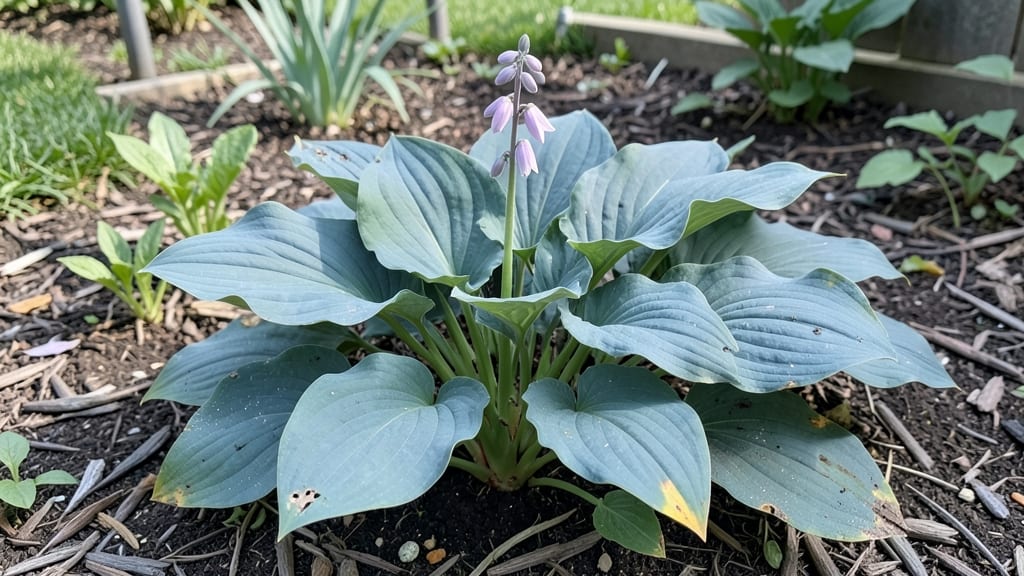
Front garden plants that steal the show without the upkeep are my secret weapon for curb appeal that actually feels like me—not just a Pinterest board. 🌿 The right mix of evergreens, seasonal blooms, and textured foliage creates a garden that looks intentional, not overwhelming, while still giving neighbors something to envy.
Here’s the thing—most front gardens fail because they’re either too fussy or too boring. I’ve landed on a combo of low-maintenance shrubs like boxwood and dwarf lilacs for structure, paired with perennials that bloom from spring to frost.
Think lavender for borders (it thrives in poor soil and smells like summer), ornamental grasses for movement, and hydrangeas in shades that shift with the seasons.
By mid-summer, your front yard will be the talk of the block—fragrant, lush, and full of life without requiring daily attention. The key is layering plants by height and color, so every season offers something new while keeping the overall look cohesive.
No more staring at a patchy, weedy mess when you could have a garden that works as hard as it looks.
This works for small urban lots or spacious suburban yards, adapting to sun exposure and soil types with minor tweaks. The real magic? You’ll spend less time fussing and more time enjoying the view from your own front porch. Let’s make it happen.
📚 In This Guide
- What you need
- Instructions
- Tips and common mistakes
- Wrapping up and next steps
What you need
- ● Front garden plants: Choose a mix of perennials (e.g., hostas, lavender, or heucheras), shrubs (e.g., boxwood, hydrangeas, or abelia), and seasonal bloomers (e.g., tulips, pansies, or daffodils). Aim for 3–5 plants per square foot for a full, natural look.
- ● High-quality potting soil: 2–3 cubic yards (depending on garden size) to ensure proper drainage and nutrient-rich growth.
- ● Mulch: 1–2 bags (e.g., shredded bark or pine straw) to retain moisture and suppress weeds.
- ● Garden gloves: A durable pair (e.g., nitrile-coated) to protect your hands from thorns and dirt.
- ● Hand trowel: A sturdy, 6–8-inch model for planting small perennials and bulbs.
- ● Garden fork: A heavy-duty, 18-inch fork for breaking up compacted soil.
- ● Watering can or hose with a spray nozzle: A 5-gallon capacity for gentle watering, or a hose with adjustable settings.
- ● Pruners: Bypass pruners for clean cuts on shrubs and perennials.
- ● Measuring tape: A 25-foot tape to plan spacing and layout.
- ● Stakes and twine: 10–15 stakes (e.g., bamboo or plastic) and twine for supporting taller plants like clematis or roses.
- ● Soil test kit: To check pH levels and nutrient balance before planting.
- ● Compost or organic fertilizer: 1–2 bags (e.g., fish emulsion or bone meal) for a nutrient boost.
- ● Garden kneeler: A foldable pad for comfort during long planting sessions.
- ● Decorative elements: Garden stones, trellises, or solar-powered lights to add personality and function.
- ● Plant labels: 50+ labels (e.g., wooden or metal) to track varieties and care needs.
- ● Rain barrel or watering timer: For efficient irrigation and water conservation.
Instructions for designing a low-maintenance front garden
Here's how to create a front yard that stays lush, private, and inviting with minimal upkeep.
🌿 Step 1: Plan Your Plant Layers for Privacy and Flow
Start by sketching your front yard's layout, dividing it into three key zones: the foreground (near the sidewalk), midground (middle area), and background (near your home). For privacy, I always anchor the design with 2-3 tall evergreens like arborvitae or boxwoods at the back—these provide structure year-round. In the midground, add 3-4 medium-height shrubs such as hydrangeas or lilacs for seasonal color and texture. Foreground plants should be low-growing perennials like creeping thyme or ajuga to frame the space without overwhelming it.
Real talk: Avoid planting everything in straight lines. Instead, use the odd-number rule—groups of 3, 5, or 7 plants look natural. For example, place 3 boxwoods in a loose triangle near the front door. This creates visual interest while keeping the look intentional. Space plants according to their mature size: give shrubs 3-6 feet of clearance so they don’t compete for nutrients or crowd each other as they grow.
☀️ Step 2: Match Plants to Sunlight and Soil Conditions
Most front gardens get 6+ hours of sun daily, but check your space carefully. Shade-loving plants like hostas or ferns thrive in the north or east sides of your home, while sun-worshippers like daylilies or lavender need full sun on the south or west. I test sunlight by placing a white sheet on the ground at different times of day—where it stays brightest gets the sun-lovers.
Your soil likely isn’t perfect, so amend it before planting. For heavy clay, mix in 2-3 inches of compost to improve drainage. For sandy soil, add 1-2 inches of peat moss to retain moisture. Avoid over-amending—too much organic matter can attract pests. Once amended, dig a hole twice as wide as the root ball but only as deep. This encourages roots to spread outward instead of settling too low.
💧 Step 3: Install Drip Irrigation for Hands-Off Watering
Skip the hose and install a simple drip irrigation system to keep plants hydrated without daily effort. Start by running ¼-inch tubing along the edges of your planting beds, branching off to each plant. Use emitters (not sprinklers) to deliver water directly to the soil—this prevents waste and fungus growth on leaves. Place emitters 6-12 inches from the base of each plant, depending on its size.
Set your system to run early in the morning (5-8 AM) for 15-20 minutes daily. This timing minimizes evaporation and fungal diseases. I always bury the tubing slightly or cover it with mulch to protect it from UV damage and keep the yard looking tidy. Test the system before planting by running it for 30 minutes and checking for even moisture distribution.
✂️ Step 4: Mulch to Suppress Weeds and Retain Moisture
Spread 2-3 inches of organic mulch (like shredded bark or pine needles) over the soil surface, keeping it 2-3 inches away from plant stems to prevent rot. Mulch acts like a blanket—it blocks weeds, regulates soil temperature, and slowly releases nutrients as it breaks down. For a polished look, rake the mulch into gentle mounds around each plant, following the natural contours of the landscape.
Replenish mulch once a year in early spring or whenever it thins to less than 1 inch. This is the easiest way to cut down on weeding and watering. Just don’t overdo it: too much mulch can suffocate plant roots by creating an anaerobic layer. A good rule of thumb is to top off rather than completely replace it each season.
🌱 Step 5: Add Seasonal Accents for Year-Round Interest
Plant 3-5 bulbs per square foot of spring-blooming tulips or daffodils in early fall for early color. Pair them with summer-blooming perennials like coneflowers or black-eyed Susans, and add 1-2 ornamental grasses for movement and texture. These grasses, like fountain grass or feather reed grass, stay evergreen in mild climates and add height without needing much care.
For winter interest, include evergreen shrubs like holly or inkberry, and add 1-2 broadleaf evergreens like Japanese pieris for year-round structure. I also tuck in 1-2 dwarf conifers near pathways—they’re low-maintenance and add a pop of green even in the coldest months. Group these accents in odd-numbered clusters to keep the design balanced and intentional.
Tips & tricks for perfect front garden design
Creating a front garden that thrives with minimal effort starts with these key strategies that save time and headaches.
Plant Placement Pro Tip: When arranging your 2-3 tall evergreens and 3-4 medium-height shrubs in Step 1, think about their mature heights now. Place taller plants toward the back and gradually step down in size toward the front. I learned this the hard way after planting boxwoods too close to the sidewalk—now I give them at least 4 feet of space behind them to prevent overcrowding as they grow.
Soil Prep Shortcut: For Step 2, don't overthink soil amendments. A simple mix of 2-3 inches of compost (for clay) or 1-2 inches of peat moss (for sandy soil) works wonders. I test my soil's drainage by filling a jar halfway with soil and water—if water drains in under 10 minutes, you need more organic matter. This quick test saves you from guessing and over-amending.
Irrigation Installation Hack: In Step 3, when setting up your drip system, use zip ties to secure the ¼-inch tubing to stakes every 2-3 feet. This prevents tubing from shifting and kinking during watering. I also recommend burying the main line tubing 1-2 inches deep and covering it with mulch—this protects it from UV damage and keeps your yard looking clean while preventing tripping hazards.
Mulch Maintenance Secret: The 2-3 inches of organic mulch you apply in Step 4 should be refreshed annually, but don't wait until it disappears completely. When it thins to 1 inch, that's your cue to top it off. I schedule this for early spring right after the last frost—it gives mulch time to settle before summer heat and prevents weeds from taking over. Plus, adding fresh mulch every year improves soil health over time.
Pro Tips for Front Garden Plants
- Creating a front garden that thrives with minimal effort starts with these key strategies that save time and headaches.
- Plant Placement Pro Tip: When arranging your 2-3 tall evergreens and 3-4 medium-height shrubs in Step 1, think about their mature heights now.
- Soil Prep Shortcut: For Step 2, don't overthink soil amendments.
Frequently asked questions
Got questions about transforming your front garden into a lush, low-maintenance retreat? Here are some answers to the most common concerns—so you can plant with confidence!
What are the best low-maintenance plants for front gardens?
Opt for drought-tolerant perennials like lavender, ornamental grasses (e.g., fountain grass), or evergreens such as boxwood or holly. Succulents (like sedum) and native shrubs (e.g., butterfly bush) thrive with minimal watering and care. Pair them with mulch to retain moisture and suppress weeds—perfect for busy homeowners!
When is the best time to plant front garden flowers?
For spring blooms, plant bulbs (tulips, daffodils) in fall (October–November). Annuals (like petunias or marigolds) go in early spring (March–April) after the last frost. Perennials can be planted in early spring or fall—just ensure the soil isn’t frozen or waterlogged!
How can I add privacy without blocking sunlight?
Use semi-evergreen or deciduous shrubs like arborvitae (for year-round cover) or honey locust (fast-growing but lets light through). For a lighter look, try trellises with climbing roses or bamboo screens. Layer plants with varying heights (e.g., short boxwood + medium hydrangeas + tall bamboo) for a natural, airy privacy barrier.
What’s the easiest way to keep pests away from my front garden?
Start with pest-resistant plants like rosemary, lavender, or marigolds—their strong scents deter bugs naturally. Neem oil or insecticidal soap work for targeted issues (e.g., aphids). Encourage beneficial insects like ladybugs by adding bee balm or alyssum. Pro tip: Keep your garden weed-free and well-drained to discourage pests from taking root!
Are there affordable alternatives to expensive privacy plants?
Yes! Skip pricy shrubs like leyland cypress and try:
- Fast-growing vines (e.g., clematis or wisteria) on a trellis ($20–$50 per plant).
- Native shrubs (e.g., sumac or serviceberry)—often free or cheap from local nurseries.
- DIY screens: Use recycled pallets or bamboo stakes ($10–$30) painted or stained for a rustic look.
Check plant swaps or community gardens for cuttings or divisions too!
Wrapping up and next steps
Transforming your front garden into a vibrant, private oasis doesn’t have to be complicated—just start small and let nature do the work! 🌿 Whether you’re drawn to evergreen shrubs for year-round privacy, seasonal blooms for color, or low-maintenance perennials for effortless charm, the right plants can turn your curb appeal into a showstopper.
Remember, the key is layering: mix heights, textures, and colors for depth and visual interest.
Ready to take the next step? Sketch a simple layout of your space, jot down your sunlight and soil conditions, and pick 2-3 plants to start. Before you know it, your front garden will be the envy of the neighborhood—without the crowds! 🌸