
Light Requirements
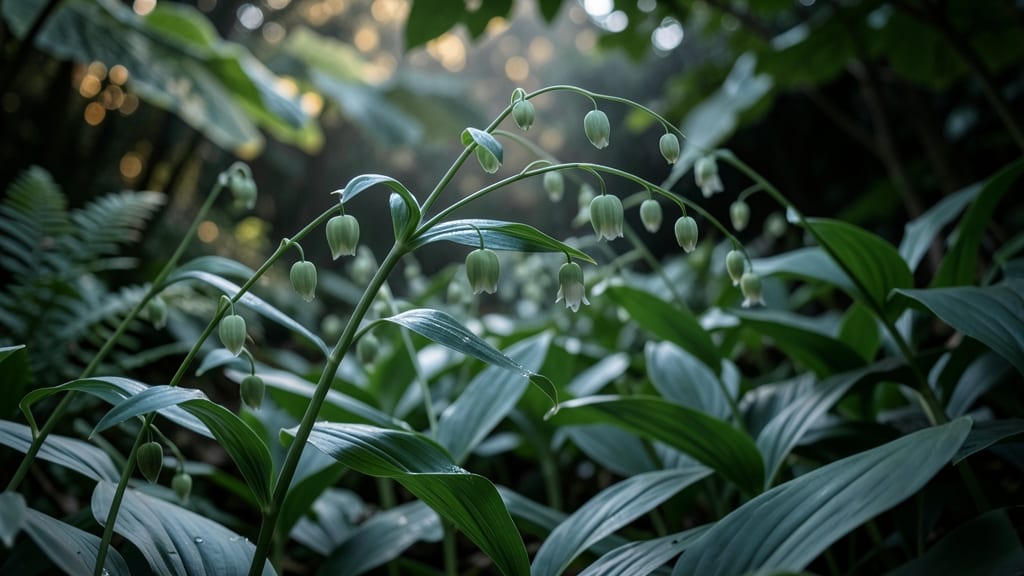
Transforming shady spaces into lush gardens is easier than you think. These 10 full shade plants thrive without direct sunlight, offering beauty, texture, and low-maintenance growth for even the darkest corners of your yard.
Hostas For Textured Green Foliage
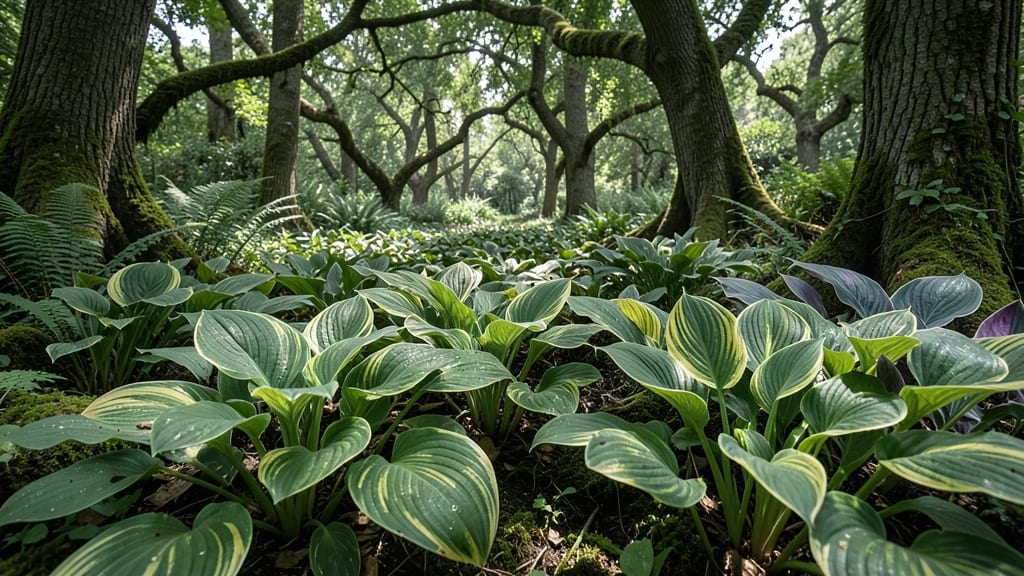
If you’ve ever walked through a lush woodland and marveled at the vibrant foliage thriving under towering trees, you’ve seen hostas in their natural habitat. These shade-loving perennials are the backbone of any full shade garden, offering bold textures and variegated patterns that bring depth to dim corners.
Hostas come in a stunning array of colors—from deep emerald green to striking blue-gray with golden or white edges—creating visual contrast that elevates your garden’s design. They thrive in partial to full shade, making them perfect for north-facing beds, under trees, or along shady fences. With minimal care, they multiply over time, forming lush clumps that suppress weeds and retain moisture.
Whether you're a beginner looking for a foolproof plant or an experienced gardener seeking year-round structure, hostas deliver effortless elegance. Pair them with ferns or hellebores for a layered, woodland-inspired look. 🌿
Ferns For Delicate Fronds
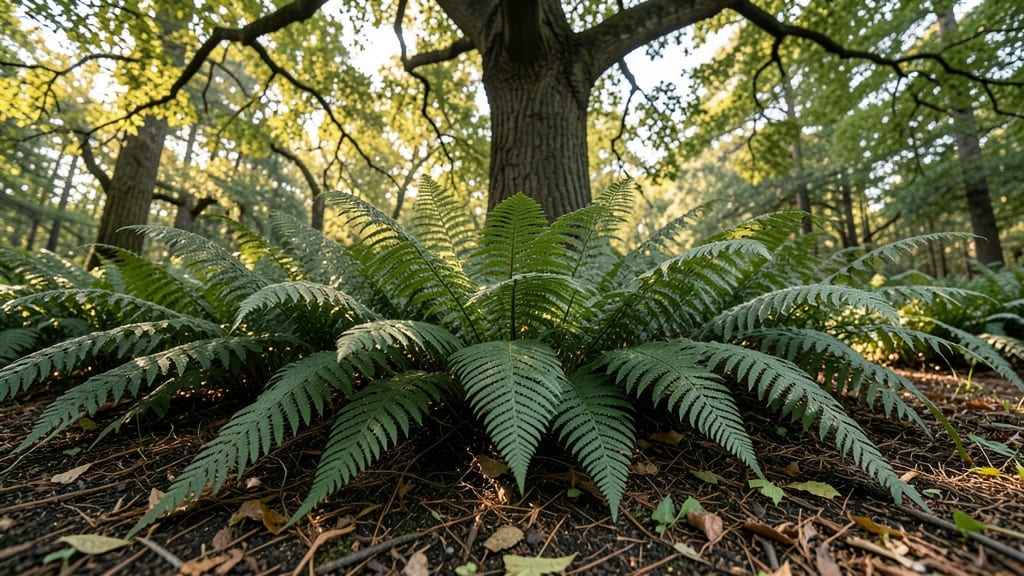
Skip the sun-starved look—ferns bring lush, feathery texture to your shadiest spots with minimal effort. Their airy fronds create a soft, woodland atmosphere that’s perfect for understory planting or containers tucked beneath trees.
Ferns thrive in moist, well-draining soil and prefer dappled or full shade, making them ideal for areas where hostas might struggle. Varieties like Japanese painted fern or maidenhair fern add architectural interest without needing bright light. Water consistently to keep soil evenly damp, and mulch to retain moisture.
These low-maintenance plants are perfect for gardeners who love year-round greenery with minimal upkeep—ideal for woodland gardens, patios, or even as houseplants in bright, indirect light. 🌿
Hellebores For Early Blooms
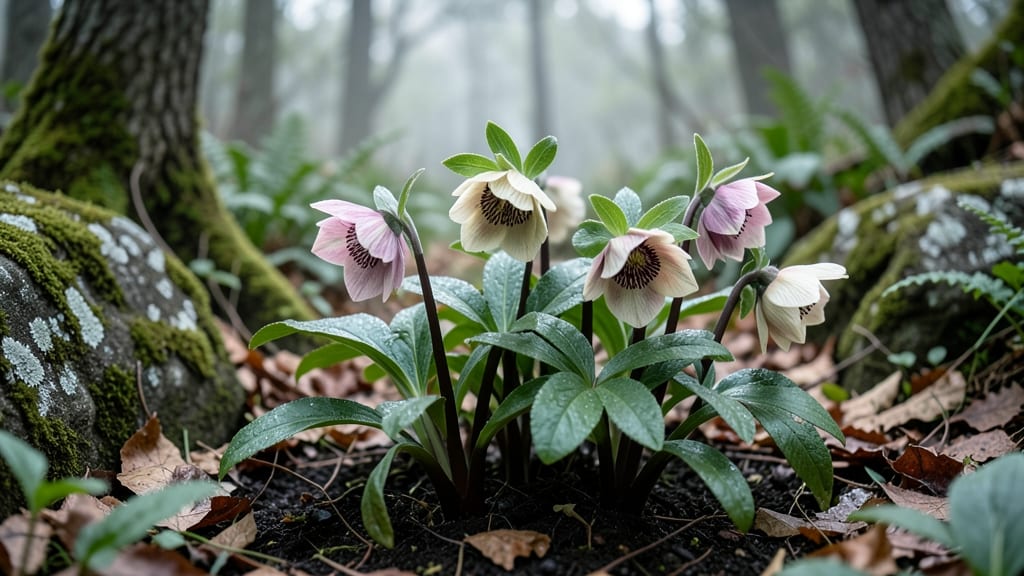
When your garden feels like it’s taking a winter nap, helleborus—commonly called hellebores—burst onto the scene with their delicate, nodding blooms as early as late winter. These hardy perennials thrive in full to partial shade, making them perfect for shady corners where other plants struggle.
Hellebores offer year-round interest: their leathery, evergreen foliage provides texture even when not in bloom, while their flowers last for weeks. Choose from shades like white, pink, purple, or green to brighten up dark spots. They’re low-maintenance too—just keep the soil moist but well-draining and mulch to retain moisture and suppress weeds.
Cottage gardeners and woodland enthusiasts will love hellebores for their old-fashioned charm and ability to naturalize over time. Plant them in clusters for a dramatic, early-season show that keeps your garden feeling alive even in the coldest months. 🌷
Astilbes For Feathered Plumes
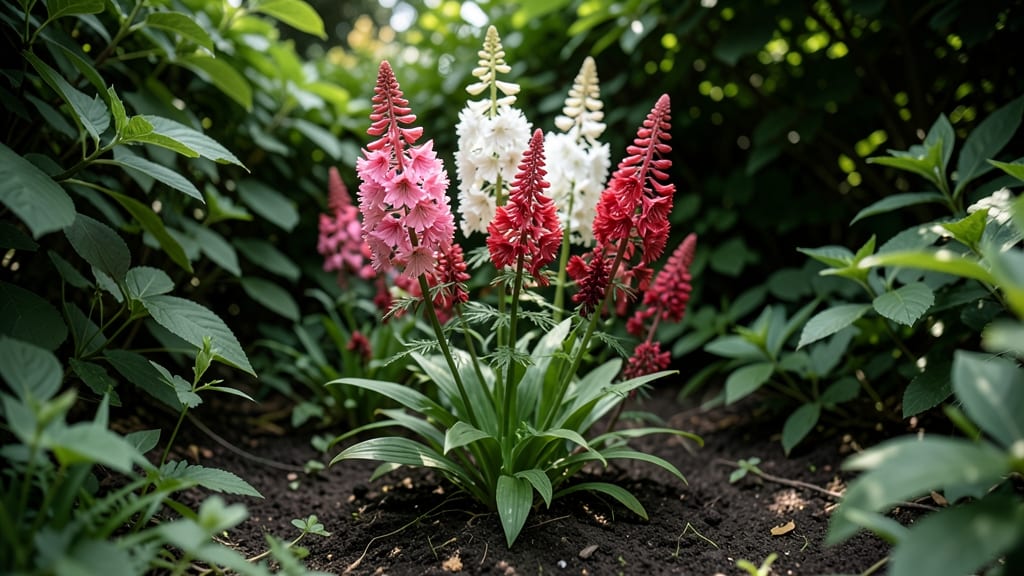
When your garden's shady spots feel like blank canvases, astilbes step in as your boldest brushstroke. These plume-like blooms—available in fiery pinks, snowy whites, and deep reds—transform dull corners into vertical masterpieces, thriving where others fade.
Plant astilbes in moist, well-draining soil enriched with organic matter, and they’ll reward you with summer-to-fall blooms that sway gently in the breeze. Their feathery foliage adds texture year-round, while their height (18 inches to 4 feet) makes them ideal for borders or back-of-bed drama. Just keep them consistently moist—they despise drought but love humidity.
Perfect for gardeners who crave dramatic color without sunlight, astilbes pair beautifully with hostas and ferns, creating layered shade gardens that feel alive. 🌻
Lungwort For Medicinal Beauty
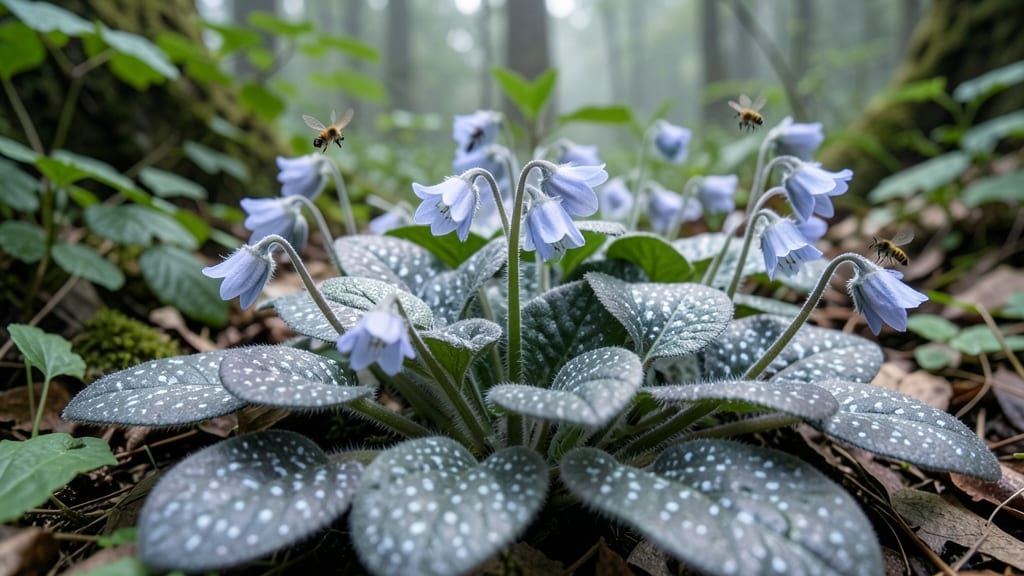
Looking for a plant that blends medicinal heritage with striking visual appeal? Lungwort (Pulmonaria) delivers both—its silver-spotted leaves create a mesmerizing contrast, while delicate blue flowers bloom early in spring, drawing in pollinators like bees and butterflies.
This hardy perennial thrives in full to partial shade, making it perfect for woodland edges or understory plantings. Its leaves were historically used in herbal remedies for respiratory health, and the plant’s clumping habit makes it ideal for borders or cottage-style gardens. Simply keep soil moist but well-draining, and mulch annually to retain humidity.
Herbalists and gardeners who love multi-season interest will adore lungwort—it offers foliage color in winter, early blooms in spring, and a low-maintenance presence year-round. 💚
Caladiums For Tropical Drama
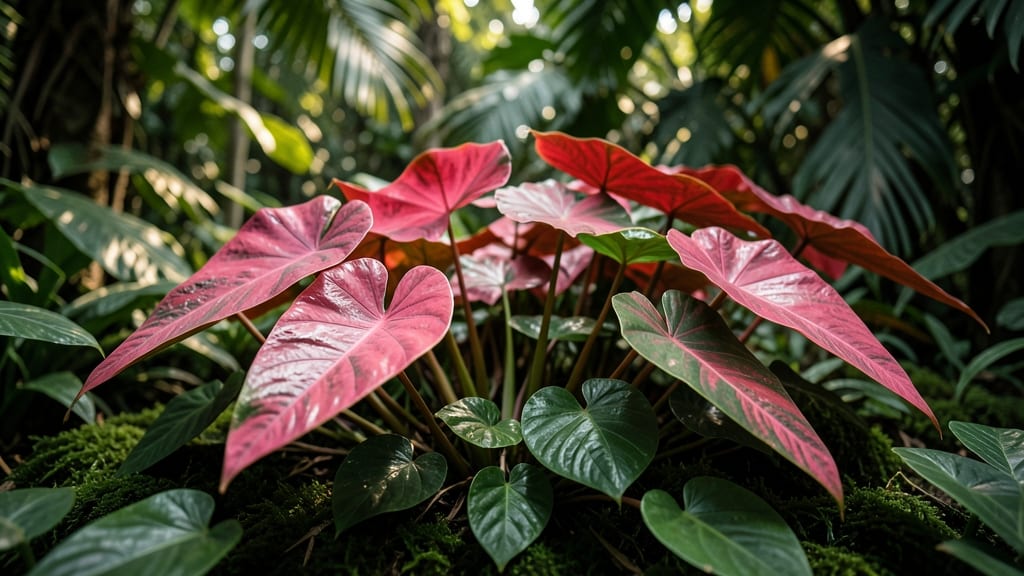
Bring instant tropical vibes to your full shade garden with caladiums, the showstopper of shade-loving plants. Their heart-shaped leaves burst in fiery pinks, deep reds, and emerald greens—like a rainforest explosion in your backyard.
These non-hardy perennials (treat them as annuals in colder zones) thrive in moist, well-draining soil and indirect light, making them perfect for containers on patios or as dramatic accents in garden beds. Varieties like 'Flamingo' or 'White Queen' offer contrasting patterns that elevate any shady corner.
Urban gardeners and small-space enthusiasts will love caladiums for their low-maintenance yet high-impact foliage—just keep them consistently moist and protect them from frost. 🌻
Bleeding Heart For Romantic Flowers
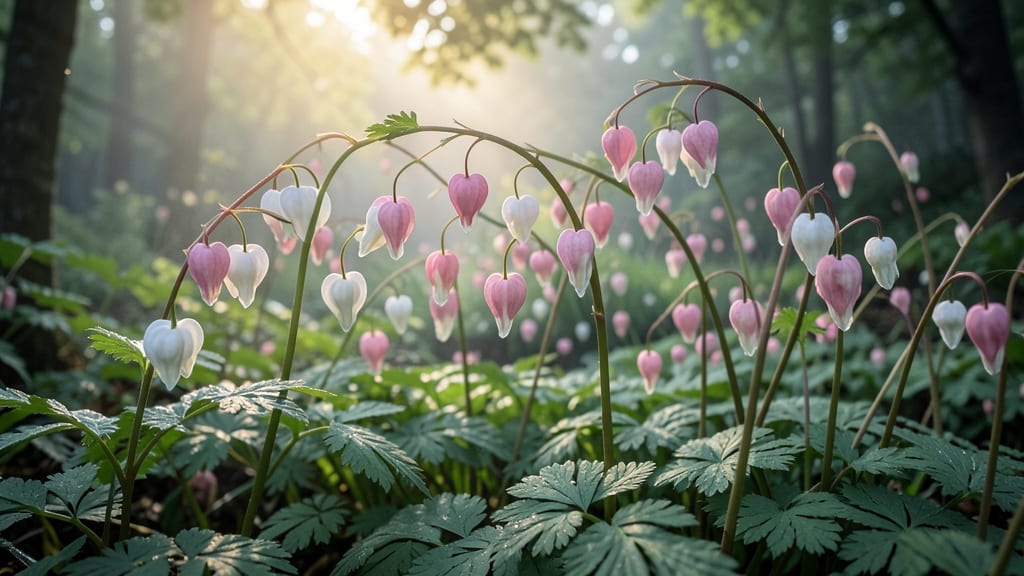
Transform your shady garden into a dreamy retreat with bleeding heart (Dicentra spectabilis), a perennial that turns deep shade into a romantic spectacle. Its heart-shaped pink or white blooms dangle like delicate chandeliers from arching stems, creating a soft, cascading effect that’s impossible to resist.
This shade-lover thrives in moist, well-draining soil and partial to full shade, making it perfect for woodland gardens or beneath trees. Plant it in spring for summer blooms, and enjoy its lush foliage even after flowers fade. Deadhead spent blooms to encourage a second flush in late summer.
Ideal for cottage gardens, fairy-tale landscapes, or as a focal point near patios, bleeding heart adds whimsy and elegance with minimal effort. Pair it with ferns or hostas for a magical, low-maintenance shade combo. ✨
Japanese Painted Fern For Year-Round Interest
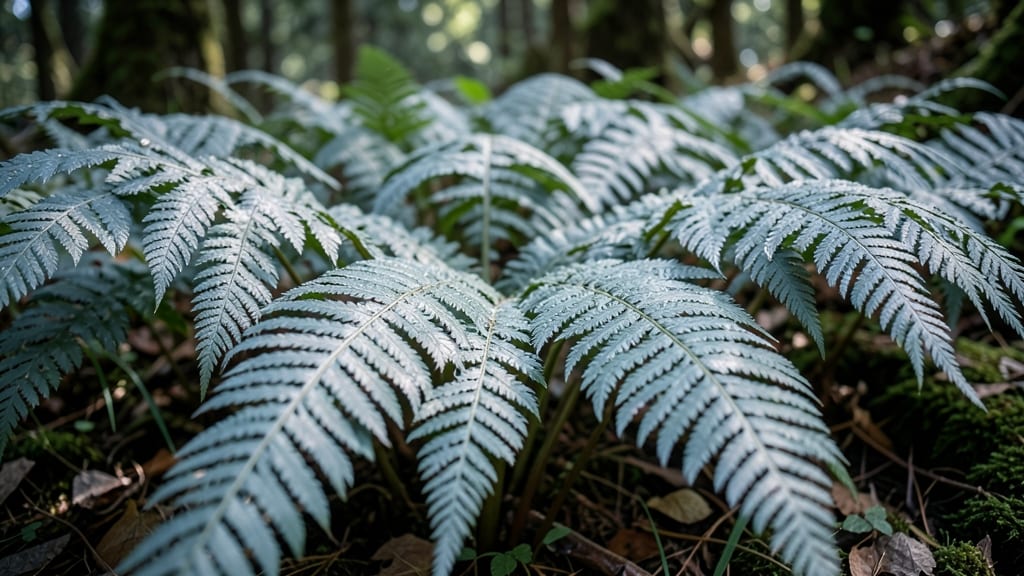
Looking for a year-round shade plant that refuses to fade? The Japanese painted fern (Athyrium niponicum var. pictum) delivers striking blue-green fronds that stay vibrant even when most gardens are dormant, making it a standout for cold climates.
This cold-hardy fern thrives in USDA zones 4-8, tolerates deep shade, and prefers moist, well-draining soil. Its layered, semi-evergreen foliage adds texture to borders, while its silver undersides catch light when backlit. Group 3-5 plants together for a lush, cascading effect that contrasts beautifully with hostas or hellebores.
Perfect for gardeners in northern regions or those seeking low-maintenance structure, this fern brings winter interest without extra effort. 🌿
Impatiens For Colorful Containers
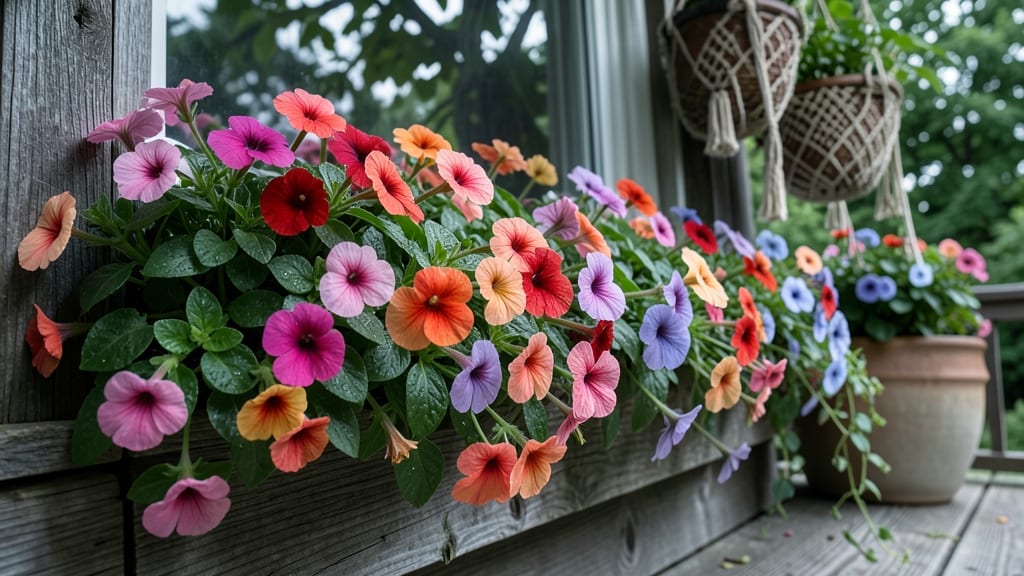
If your patio or deck gets little to no sunlight, impatiens are the secret weapon for instant color. These cheerful annuals thrive in deep shade, producing vibrant blooms in pinks, reds, oranges, and purples from spring until frost—no sun required!
Perfect for hanging baskets, window boxes, or as spiller plants in containers, impatiens need consistent moisture but well-draining soil. Mix in pearlite or compost to prevent root rot, and fertilize every 2-3 weeks for nonstop blooms. Their trailing habit makes them ideal for softening edges or creating a cascading effect.
Urban gardeners and renters will love impatiens—they’re easy to replace each year, come in countless colors, and transform dull corners into lively displays. Just avoid overhead watering to keep those blooms dry and happy! 🌻
Solomon's Seal For Architectural Elegance

If you want to add structural elegance to your full shade garden without sacrificing delicate beauty, Solomon's seal (Polygonatum) is your go-to plant. Its arching, bamboo-like stems create natural vertical lines, while glossy, lance-shaped leaves add lush texture—perfect for framing pathways or defining woodland edges.
The plant thrives in deep to partial shade and produces dangling white bell flowers in spring, followed by clusters of edible blue berries that birds adore. For best results, plant in moist, well-draining soil enriched with organic matter, and space stems 18-24 inches apart to allow their graceful arcs to unfold naturally. Varieties like 'Blue Spire' and 'Jacob' offer different heights and growth habits for design flexibility.
This versatile perennial is ideal for gardeners who love low-maintenance structure with a touch of whimsy. It pairs beautifully with hostas and ferns, making it a standout focal point in any shady garden design. 🌿