
Light Requirements
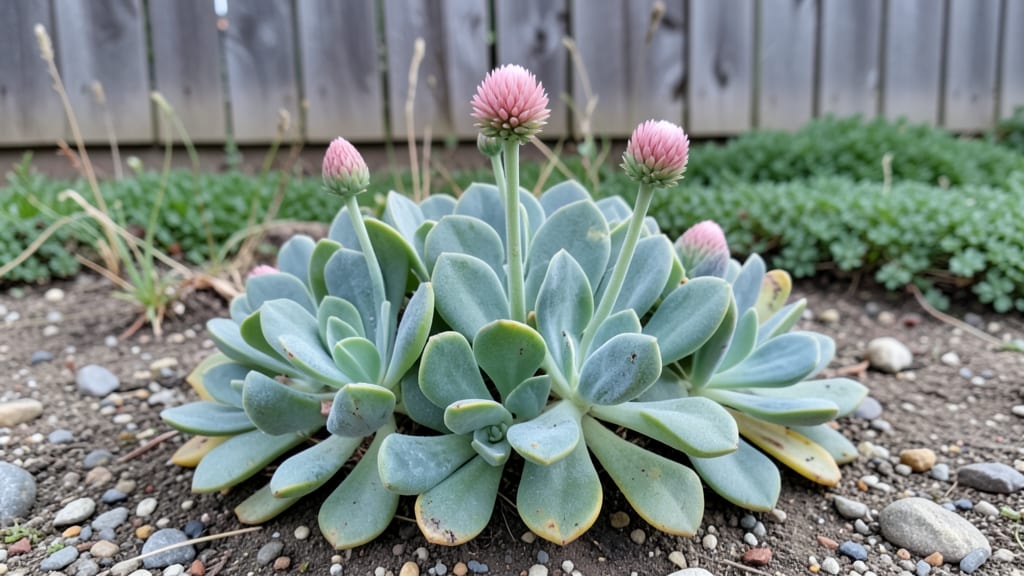
My full sun rock garden plants are the backbone of my drought-proof, low-maintenance landscape—once you see how they thrive in hot, dry conditions, you’ll never want to plant anything else. 🌿 The secret lies in choosing plants that naturally love rocky, well-drained soil, like sedum, lavender, and sempervivum, which stay vibrant even when other gardens wilt by midday.
These plants aren’t just survivors—they’re showstoppers. Layering them by height and texture creates depth, while their colors pop against the gravel. Start with taller plants like Russian sage at the back, then add mid-height shrubs like creeping thyme, and finish with ground covers like ice plants or hens-and-chicks.
The result? A garden that looks intentional, not fussy.
You’ll love how little they demand—no extra watering, no rich soil, no fuss. By late summer, your rock garden will burst with color, and come winter, many varieties add unexpected interest with frost-kissed foliage or persistent seed heads.
The best part? These plants multiply over time, giving you free plants for friends or new spots in your yard.
Perfect for slopes, borders, or even containers, this design works in any sunny spot. Whether you’re starting fresh or refreshing an existing rock garden, these plants make it easy to create a landscape that’s both beautiful and self-sufficient. Let’s get planting!
📚 In This Guide
- What you need
- Instructions
- Tips and common mistakes
- Wrapping up and next steps
What you need
- ● Rocks & Gravel: 3–6 inches of sharp-edged gravel (1/4"–3/4" size) for drainage + decorative rocks (varied sizes, colors, and textures). Aim for 1–2 cubic yards per 100 sq. ft.
- ● Soil: Cactus/succulent mix or well-draining sandy loam (avoid clay!). Mix in perlite or pumice (20–30% by volume) for extra aeration.
- ● Drainage Layer: Crushed granite or lava rock (1–2 inches deep) to prevent waterlogging.
- ○ Mulch (Optional): Gravel mulch (3/8"–1" pebbles) to retain moisture and suppress weeds.
- ● Drought-Tolerant Plants: Pre-selected sedum, agave, yucca, lavender, or sempervivum (check hardiness zones!). Start with 3–5 mature plants per 10 sq. ft.
- ○ Containers (Optional): Terracotta pots or fiberglass planters for modular designs (1–3 gallons per plant).
- ● Edging Materials: Bricks, metal strips, or landscape fabric to define borders (if needed).
- ● Garden trowel (for planting)
- ● Wheelbarrow (for hauling rocks/soil)
- ● Level & measuring tape (for even layers)
- ● Garden gloves & knee pads (because comfort matters!)
- ● Hose with nozzle (for watering)
Step-by-step guide to designing a thriving full sun rock garden
Here’s how to create a stunning, low-maintenance rock garden that thrives in blazing sun.
🪴 Step 1: Choose the Perfect Location and Base Materials
Pick a spot that gets 6+ hours of direct sunlight daily—rock gardens need full sun to shine. Clear the area of grass or weeds, then lay down a 4-inch layer of landscape fabric to prevent weeds from creeping up through the rocks. This is non-negotiable; without it, weeds will outcompete your plants in no time.
Next, spread a 2-inch layer of coarse gravel over the fabric. This creates drainage and prevents soil from washing away when you water. I like to use ½-inch to 1-inch river rocks for this base layer—they’re heavy enough to stay put but light enough to move if needed.
🌱 Step 2: Build Up with Soil and Rocks for Structure
Add a 3-inch layer of well-draining potting mix over the gravel. Rock garden plants hate soggy roots, so mix in 20% perlite or coarse sand to keep things airy. This is where your drought-tolerant plants will root, so don’t skimp—thin soil means poor growth.
Arrange your medium-sized rocks (6-12 inches across) in a natural, cascading pattern. Start with larger rocks at the back or edges and work toward smaller ones in the front. Leave gaps of about 3-6 inches between rocks—this gives plants room to spread without fighting for space. Pro tip: Place rocks on their sides occasionally to create interesting textures.
☀️ Step 3: Plant Drought-Tolerant Species Strategically
Dig small holes just deep enough to fit the root balls of your plants, then space them 12-24 inches apart depending on their mature size. I always plant taller varieties like sedum or penstemon toward the back and shorter, trailing plants like thyme or ice plants in the front. This ensures everything gets sunlight without shading out neighbors.
Water deeply right after planting to settle the soil around roots, but resist the urge to overwater. Rock gardens thrive on neglect—once established, most plants only need water when the soil feels bone-dry to the touch. Mulch with ½-inch of small pebbles or decomposed granite to lock in moisture and keep weeds down.
✂️ Step 4: Maintain with Minimal Effort
Remove weeds as soon as they appear—they’ll steal nutrients and water from your prized plants. A quick hand-pull once a month keeps things tidy. Fertilizer is rarely needed; most rock garden plants prefer lean soil. If you notice slow growth, apply a balanced, slow-release fertilizer in early spring at half-strength.
Prune spent blooms regularly to encourage more flowers. For example, snip back sedum stems after flowering to keep the plant compact. In late fall, remove any dead foliage, but leave seed heads if you want winter interest. Your rock garden should look effortless—because with the right plants, it is.
💧 Step 5: Adjust for Seasonal Changes
In summer, water once every 10-14 days unless you’ve had a heatwave—then check soil moisture daily. In winter, most rock garden plants go dormant and need almost no care. If you’re in a freezing climate, add a light layer of mulch (like straw) around tender perennials to protect roots from extreme cold.
Watch for signs of stress: Wilting leaves mean underwatering, while yellowing leaves signal overwatering. If you notice pests like aphids, blast them off with a strong stream of water—rock gardens are too dry for most insects to thrive. With minimal upkeep, your sun-loving rock garden will stay vibrant for years.
Tips & tricks for perfect full sun rock garden plants
Creating a thriving rock garden in full sun isn't just about placing rocks—it's about working with nature's dry conditions to build a self-sustaining ecosystem. Here are my go-to strategies for success.
Location and Drainage: The 6+ hours of direct sunlight requirement is non-negotiable for most rock garden plants, but don't assume all sunny spots are equal. Test your location first by observing how dry the soil stays during summer's hottest weeks. If you notice moisture lingering after 24 hours, you may need to create a raised bed or add extra gravel to improve drainage. I've learned this the hard way after watching succulents rot in what I thought was "well-drained" soil.
Rock Selection Strategy: When arranging your medium-sized rocks (6-12 inches), think about sunlight angles. Place taller rocks on the north side of your garden to prevent shading smaller plants. I like to create "rock benches" by stacking flat stones horizontally—this creates microclimates where moisture lingers slightly longer, perfect for plants like sedum that appreciate occasional dampness at their roots.
Soil Mixing Secrets: That 20% perlite or coarse sand in your 3-inch soil layer is where the magic happens. For even better drainage, I add a handful of pumice granules to the mix—it creates tiny air pockets that prevent compaction. If you're using garden soil, sift it first to remove any clay particles, which can suffocate roots. Remember, rock garden plants prefer lean soil with minimal nutrients, so don't be tempted to add compost unless you're growing particularly hungry plants like penstemon.
Watering Wisdom: The "bone-dry to the touch" rule is your best friend, but there's a trick to checking properly. Stick your finger about 2 inches into the soil—not just the surface. The top layer can be dry while moisture remains below, leading to root rot. I've found that watering in the early morning (before 9 AM) prevents evaporation and gives plants time to absorb moisture before the heat of the day. Once established, most rock garden plants only need that deep watering every 10-14 days, but check during heatwaves.
Pro Tips for Full Sun Rock Garden Plants
- Creating a thriving rock garden in full sun isn't just about placing rocks—it's about working with nature's dry conditions to build a self-sustaining ecosystem.
- Location and Drainage: The 6+ hours of direct sunlight requirement is non-negotiable for most rock garden plants, but don't assume all sunny spots are equal.
- Rock Selection Strategy: When arranging your medium-sized rocks (6-12 inches), think about sunlight angles.
Frequently asked questions
about full sun rock garden plants—because even the toughest plants need a little guidance!What are the best full sun rock garden plants for hot, dry climates?
Top picks include Sedum (stonecrop), Agave, Yarrow, and Lavender. These thrive in full sun, need minimal water, and handle rocky soil beautifully. For extra heat resistance, opt for Succulents or Drought-Tolerant Grasses like blue fescue.
When is the best time to plant rock garden plants in full sun?
Plant in early spring or fall when temperatures are mild. Avoid extreme heat or frost—roots need time to establish before facing harsh conditions. If planting in summer, water deeply and mulch to retain moisture until they adapt.
Can I grow flowers in a full sun rock garden?
Try Blanket Flower, Black-Eyed Susan, or Ice Plant. Just ensure they’re spaced properly for airflow (rock gardens can get crowded). Group plants with similar water needs to simplify care.
What if my rock garden plants look stressed or wilted?
Check soil moisture—rock gardens dry out fast. If leaves are crispy, it’s likely underwatered; if yellow, overwatered. Adjust watering (deep but infrequent) and ensure good drainage. Mulch with gravel or bark to stabilize soil temps.
Are there low-maintenance alternatives to traditional rock gardens?
Yes! Try a gravel garden (coarser texture) or stepping stone paths with pockets for plants. Both reduce weeding and retain heat better. For a modern twist, use container gardens with drought-tolerant plants and decorative stones.
Wrapping up and next steps
Creating a full sun rock garden is all about embracing nature’s resilience—where beauty thrives with minimal fuss!
From hardy succulents to vibrant perennials, these drought-tolerant plants not only survive but shine in bright, sunny spots. 🌞 With the right soil, spacing, and a little creativity, you’ll craft a low-maintenance oasis that’s as stunning as it is sustainable.
Ready to transform your space? Start small—pick 2-3 plants from this guide, gather your supplies, and begin layering rocks and soil. Before you know it, your sun-soaked garden will be the envy of the neighborhood! 🌱