Fertilization
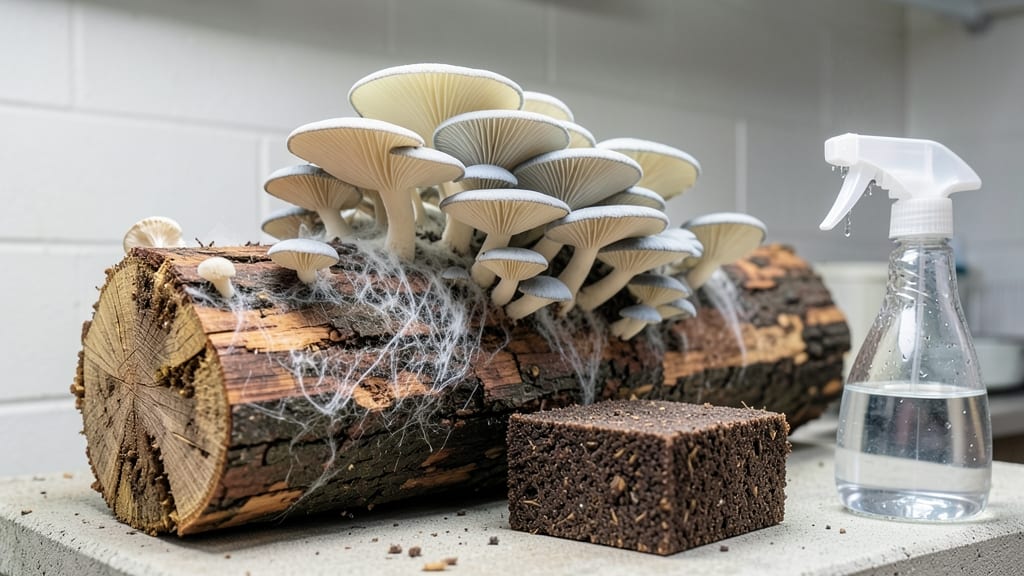
The right fungus garden soil blend transforms your soil from a battleground to a thriving ecosystem where beneficial fungi outcompete pests naturally. 🌿 I’ve spent years perfecting this approach after losing crops to damp, smothered roots—until I learned to harness fungi as allies instead of enemies.
This isn’t about eliminating fungi entirely (that’s impossible and unwise), but creating balance so my tomatoes, peppers, and herbs grow strong without chemical interventions.
Most fungal problems stem from two root causes: overwatering and compacted soil that traps moisture. Poor drainage turns soil into a petri dish for harmful pathogens, while beneficial mycorrhizae—those tiny fungal threads—get crowded out. The solution?
A soil mix that improves aeration, retains moisture without drowning roots, and feeds the good guys. Think 60% compost, 30% coarse sand or perlite, and 10% worm castings—a recipe that mimics nature’s own fungal partnerships.
Within 4-6 weeks, you’ll notice healthier roots, fewer wilting plants, and a soil that smells rich rather than sour. The key is consistency: test your soil’s moisture by squeezing a handful—it should crumble, not squish.
For existing fungal issues, add 1-2 inches of fresh compost and chop-and-drop mulch to starve pathogens while feeding beneficial microbes. This method works for containers, raised beds, and in-ground gardens alike.
Here’s the game-changer: mycorrhizal inoculant—a powder you mix into soil to jumpstart the good fungi. It’s the difference between a garden that survives and one that thrives. Start with a small batch, monitor your plants, and scale up as you see stronger growth and fewer fungal signs.
The payoff isn’t just healthier crops—it’s soil that works with you, not against you.
Root Causes Of Fungal Imbalance
Fungal imbalances in garden soil—whether too much or too little—rarely happen by accident. They’re usually the result of disrupted ecosystems, poor soil management, or environmental stress. Understanding these triggers helps you restore balance naturally, without harsh chemicals. Here’s why your fungus garden soil might be acting up:
Fungi thrive in stable, moderate temperatures (typically 60–85°F / 15–30°C). When soil heats up or cools down too quickly—like in intense summer sun or frost-heavy winters—fungal activity slows or dies off. This creates gaps that competitive bacteria or weeds (like mold) fill instead.
Why it matters: Fungi decompose organic matter slowly in cold soil, while extreme heat can sterilize beneficial mycelium networks. Over time, this shifts your soil’s microbial makeup toward less diverse, less resilient communities.
Actionable fix: Use mulch (straw, wood chips) to insulate soil, or plant shade-tolerant covers (like clover) to moderate temps.
Fungi need moisture—but not soggy conditions. Too much water drowns mycelium (cutting off oxygen), while too little stresses fungal growth. Here’s the breakdown:
- Overwatering: Creates anaerobic (oxygen-free) zones, favoring pathogenic fungi (like Phytophthora) over beneficial ones.
- Underwatering: Forces fungi to compete aggressively for dwindling moisture, often leading to spore overproduction (which can cause mold).
- Poor drainage: Traps salt buildup from fertilizers, further inhibiting fungal networks.
Actionable fix:
- Test soil moisture with your finger—top 1–2 inches should feel like a wrung-out sponge.
- Amend heavy clay soil with perlite or compost to improve aeration.
- Avoid overhead watering; use drip irrigation to keep fungal beds evenly moist.
Fungi don’t work alone—they’re part of a symbiotic web with bacteria, protozoa, and nematodes. When this balance tips (often due to chemical fertilizers or tilling), fungi lose their allies and either overgrow or vanish.
- Chemical fertilizers: Synthetic nitrogen favors fast-growing bacteria over slow, complex fungi, starving mycelium of resources.
- Tilling: Physically severs fungal hyphae (their root-like structures), disrupting their ability to network.
- Monoculture planting: Depletes soil of diverse nutrients, forcing fungi to specialize aggressively (e.g., favoring one mold strain over hundreds of beneficial species).
Actionable fix:
- Swap synthetic fertilizers for compost tea or worm castings to feed the whole food web.
- Use no-till gardening to preserve fungal highways in the soil.
- Plant diverse crops (e.g., legumes + fungi-loving plants like tomatoes) to mimic natural ecosystems.
Fungi feast on decaying plant material. Without a steady supply of carbon-rich inputs (like leaf litter, wood chips, or compost), they starve or switch to parasitic modes (e.g., attacking plant roots for nutrients).
Why it matters: Bare soil = no fungal buffet. When fungi turn desperate, they may produce more spores (leading to mold) or invade plant roots (causing diseases like root rot).
Actionable fix:
- Add chop-and-drop mulch (e.g., grass clippings, shredded leaves) regularly.
- Incorporate biochar or coconut coir to lock in carbon and improve fungal colonization.
- Avoid removing all plant debris—leave 20–30% of last year’s mulch as a fungal “starter kit.”
Not all soil invaders are fungi—insects, nematodes, and broad-spectrum herbicides can wipe out fungal populations faster than you’d think.
- Grubs or wireworms: Feed on fungal hyphae, breaking down mycelium networks.
- Nematodes (especially predatory types): Can overconsume beneficial fungi if their populations explode.
- Herbicides (e.g., glyphosate): Kill fungi indiscriminately, leaving soil vulnerable to toxic mold or bacterial takeovers.
Actionable fix:
- Introduce beneficial nematodes (like Steinernema) to target pests without harming fungi.
- Use compost extracts or neem oil to deter pests without chemicals.
- If herbicides were used, rebuild soil with fungal inoculants (e.g., Trichoderma or mycorrhizal fungi).
Revive Your Soil Naturally
Fungus in garden soil can feel like a setback, but with the right approach, you can restore balance and create a thriving, pest-resistant environment. Below are targeted solutions for common issues—from excess moisture to poor circulation—along with prevention tips to keep your soil healthy long-term.
If your soil stays soggy for too long, fungi like Phytophthora or Pythium thrive, causing root rot. Here’s how to dry it out safely:
- 🍳 Improve Drainage First
- Mix in coarse sand, perlite, or coconut coir (1 part amendment to 3 parts soil) to break up compacted areas.
- For containers, drill drainage holes if missing and add a layer of gravel at the bottom.
- 👨🍳 Reduce Moisture Gradually
- Water only when the top 1–2 inches of soil feel dry (stick your finger in to test).
- Use a moisture meter for precision—aim for 40–60% moisture (not saturated).
- ⏰ Speed Up Drying
- Spread a thin layer of straw or wood chips on top to absorb excess moisture while insulating roots.
- If possible, move pots to a shadier spot (direct sun helps evaporation).
💡 Pro Tip: Avoid mulching too heavily in rainy seasons—stick to 1–2 inches of organic mulch to prevent smothering.
Fungi love acidic or alkaline extremes. Test your soil’s pH (ideal: 6.0–7.0 for most plants) and adjust:
| Issue | Fix | Prevention |
|---|---|---|
| Too Acidic (pH <6.0) | Add crushed limestone or wood ash (sprinkle lightly and water in). | Mix in composted manure (raises pH slowly). |
| Too Alkaline (pH >7.0) | Work in sulfur or peat moss (follow package rates). | Use pine needles as mulch (acidifying). |
| Neutral (6.0–7.0) | Maintain with compost tea or kelp meal (boosts microbial balance). | Rotate crops to avoid pH depletion. |
✨ Bonus: Vinegar test for pH—mix 1 part white vinegar with 1 part water, spray on soil. If it fizzes, your soil is alkaline; no reaction = acidic.
Good bacteria and fungi (like Trichoderma) crowd out pathogens. Activate them with:
- 🥗 Feed the Soil Food Web
- Compost tea: Brew finished compost in water (1:5 ratio) for 24–48 hours, strain, and spray on soil.
- Mycorrhizal inoculant: Mix into planting holes for root-zone protection (great for perennials).
- 🌱 Plant Fungal Allies
- Interplant with garlic, chives, or marigolds—their compounds inhibit harmful fungi.
- Use clover or alfalfa as cover crops to boost nitrogen and microbial activity.
- 🔪 Remove Infested Debris
- Pull up moldy mulch, diseased leaves, or rotting wood—don’t compost them!
- Sterilize tools with 70% isopropyl alcohol between uses.
🎯 Prevention Tip: Avoid fresh manure near roots—it can introduce fungal spores. Use well-aged compost instead.
Stagnant, shaded soil traps moisture and fungi. Improve circulation with:
- 🔥 Prune Overgrown Plants
- Thin out dense foliage (e.g., hostas, ferns) to let air and light reach the soil.
- Remove deadheading flowers—they harbor spores.
- 🌿 Loosen Compacted Soil
- Use a hand fork or broadfork to aerate 6–12 inches deep (especially clay soils).
- Top-dress with leaf mold or worm castings to improve structure.
- ☀️ Optimize Sun Exposure
- Morning sun is best—it dries dew quickly without scorching plants.
- In containers, rotate pots weekly for even sun exposure.
💡 Pro Tip: Raise beds slightly (4–6 inches) to prevent water pooling. Use gravel or broken terracotta pots as a base for drainage.
With these fixes, your soil will shift from a fungal hotspot to a balanced, pest-resistant ecosystem. Consistency is key—monitor moisture, pH, and plant health weekly to catch issues early!
Frequently asked questions
How do I tell if my fungus garden soil is beneficial or harmful?
Beneficial fungi form fine, white, thread-like networks (mycelium) that improve soil structure, while harmful fungi often appear as moldy gray-green patches or black, slimy spots on plant stems. Healthy fungal soil smells earthy and crumbles easily—like a damp sponge. If you see powdery white coatings (like mildew) or orange/yellow crusts, those are red flags for pathogenic growth.
Can I use coffee grounds in my fungus garden soil?
Yes, but use them sparingly! Coffee grounds are acidic (pH 6.0–6.5) and add carbon, which feeds beneficial fungi. Mix 1 part grounds to 3 parts soil and bury them 2–3 inches deep to prevent mold. Too much can create anaerobic zones—ideal for harmful fungi. For best results, compost them first or add them in small batches over time.
How often should I add mycorrhizal inoculant to my soil?
Start with 1–2 teaspoons per plant at planting time, then reapply every 3–6 months for established gardens. For new beds, mix 1 pound of inoculant per 100 square feet into the top 6 inches of soil. Overuse can disrupt natural fungal balance—think of it as a boost, not a replacement for organic matter. Water thoroughly after applying to activate the spores.
What’s the fastest way to fix overly wet fungus garden soil?
Improve drainage immediately by mixing in coarse sand or perlite (1:3 ratio with soil) and top-dressing with 1–2 inches of straw mulch. For containers, ensure drainage holes exist and elevate pots on feet or gravel. Avoid watering until the top 1–2 inches feel dry—fungi need moisture, but not saturation. If mold appears, sprinkle food-grade diatomaceous earth lightly to absorb excess moisture.
Can I reuse soil from a fungal-infected garden?
Yes, but sterilize it first! Spread the soil in a sunny, thin layer (2–3 inches) and let it bake for 2–3 weeks to kill pathogens. Alternatively, mix in 10% fresh compost and 1 cup of hydrogen peroxide (3%) per gallon of soil to break down harmful spores. Test the soil afterward—if it smells sweet or has visible mold, repeat the process or discard it.