
Lawn
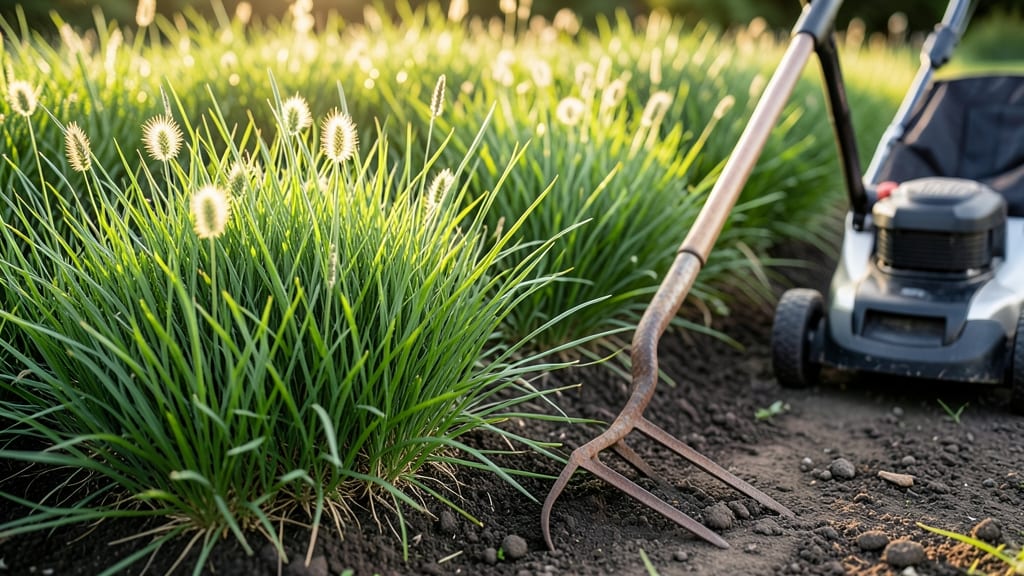
The right garden and lawn care habits ensure your space flourishes year-round, long before summer’s first bloom. I’ve spent years perfecting a simple routine that keeps my yard lush in every season, from crisp spring greens to frost-kissed winter dormancy.
The secret isn’t fancy tools or expensive treatments—it’s understanding what your soil, plants, and grass truly need to stay vibrant.
You’ll need basic supplies: a good rake, a sharp pair of pruners, a hose with a spray nozzle, and maybe a spreader if you fertilize.
The real work happens in the soil—testing it once a year tells you exactly what nutrients are missing, so you can feed your plants the right way. Watering isn’t just about keeping things damp; it’s about deep, infrequent soakings that encourage strong roots.
I’ve seen lawns transform in just a few months once I adjusted my watering schedule.
By the end of your first season, you’ll notice thicker grass, fewer weeds, and plants that bounce back from pests without chemicals. The smell of fresh-cut grass in summer and the quiet satisfaction of winter-prepped beds will make every effort worth it.
This isn’t about perfection—it’s about creating a yard that works for you, no matter the season.
Whether you’re dealing with shade, clay soil, or a busy schedule, these techniques adapt easily. Let’s get your garden and lawn looking effortlessly healthy all year long—no green thumb required, just consistent care.
📚 In This Guide
- What you need
- Instructions
- Tips and common mistakes
- Wrapping up and next steps
What you need
- ● High-quality soil: 1–2 cubic yards (depending on garden size), enriched with compost or organic matter (aim for 60% topsoil, 30% compost, 10% perlite/sand).
- ● Mulch: 2–3 inches of organic mulch (e.g., wood chips, straw, or shredded bark) to retain moisture and suppress weeds.
- ● Fertilizer: Slow-release granular: 10–20 lbs per 1,000 sq. ft. (e.g., 16-4-8 or 10-10-10 NPK ratio).
- ● Liquid feed: 1–2 gallons for foliar sprays (e.g., fish emulsion or seaweed extract).
- ● Pest control: Neem oil (1–2 oz per gallon of water) or insecticidal soap for organic options.
- ● Weed barrier: Landscape fabric (10–20 sq. ft. per garden bed) to block weeds without chemicals.
- ● Hand tools: Pruners (bypass type for clean cuts).
- ● Garden trowel (6–8 inches).
- ● Hand weeder (for stubborn roots).
- ● Rake (bow or leaf rake, depending on debris).
- ○ Power tools (optional but helpful): Lawn mower (self-propelled or push, with adjustable height settings).
- ● String trimmer (for edges and tight spots).
- ● Hedge trimmer (if you’ve got shrubs or borders).
- ● Soil aerator (spike or core type, for compacted lawns).
- ● Safety gear: Work gloves (gardening-specific, with reinforced palms).
- ● Knee pads (for comfort during long sessions).
- ● Sunscreen (SPF 30+) and a wide-brimmed hat.
- ● Soil test: Kit ($15–$25) or send a sample to your local Cooperative Extension Service for pH and nutrient analysis.
- ● Weather check: Plan tasks around mild, dry days (avoid watering or fertilizing before rain).
- ● Lawn mowing height: Set your mower to 3–4 inches for cool-season grasses or 1–2 inches for warm-season (adjust based on your grass type).
- ● Water source: Garden hose (50+ ft. with adjustable nozzle) or drip irrigation system for efficiency.
- ● Compost bin (for recycling yard waste into nutrient-rich soil).
- ● Rain gauge (to track watering accuracy).
- ● Plant markers (for labeling herbs, veggies, or perennials).
- ● Wheelbarrow (for hauling soil, mulch, or debris).
- ● Smart sprinkler timer (Wi-Fi enabled for automated watering).
Instructions for seasonal garden and lawn care maintenance
Keeping your garden and lawn vibrant year-round takes a few key seasonal adjustments. Here’s how to maintain them with minimal effort and maximum impact.
Spring Setup for New Growth
Start by removing any dead plant debris from winter, as it can harbor pests and diseases. Use a rake to clear fallen leaves and old mulch from garden beds. This also aerates the soil slightly, helping roots breathe as temperatures rise. I like to do this in early spring—around mid-March—before the first signs of new growth appear.
Next, spread a 2-3 inch layer of compost over garden beds to replenish nutrients. Work it lightly into the top 1-2 inches of soil with a garden fork, but don’t dig too deep—this can disturb roots. For lawns, apply a slow-release fertilizer in early spring to support grass recovery after winter dormancy. Water the area thoroughly after fertilizing to help nutrients penetrate the soil.
Summer Watering and Weed Control
During summer, water your garden deeply 1-2 times per week rather than daily shallow watering. Aim for 1-1.5 inches of water per week, delivered early in the morning to reduce evaporation. You’ll know you’ve watered enough when the top 2-3 inches of soil feel moist—not soggy. Mulch around plants to retain moisture and suppress weeds, keeping the layer 2-3 inches thick.
Weeds compete for water and nutrients, so pull them when they’re small and the soil is moist. I use a hoe to cut weeds at the soil line rather than digging them out—this saves time and reduces soil disturbance. For stubborn weeds, apply a vinegar-based herbicide in late afternoon to avoid burning desirable plants. Always spot-treat weeds rather than spraying entire areas.
Fall Soil Preparation for Winter
As temperatures drop in fall, reduce watering gradually to harden off plants. Stop fertilizing by mid-October to allow roots to strengthen before dormancy. In garden beds, remove spent annuals and add a fresh layer of compost or well-rotted manure to feed the soil over winter. For perennials, cut back dead foliage but leave 2-3 inches of stems to protect crowns from freezing temperatures.
For lawns, apply a winterizer fertilizer in late fall to support root growth during dormancy. Rake up fallen leaves to prevent smothering grass and mow one last time when growth slows—set the mower blade to 2-3 inches to leave grass slightly taller for insulation. Overwintering plants like hostas and hellebores benefit from a 2-3 inch layer of mulch to protect roots from freezing.
Winter Protection and Planning
In winter, focus on protecting tender plants from frost. Group them near walls or use burlap wraps to shield stems from cold winds. Prune dead branches from shrubs and trees to improve airflow and reduce disease risk. I also take this time to sketch a garden layout for the coming year, noting where perennials need dividing and where new plants will go.
Check irrigation systems for leaks and drain hoses to prevent freezing. Store tools in a dry place and sharpen blades for spring. If you’re adding new plants, order them in early winter to get the best selection. This quiet season is perfect for planning—so grab a notebook and start dreaming up your next garden transformations.
Tips & tricks for perfect seasonal garden and lawn care
Here’s how to make your seasonal maintenance even more effective without extra work.
Timing is Everything: The mid-March timing for spring cleanup in Step 1 is crucial because that’s when soil temperatures start warming up, encouraging new growth. If you wait too long, you risk disturbing emerging roots. I’ve found that checking for the first signs of new growth—like tiny shoots or budding leaves—is a better indicator than just following a calendar date.
Compost Layering: When you spread that 2-3 inch layer of compost in Step 1, focus on distributing it evenly across the garden bed rather than piling it in one spot. This ensures nutrients are spread where they’re needed most. For lawns, I recommend using a spreader for even fertilizer distribution in early spring—it saves time and prevents over-fertilizing in spots.
Watering Wisdom: The summer watering instructions mention deep watering 1-2 times per week, but I’ve learned that timing matters just as much as quantity. Early morning watering (between 4-8 AM) minimizes evaporation and reduces fungal diseases that thrive in damp leaves. A simple rain gauge can help track your 1-1.5 inches of weekly water—many people overestimate how much they’re actually delivering.
Fall Preparation: In Step 3, leaving 2-3 inches of stems on perennials might seem counterintuitive, but this actually protects the crown from freezing temperatures better than cutting back completely. For lawns, that final mowing at 2-3 inches creates natural insulation against winter cold. I’ve seen grass survive harsh winters just by following this simple height guideline.
Pro Tips for Garden And Lawn Care
- Here’s how to make your seasonal maintenance even more effective without extra work.
- Timing is Everything: The mid-March timing for spring cleanup in Step 1 is crucial because that’s when soil temperatures start warming up, encouraging new growth.
- Compost Layering: When you spread that 2-3 inch layer of compost in Step 1, focus on distributing it evenly across the garden bed rather than piling it in one spot.
Frequently asked questions
Got questions about keeping your garden and lawn lush year-round? You’re not alone! Here are answers to some of the most common concerns—from timing to troubleshooting—so you can tackle your outdoor space with confidence.
When is the best time to aerate my lawn?
Aerate your lawn in early fall (September-October) or late spring (April-May) when the soil is warm and grass is actively growing. Avoid aerating during droughts or extreme heat—wait for at least 1-2 weeks after watering. For cool-season grasses, fall is ideal; warm-season grasses thrive with spring aeration. Pro tip: Rent a core aerator for best results!
How often should I mow my lawn?
Mow your lawn once a week during peak growing season (spring/summer) and every 2-3 weeks in fall/winter. Never cut more than ⅓ of the grass blade at a time—this prevents stress and promotes deep roots. Adjust your mower height: taller grass (3-4 inches) shades soil, reducing weeds and moisture loss. Sharpen blades annually for cleaner cuts!
Why is my lawn turning brown, even with regular watering?
Brown patches often signal underwatering, overwatering, disease, or pests. Check soil moisture 2-3 inches deep—it should feel like a damp sponge. If fungus is suspected (e.g., circular brown spots), improve airflow by mowing high and avoiding wet foliage. Grubs or chinch bugs? Apply organic nematodes or contact a local extension service for targeted solutions. Test your soil pH too—extremes (below 6.0 or above 7.5) can stunt grass.
Can I replace my lawn with drought-resistant plants?
Swap thirsty grass for native perennials, succulents, or clover to slash water use by 50-70%. Choose plants suited to your climate (e.g., sedum for dry areas, fescue for shade). Mulch with wood chips or gravel to retain moisture. Start small: replace high-traffic sections first. Group plants by water needs to simplify care!
How do I get rid of weeds without harsh chemicals?
Try these natural methods:
- Vinegar spray: Mix 1 gallon white vinegar + 1 oz dish soap; spray weeds on sunny days (avoid desirable plants).
- Boiling water: Pour directly on weed roots for instant kill.
- Mulch: Smother weeds with 3+ inches of straw or shredded leaves.
- Hand-pull: Best after rain when soil is soft—grab the root!
Wrapping up and next steps
A lush, thriving garden and lawn aren’t just about luck—they’re the result of consistent care, smart planning, and a little passion. 🌱 Whether you’re tackling seasonal shifts, troubleshooting pests, or fine-tuning your routine, the key is to stay proactive and adaptable.
With the right tools, techniques, and a willingness to learn, your outdoor space can become the envy of the neighborhood!
Ready to take the next step? Start small—pick one technique from this guide and commit to it for a month. Track your progress, celebrate your wins, and don’t hesitate to experiment. Your garden’s success is just a shovel’s throw away!