
Lawn
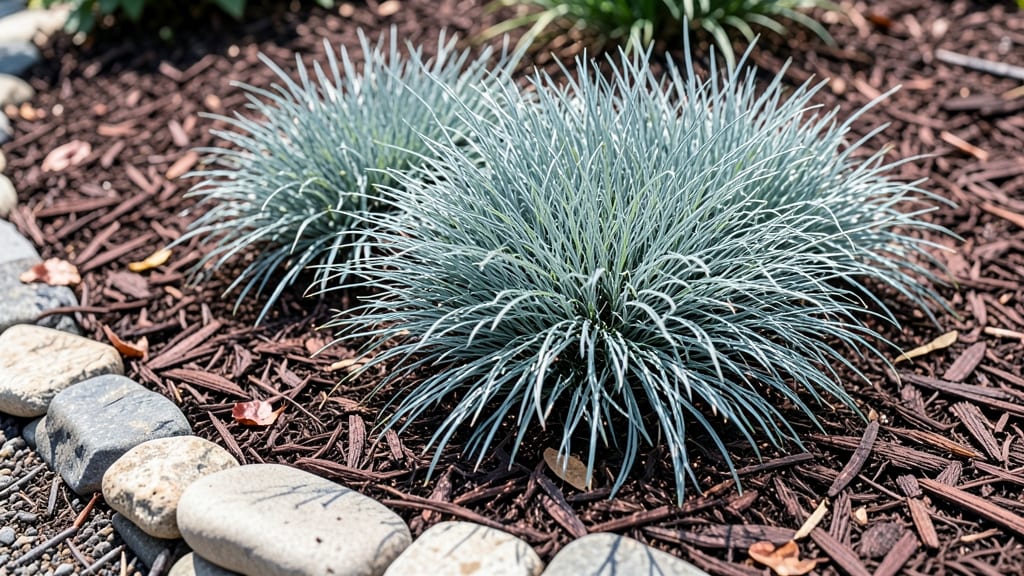
Grass in garden beds isn’t just a mistake—it can be a deliberate design choice that cuts down on maintenance while adding texture and movement. 🌱 I used to see it as an eyesore until I realized how much easier it made edging my flower beds without the weekly mowing.
The right grass variety can soften hard lines, suppress weeds, and even frame your plants like a natural border.
The trick is picking the right grass for the job. Ornamental grasses like miscanthus or fountain grass bring height and drama, while low-growing types like creeping red fescue work perfectly as a living edge.
Plant them in a 3- to 6-inch band along the bed’s perimeter, and they’ll grow just enough to keep weeds out without crowding your flowers. Pair them with lavender, sedum, or ornamental thyme for a cohesive, low-maintenance look.
Once established, this setup saves hours of weeding and trimming while giving your garden a polished, intentional feel. The contrast between the fine texture of grass and the bold blooms of your perennials creates depth, and the movement of grass in the breeze adds life to the scene.
It’s the kind of detail that makes a garden feel finished without requiring constant upkeep.
Works for both sunny and partially shaded beds, and you can adjust the width or height of the grass to match your design style. Whether you’re framing a rose bed or softening the edge of a vegetable patch, this approach turns a common frustration into a standout feature.
Let’s make it work for your garden!
The Hidden Reasons Grass Invades
Grass creeping into garden beds isn’t just an eyesore—it’s a sign your landscape is fighting an uphill battle. Understanding the root causes helps you strategize better. Here’s why it happens, broken down into actionable science-backed reasons:
Grass seeds are lightweight and travel easily, especially from nearby lawns or wild areas. A single blade of grass can produce thousands of seeds per season, and even a light breeze can carry them into your garden beds.
Animals—like birds, squirrels, or even your dog—can also transport seeds on their fur or drop them in their waste.
How to prevent it:
- Remove grass clippings from lawn edges before mowing.
- Install physical barriers like edging strips or mulch to block seed entry.
- Use seed-proof fabric under mulch in new garden beds.
Grass thrives in open, nutrient-rich soil, while many garden plants struggle to compete. If your garden beds have bare patches, weak mulch, or sparse plantings, grass seeds find the perfect home. Even established plants can’t outcompete aggressive grass species like Kentucky bluegrass or crabgrass without proper care.
How to prevent it:
- Plant densely to crowd out weeds (the "sheet mulching" method works well).
- Use thick mulch (3–4 inches) to block sunlight and suppress grass growth.
- Add competitive ground covers like clover or creeping thyme to outmuscle grass.
Grass loves full sun and consistent moisture, while many garden plants prefer shade or drier conditions. If your garden beds have:
- Thin mulch (allowing weeds to sprout),
- Drip irrigation leaks (overwatering certain spots),
- Patchy shade (letting grass dominate sunny areas),
…grass will exploit these weak spots faster than your desired plants can establish.
How to prevent it:
- Adjust watering zones to avoid oversaturating garden beds.
- Use shade cloth in hot, sunny areas if your plants can’t handle full sun.
- Check for irrigation runoff that may be fertilizing grass unintentionally.
Even well-meaning lawn care can encourage grass spread:
- Over-fertilizing lawns (grass grows faster and seeds more aggressively).
- Skipping pre-emergent herbicides in spring (lets crabgrass and other weeds take over).
- Using string trimmers too close to beds (can scatter grass clippings and seeds).
How to prevent it:
- Apply corn gluten meal (a natural pre-emergent) in early spring.
- Keep lawn edges mowed high (3–4 inches) to reduce seed production.
- Use a weed barrier (like cardboard + mulch) along lawn-garden transitions.
Grass thrives in warm seasons (spring and fall) when soil is moist and temperatures are ideal. Cool-season grasses (like fescue) grow aggressively in early spring, while warm-season grasses (like Bermuda) take over in summer. If your garden beds are new or recently disturbed, grass will exploit seasonal weaknesses.
How to prevent it:
- Time your planting for cooler months when grass grows slower.
- Use vinegar or boiling water on new grass sprouts in early spring.
- Monitor seasonal shifts—grass invades most when your garden plants are dormant.
Grass spreads via rhizomes (underground stems), stolons (above-ground runners), or seeds.
To win, you need a multi-pronged defense: ✅ Block entry points (edging, mulch, barriers). ✅ Outcompete it (dense planting, ground covers). ✅ Starve it (consistent mulch, proper watering). ✅ Kill it early (vinegar, pre-emergent, or manual removal).
By tackling these causes head-on, you’ll keep your garden beds lush—and grass-free! 🌿✨
Quick Fixes for Unwanted Grass Spread
Seeing grass creep into your garden beds can be frustrating, but the good news is that most issues have simple, effective solutions. Below, we’ve mapped common causes to practical fixes—plus prevention tips to keep your garden beds looking sharp and intentional. Let’s tackle this step by step!
Cause: Loose or improper edging lets grass roots spread beneath mulch or soil. Fix:Upgrade your edging game with these easy methods:
- 🔥 Install Physical Barriers: Use metal, plastic, or stone edging to create a clean break between lawn and beds. Drive it at least 2 inches deep to block roots.
- 🍳 Layer Cardboard or Landscape Fabric: Before adding mulch, lay down unwaxed cardboard or fabric to smother grass. Overlap edges by 6 inches for full coverage.
- 👨🍳 Apply Pre-Emergent Herbicide (Optional): For stubborn grass, spray a corn gluten-based pre-emergent in early spring to prevent new sprouts.
💡 Pro Tip: Water the bed before edging to compact soil and make installation easier.
Cause: Thin or decomposing mulch lets grass push through. Fix:Thicken and refresh your mulch layer for a grass-free zone:
- 🔪 Remove Existing Mulch: Rake out old mulch and check for grass. Pull any visible roots or shoots by hand.
- 🥘 Add 3–4 Inches of Fresh Mulch: Use wood chips, straw, or pine needles—avoid dyed mulch, which can harm plants. Press edges firmly into the soil.
- ⏰ Reapply Annually: Top off mulch in spring to maintain a thick barrier.
🌡️ Warning: Never mulch directly against tree trunks or plant stems—keep a 2-inch gap to prevent rot.
Cause: Lawn grass grows aggressively into beds due to mowing or lack of maintenance. Fix:Stop the grass at the source with these targeted steps:
- 🔥 Trim Lawn Edges Precisely: Use a string trimmer or edging tool to cut grass flush with the bed. Angle cuts slightly upward to prevent regrowth.
- 🍳 Solarize the Area (For Heavy Infestations): Cover the grassy section with clear plastic sheeting for 4–6 weeks in hot weather. The sun will kill it.
- 👨🍳 Hand-Pull or Spot-Treat: For small patches, dig out grass with a weeding tool or apply vinegar-based herbicide (20% acetic acid) to kill roots.
🎯 Prevention Tip: Mow lawns higher (3–4 inches) to shade out weeds and reduce grass spread.
Cause: Water from sprinklers or rain carries grass seeds/clippings into beds. Fix:Adjust your irrigation to protect garden borders:
- 🔥 Redirect Sprinklers: Aim heads away from beds or use soaker hoses for targeted watering.
- 🍳 Install a Berm or Swale: Create a slight mound of soil along the lawn edge to catch runoff before it reaches beds.
- 👨🍳 Use Drip Irrigation: Place emitters only in beds to minimize overspray.
✨ Bonus: Add a 1-inch layer of gravel between the lawn and bed as a natural runoff barrier.
Keep grass out for good with these habits:
- ✅ Inspect Edges Monthly: Check for grass sneaking in and remove it before it establishes roots.
- ✅ Mulch Heavily in Spring: A 4-inch layer blocks 90% of grass seeds.
- ✅ Avoid Overwatering Lawns: Dry soil slows grass growth and seed spread.
- ✅ Plant Ground Covers: Use creeping thyme, clover, or ajuga to outcompete grass naturally.
Frequently asked questions
Is it okay to intentionally plant grass along garden bed edges?
Ornamental grasses like miscanthus or creeping red fescue create natural borders that suppress weeds while adding texture. Plant them in a 3- to 6-inch band along edges—they’ll grow just enough to block grass invasion without crowding flowers.
What’s the best way to stop grass from creeping into established beds?
Start with a 4-inch layer of mulch (wood chips or straw) and install physical edging (metal or stone) at least 2 inches deep. For stubborn patches, solarize the area with clear plastic for 4-6 weeks in hot weather.
Can I use vinegar to kill grass in garden beds?
Yes, but use 20% acetic acid vinegar (full-strength) on small patches. Spray directly on grass (avoid desirable plants) and reapply after rain. For large areas, it’s less practical than mulch or edging. Always test a small spot first.
What grass types work best as intentional garden borders?
Low-growing options like creeping red fescue or ajuga create tidy edges, while taller varieties like fountain grass add drama. For shade, try Japanese forest grass—it stays lush without overpowering flowers.
Will grass in garden beds attract pests?
Only if it’s overgrown or harboring insects. Well-maintained ornamental grasses (like maiden grass) actually repel pests by improving airflow. Keep beds mulched and edged to prevent moisture buildup, which attracts slugs or ants.