
Tools
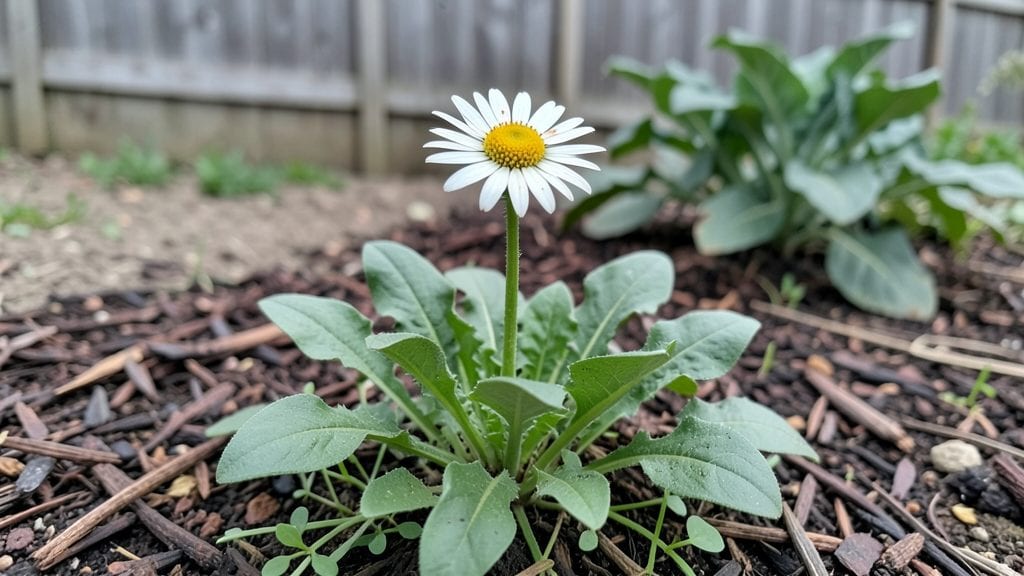
The garden daisy flower transforms any yard into a buzzing pollinator paradise with almost no effort—now I can’t imagine a summer without their cheerful blooms. 🌻 I planted my first batch three years ago after seeing how bees and butterflies flocked to them— cheerful faces.
The secret lies in their adaptability: they thrive in ordinary soil, handle drought better than most perennials, and bounce back from neglect like it’s nothing.
You’ll need full sun to partial shade, well-draining soil (even rocky spots work), and patience for the first year while roots establish. Most varieties bloom from early summer through fall, with some reblooming if you deadhead spent flowers.
My go-to is ‘Becky’—a compact perennial that multiplies every year without needing division, though annual types like ‘Vanilla’ offer instant color for container gardens.
By midsummer, you’ll have clouds of white-and-yellow blooms that last for weeks, attracting monarchs and honeybees while keeping deer and rabbits away. The foliage stays tidy with minimal pruning—just snip back browned stems in late fall to prep for next year.
Even my black thumb can’t kill these, and they spread so reliably you’ll have extras to share.
Works in USDA zones 3-9, from cottage gardens to city planters, and handles winter just fine with a little mulch. Here’s how to get started without overthinking it—because these flowers reward laziness more than perfection.
📚 In This Guide
- What you need
- Instructions
- Tips and common mistakes
- Wrapping up and next steps
What you need
- ● Garden daisy seeds or nursery plants: 1–2 packets of seeds (or 3–5 young plants for instant blooms)
- ● Choose varieties like Leucanthemum × superbum (Shasta daisy) or Bellis perennis (English daisy)
- ● Well-draining potting mix or garden soil: 5–10 gallons (for containers) or amended garden bed soil
- ● Add compost (1 part compost to 3 parts soil) for nutrients
- ● Containers or garden bed: Containers: 6–12-inch pots (1–2 plants per pot) with drainage holes
- ● Garden bed: Full sun (6+ hours/day) or partial shade (for cooler climates)
- ● Watering can or hose with a gentle spray nozzle
- ○ Mulch (optional but helpful): 2–3 inches of straw or shredded bark to retain moisture
- ● Hand trowel or transplanting spade
- ○ Gloves (optional, for handling soil or thorns)
- ● Pruning shears (for deadheading)
- ● Fertilizer (balanced 10-10-10 or compost tea) – Apply every 4–6 weeks
- ○ Stakes or cages (optional, for tall varieties like Shasta daisies)
- ○ Peat moss or perlite (optional, for improving soil drainage)
- ● Check your USDA hardiness zone (most daisies thrive in zones 3–9)
- ● Plant in spring or early fall (avoid extreme heat)
- ● Ensure your area gets at least 4–6 hours of sunlight daily
Step-by-Step instructions for planting garden daisy flowers
Here's the simple, foolproof method I use to grow these cheerful pollinator magnets—no green thumb required.
🌱 Step 1: Choose the Perfect Planting Spot
Garden daisies thrive in full sun with at least 6-8 hours of direct light daily. Scout your yard for an open area with well-draining soil—these flowers hate soggy roots. I test drainage by digging a 6-inch hole and filling it with water; if it drains within an hour, it's perfect.
Daisies tolerate poor soil but grow best in slightly acidic to neutral soil with a pH of 6.0-7.0. If your soil is heavy clay, amend it with a 2-inch layer of compost before planting. You'll see the difference in how vigorously the plants establish themselves.
🌱 Step 2: Prepare the Soil and Plant Seeds or Transplants
For seeds, sow them ¼ inch deep in rows 12-18 inches apart, spacing individual seeds 6-12 inches apart. Thin seedlings to 12 inches apart once they develop 2-3 true leaves—this prevents overcrowding and encourages larger blooms. I plant seeds in early spring, about 2-3 weeks before the last frost.
If using transplants, dig holes twice as wide as the root ball and space them 12-18 inches apart. Gently remove plants from their containers and place them in the holes, ensuring the top of the root ball sits just below soil level. Backfill with soil and press lightly around the base to eliminate air pockets.
💧 Step 3: Water Deeply and Establish a Routine
Water immediately after planting to settle the soil and encourage root contact. Give the area 1 inch of water per week, either from rainfall or irrigation. I water deeply once a week rather than daily shallow watering—this trains roots to grow deep, making plants more drought-tolerant.
Keep the soil consistently moist but not soggy during the first 2-3 weeks to help roots establish. You'll know moisture is right when the top 1-2 inches of soil feel slightly damp. Once plants are established, they handle dry spells beautifully—just avoid letting them wilt completely.
☀️ Step 4: Maintain and Encourage Blooms
Deadhead spent blooms by snipping off the flower heads with clean pruners or fingers—this redirects energy to producing more flowers. I do this every 2-3 days during peak bloom season. Fertilize lightly with a balanced 10-10-10 fertilizer every 4-6 weeks to keep plants vigorous without overstimulating leaf growth.
Daisies rarely need pruning, but if plants look leggy by late summer, cut them back by ⅓ to encourage bushier growth. This also prevents them from flopping over in heavy rain. You'll see fresh, compact growth within 2-3 weeks of pruning.
✂️ Step 5: Prepare for Winter and Next Season
In fall, cut back dead foliage to 2-3 inches above ground level once it turns brown. This prevents disease and pests from overwintering in the garden. I leave the cut stems in place—they provide some winter interest and protect the crown from temperature swings.
In early spring, rake away any remaining debris and add a 1-inch layer of compost around the base of plants. This gives them a nutrient boost for another season of blooms. Daisies self-seed readily, so you'll likely find new volunteers popping up in spring—just thin them to maintain spacing.
Tips & tricks for perfect garden daisy planting
These simple strategies will help you grow a thriving daisy garden with minimal effort—and maximum pollinator appeal.
Sunlight Savvy: While daisies tolerate partial shade, they truly shine (literally) in that 6-8 hours of direct sun mentioned in Step 1. I've seen daisies in morning sun but afternoon shade produce fewer blooms. For the most vibrant flowers, position them where they'll catch sun from 10am to 4pm—this is when they'll put on their best show for bees and butterflies.
Thinning Technique: When thinning seedlings to 12 inches apart in Step 2, don't just pull them—use clean scissors to snip at soil level. This prevents disturbing nearby plants' roots. I also recommend thinning on a cloudy day; seedlings handle the stress better when not battling midday sun. The extra space gives each plant room to develop those showstopping 3-inch blooms we all love.
Watering Wisdom: That 1 inch of water per week guideline works beautifully, but here's my secret: water in the early morning between 6-8am. This gives foliage time to dry completely before evening, reducing fungal risks. I've found daisies planted in containers actually need slightly more—about 1.5 inches per week—because potted soil dries out faster.
Fertilizer Finesse: While the instructions mention a 10-10-10 fertilizer every 4-6 weeks, I've had great success with a low-nitrogen option like 5-5-5 during bloom season. Too much nitrogen pushes leaf growth at the expense of flowers. For organic gardeners, a light application of compost tea every 6 weeks works wonderfully too.
Pro Tips for Garden Daisy Flower
- These simple strategies will help you grow a thriving daisy garden with minimal effort—and maximum pollinator appeal.
- Sunlight Savvy: While daisies tolerate partial shade, they truly shine (literally) in that 6-8 hours of direct sun mentioned in Step 1.
- Thinning Technique: When thinning seedlings to 12 inches apart in Step 2, don't just pull them—use clean scissors to snip at soil level.
Frequently asked questions
How do I keep garden daisies from spreading too aggressively?
Garden daisies (like Leucanthemum varieties) self-seed readily, so contain them by deadheading spent blooms or trimming foliage back in early spring. For a tidier look, plant them in containers or raised beds with barriers. If they pop up where you don’t want them, simply pull or dig them out—no harsh chemicals needed!
When is the best time to plant garden daisies for continuous blooms?
For year-round color, plant in early spring (after the last frost) and again in late summer (6–8 weeks before your first fall frost). Daisies thrive in cool weather and may bolt in extreme heat. Choose varieties like ‘Alpine’ or ‘Corsican’ for longer bloom seasons in milder climates.
Are garden daisies good for attracting pollinators, and how do I maximize their benefits?
Daisies are a pollinator magnet, especially for bees and butterflies. To boost their appeal, plant them near other nectar-rich flowers (like lavender or coneflowers) and avoid pesticides. Leave some spent blooms on the stems—they provide late-season food for insects.
Why are my garden daisy leaves turning yellow or brown?
Yellowing leaves often signal overwatering or fungal issues (like powdery mildew). Ensure soil drains well and space plants 12–18 inches apart for airflow. Brown edges? It might be heat stress—provide afternoon shade in hot climates. Treat mildew with a baking soda spray (1 tsp per quart of water) if needed.
Can I grow garden daisies in containers, and what’s the ideal setup?
Yes! Use pots at least 12 inches deep with drainage holes, and mix potting soil with perlite for aeration. Plant 1–3 daisies per container (depending on size) and water when the top inch of soil feels dry. Containers also let you move plants to sunny spots or protect them from harsh weather.
Pro Tip: Deadhead daisies regularly to encourage more blooms and prevent self-seeding where you don’t want it. Snip stems just above a set of leaves with clean shears for a neat finish!
Wrapping up and next steps
The garden daisy isn’t just a cheerful addition to your yard—it’s a low-maintenance superstar that brings joy to pollinators and your soul! With its bright blooms and effortless care, this flower proves that beauty doesn’t require a green thumb.
Whether you’re a seasoned gardener or just starting, grab your gloves and get planting—your future daisy-filled paradise awaits!
Next Steps:
- 🌱 Pick your spot—sunny and well-drained is key!
- 🛒 Gather supplies (seeds, soil, and maybe some mulch for extra flair).
- 🌿 Start small—try a few daisies in pots or a patch to test the magic.