
Tools
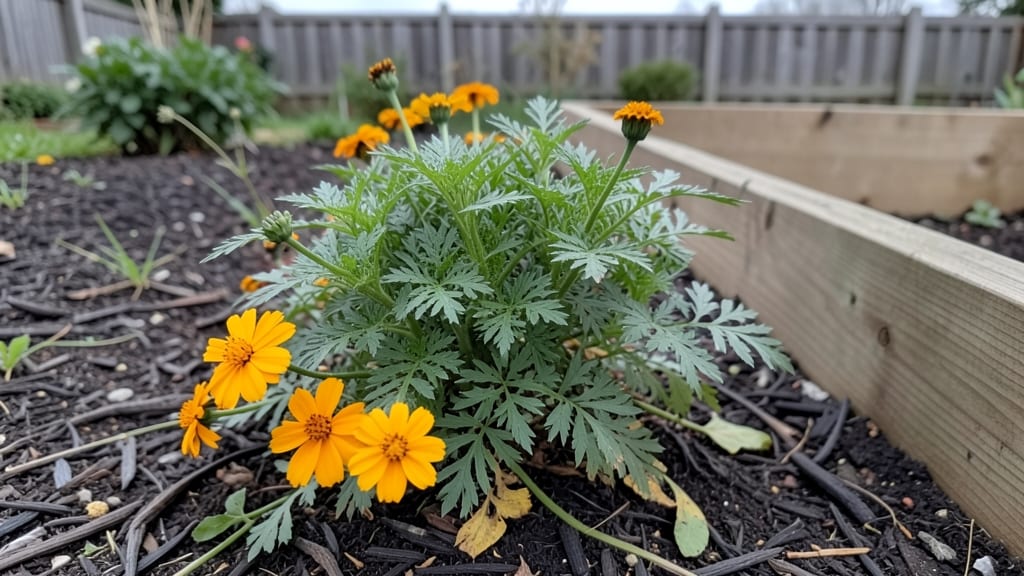
This garden for children’s curiosity turns a backyard into a living classroom where little hands can dig, plant, and discover—balancing safety with engagement through non-toxic, easy-to-grow plants bursting with textures, colors, and scents. 🌱 to spark curiosity.
My own garden became a magnet for neighborhood kids after I swapped traditional perennials for sensory-friendly favorites like sunflowers, lavender, and chives.
Start with a small, defined space—perhaps a raised bed or container garden—where kids can easily reach the soil without bending awkwardly. Add a mini vegetable patch with fast-growing crops like radishes or lettuce, so they see quick rewards.
Include a "fairy garden" corner with pebbles, moss, and tiny plants to fuel their imagination, and a shallow water feature (like a birdbath) for safe water play. The goal is to make gardening feel like an adventure, not a chore.
You’ll end up with a space that grows more than just plants—it nurtures patience, observation skills, and a love for nature. Kids will proudly show off their sunflower towers, sniff lavender sprigs, and even help harvest dinner ingredients.
The best part? They’ll remember these lessons long after school gardens fade from memory. Let’s turn your yard into their favorite playground.
For safety, avoid toxic plants like foxglove or oleander, and keep tools out of reach when not in use. Label plants with pictures or simple names to teach identification, and let them lead—even if that means "helping" by dumping seeds everywhere.
The messier the better; that’s how learning happens. Here’s how to design it right from the start.
📚 In This Guide
- What you need
- Instructions
- Tips and common mistakes
- Wrapping up and next steps
What you need
- ● Potting soil: 5–10 lbs (2.3–4.5 kg) of lightweight, well-draining potting mix (avoid heavy garden soil). Look for organic blends labeled "for seedlings" or "container gardening."
- ● Containers: 3–5 child-safe pots (plastic or biodegradable coconut coir pots for easy transplanting). Sizes: 4–6 inches in diameter.
- ● 1 large shallow tray (12" x 18") for sensory bins or seed-starting.
- ● Seeds or seedlings: Choose fast-growing, tactile, and safe options like: Sunflower seeds (for quick sprouts and big stems to touch).
- ● Moss (e.g., Sheet Moss or Peat Moss) for soft, squishy textures.
- ● Herbs like basil or mint (edible and aromatic).
- ● Marigolds or nasturtiums (bright colors and pest-resistant).
- ● Watering can or spray bottle: A small, easy-to-handle option (e.g., 16 oz spray bottle) for gentle watering.
- ○ Gloves (optional but fun): Child-sized gardening gloves with soft, breathable fabric (e.g., cotton or mesh).
- ● Hand trowel: A plastic or wooden trowel (5–6 inches long) for digging—avoid metal for safety.
- ● Measuring cups/spoons: For precise soil or seed placement (1/4 cup increments).
- ○ Decorative elements (optional): Painted rocks or non-toxic chalk for labeling plants.
- ● Sticks or bamboo stakes to mark growing areas.
- ● Sensory tools: Smooth river stones, pinecones, or a small magnifying glass.
- ● Sunlight access: A south-facing window (for indoor) or partial shade spot (for outdoor).
- ● Safety first: Supervision for kids under 5 years old.
- ● Avoid plants with toxic sap (e.g., poinsettias) or thorns.
Step-by-step instructions for creating a sensory-friendly children's garden
This garden isn't just about growing plants—it's about sparking curiosity and wonder.
🌱 Step 1: Choose a Sunny, Accessible Spot
Select a location that gets at least 4-6 hours of sunlight daily—most children's plants thrive with moderate sun exposure. I always pick a flat, easily accessible area near the house so kids can visit often without supervision. Avoid spots with heavy foot traffic or where pets might dig up the plants.
Clear the area of rocks, weeds, and debris first. Use a small rake to level the ground, creating a smooth surface for planting. If the soil feels hard or compacted, mix in 1-2 inches of compost to improve drainage and fertility. Kids love getting their hands dirty, so let them help with this step—they'll feel ownership over their future garden.
🪴 Step 2: Create Raised Beds or Containers for Easy Access
For young children, raised beds or containers are ideal because they eliminate bending and make planting at their eye level. I use wooden frames (2 feet wide, 4 feet long, 6 inches deep) filled with lightweight potting mix. This keeps the garden contained and prevents weeds from creeping in.
If you prefer containers, choose shallow trays or pots with drainage holes. Group plants by height—tall sunflowers in the back, medium herbs in the middle, and low-growing strawberries or lettuce in the front. Let the kids help fill the beds with soil, using small shovels or their hands. This tactile experience builds excitement and fine motor skills.
🌿 Step 3: Select Sensory-Friendly Plants
Choose plants that engage all five senses: sweet-smelling flowers (like lavender or roses), crunchy textures (such as cabbage or kale), bright colors (marigolds or pansies), edible treats (strawberries or cherry tomatoes), and soft, fuzzy leaves (like lamb’s ear). I always include a mix of fast-growing plants (like radishes) and slower ones (like sunflowers) to keep kids interested over time.
Plant seeds or small seedlings in the prepared beds, spacing them according to the packet instructions. Let the children press the seeds lightly into the soil—this gives them a sense of accomplishment. Water gently but thoroughly after planting to help the seeds settle. You’ll see their faces light up when the first sprouts appear in just a few days.
⏰ Step 4: Add Interactive Elements
Turn the garden into a playful space with a small watering can (let kids practice pouring), a chalkboard or wooden sign for labeling plants, and a bug hotel (a hollow log or stacked sticks) to attract beneficial insects. I also add a sensory path using smooth river rocks or textured mulch for kids to walk on—it’s a fun way to explore different surfaces.
Include a small bird feeder or butterfly feeder to attract wildlife. Kids adore watching birds and butterflies visit their garden. Hang it at a height they can see from their chairs or benches. Add a simple seating area with cushions or a small table where they can sit, observe, and sketch the plants. This makes the garden a place of discovery, not just a chore.
💧 Step 5: Teach Watering and Care Routines
Give each child their own small watering can or spray bottle to encourage responsibility. Teach them to water at the base of the plants (not the leaves) and to check the soil first—if it feels dry 1 inch below the surface, it’s time to water. Overwatering is a common mistake, so I show them how to lift a pot or stick their finger in the soil to test moisture.
Make care a game by assigning each child a "plant parent" role. They can decorate a small sign for their plant and track its growth in a simple journal or chart. Celebrate milestones, like the first true leaves or the first flower, with a small reward or a high-five. This builds confidence and reinforces the joy of nurturing living things.
Tips & tricks for perfect sensory-friendly children's gardens
Here's what I learned after creating dozens of these magical spaces—simple tricks that turn a basic garden into an unforgettable sensory adventure for kids.
The Sunlight Secret: That 4-6 hours of sunlight recommendation isn't just about plant health—it's about creating a reliable routine for kids. I mark the garden boundaries with colorful stakes that show where the sun hits at different times of day. This helps children understand patterns and predict when their plants will get their "sunshine snack." For shadier spots, consider sun-loving plants like marigolds or nasturtiums that still deliver bright colors and textures.
Raised Bed Dimensions Matter: The 2-foot width isn't arbitrary—it's the perfect size for little hands to reach across without stretching. I've found that adding a small wooden ledge around the edges creates a perfect spot for kids to sit and observe their plants at eye level. For containers, use ones with handles so even toddlers can carry their watering cans without spilling. The 6-inch depth gives roots plenty of room while keeping the garden manageable for small helpers.
Plant Pairing Psychology: The sensory combination in Step 3 works best when you create "theme gardens." Group sweet-smelling lavender with fuzzy lamb's ear for a soft texture contrast, or pair crunchy kale with edible strawberries for a tasty surprise. I always include at least one "wow" plant like sunflowers that kids can measure each week—suddenly, math becomes part of the garden experience. The fast-growing radishes give immediate gratification while sunflowers teach patience.
Interactive Element Upgrade: The chalkboard signs from Step 4 can be transformed into mini science journals. Use waterproof chalk to track daily observations like "rainy days," "butterfly visits," or "first true leaves." Add a simple magnifying glass station where kids can examine plant textures up close. I've seen children who initially resisted gardening become completely absorbed when they can document their discoveries like little scientists.
Pro Tips for Garden For Children'S
- Here's what I learned after creating dozens of these magical spaces—simple tricks that turn a basic garden into an unforgettable sensory adventure for kids.
- The Sunlight Secret: That 4-6 hours of sunlight recommendation isn't just about plant health—it's about creating a reliable routine for kids.
- Raised Bed Dimensions Matter: The 2-foot width isn't arbitrary—it's the perfect size for little hands to reach across without stretching.
Frequently asked questions
Got questions about creating a sensory-friendly garden for kids?
You’re not alone! Here are some of the most common queries—and their simple, practical answers to help you grow a fun, engaging, and safe space for little green thumbs.
What are the best low-maintenance plants for a children’s garden?
Start with snapdragons (tough and colorful), sunflowers (fast-growing and cheerful), or marigolds (pest-resistant and fragrant). Herbs like basil or mint are also great—they’re easy to grow and safe for kids to touch (and sometimes taste!). Avoid toxic plants like foxglove or oleander.
How young can kids start gardening?
Even toddlers can join in! For ages 2–4, focus on sensory play (digging, watering, or touching leaves). Kids 5+ can plant seeds, pull weeds, and harvest veggies. Use shallow containers or raised beds to keep it safe and manageable. Supervise closely with younger children to prevent soil ingestion.
When is the best time to start a children’s garden?
Spring (after the last frost) is ideal for most gardens, but you can start indoors in late winter with fast growers like lettuce or herbs. For warm-weather crops (tomatoes, peppers), wait until soil is at least 60°F (15°C). A year-round option? Try windowsill herbs or microgreens for instant gratification!
What’s a budget-friendly way to set up a kids’ garden?
Repurpose containers (old buckets, yogurt cups, or plastic bins) as planters. Use free or low-cost soil from local compost piles or mulch leaves for mulch. Skip expensive tools—kids can use spoons, sticks, or their hands to dig. Check community gardens or Facebook Marketplace for donated supplies!
How do I keep pests away without chemicals?
Kids love natural pest control! Plant marigolds or nasturtiums to repel bugs. Introduce ladybugs (they eat aphids!) or spray water on leaves to deter pests. If slugs are a problem, set up a beer trap (bury a cup filled with beer—slugs crawl in and can’t escape!). Teach kids to gently remove pests with tweezers.
Can I make the garden sensory-friendly for kids with special needs?
Add textured plants (like fuzzy lamb’s ear or spiky cacti for safe touch), scented herbs (lavender, rosemary), and colorful flowers (bright pansies or daisies). Use raised beds for mobility challenges and wind chimes or bubbles for auditory stimulation. Keep pathways wide and smooth for wheelchairs or walkers.
Wrapping up and next steps
Creating a garden for children’s sensory-friendly growing fun is more than just a project—it’s a way to spark curiosity, nurture responsibility, and bring joy to little hands.
With the right plants, simple tools, and a dash of creativity, you’ve got everything you need to turn any space into a thriving, kid-friendly garden. 🌱✨
Ready to watch those tiny green thumbs grow? Start small—plant a seed today and let the adventure begin! Whether it’s a windowsill herb garden or a backyard sensory path, every step is a chance to learn, play, and connect with nature.
Next up: Share your child’s first harvest or garden milestone with us—we’d love to see (and celebrate!) their progress! 📸💚