
Tools
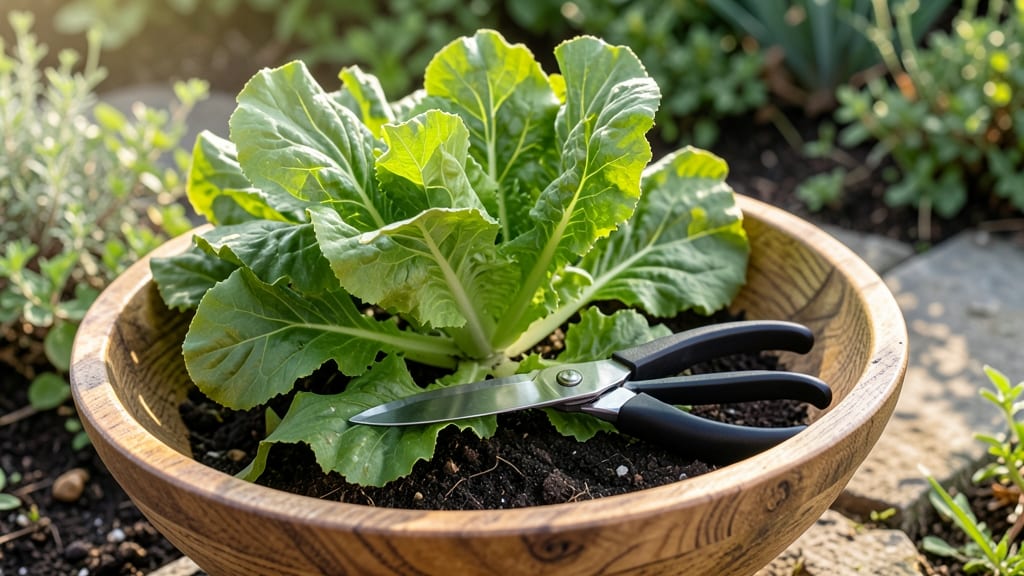
A garden fresh salad creates vibrant crunch and bold flavor by combining crisp greens like butter lettuce or arugula with fresh herbs (basil, cilantro), ripe heirloom tomatoes, and crunchy vegetables such as radishes or cucumbers. Harvest ingredients at peak ripeness, wash thoroughly, and store properly to maintain texture and flavor until assembly.
A garden fresh salad thrives on the perfect balance of textures and flavors, where each ingredient plays a distinct role. 🌿 The secret to that satisfying crunch lies in selecting ingredients at their peak—like heirloom tomatoes that burst with natural sweetness or radishes with their crisp, peppery bite.
I’ve found that prepping ingredients just before serving preserves their freshness longer, especially when storing greens in airtight containers with a paper towel to absorb moisture.
What truly elevates a garden salad is the contrast of flavors—sweet, savory, and even a touch of spice from ingredients like jalapeños or red onion. 💛 The key is to assemble it moments before eating, so the dressing doesn’t wilt the greens or turn the tomatoes mushy.
For extra vibrancy, I often add a sprinkle of toasted nuts or seeds right before serving, which adds another layer of texture and nutrition.
💡 In This Article
- Best Ingredients for a Crisp, Flavorful Garden Salad
- Step-by-Step Guide to Building the Perfect Salad
Best ingredients for a crisp, flavorful garden salad
The foundation of any vibrant garden salad lies in selecting ingredients that deliver both crunch and flavor complexity. Take arugula, for example—its peppery bite comes from glucosinolates, compounds that activate when the leaves are slightly damaged (like when you tear them).
These compounds release isothiocyanates, which create that signature sharpness. Meanwhile, butter lettuce provides a delicate, buttery texture due to its high moisture content (about 95% water) and tender cell structure, making it perfect for salads where you want a softer contrast to crunchier elements.
Herbs like cilantro and basil aren’t just garnishes—they’re flavor powerhouses. Cilantro’s bright, citrusy notes come from aldehydes like decanal, which give it that fresh, almost soapy aroma (though some people perceive it differently due to genetic variations in taste receptors).
Basil, on the other hand, contains eugenol, a compound that adds a subtle spiciness and sweetness. Harvest herbs in the morning when their essential oils are most concentrated, and store them wrapped in a damp paper towel in the fridge to preserve their aroma for up to 5 days.
Vegetables like heirloom tomatoes and cucumbers bring the sweetness and hydration that balance out the sharper flavors. Heirloom tomatoes have 2-3 times more sugar than commercial varieties, thanks to their thicker skins and slower growth.
Their juiciness comes from high water content (about 94%), but their flavor peaks when harvested just before full ripeness—this is when their sugars are at their sweetest.
Cucumbers, with their 96% water content, provide a refreshing crunch, but their skin contains cucurbitacins, which can taste bitter if not removed from bitter varieties like Armenian cucumbers.
Don’t overlook the crunchy add-ins like radishes and carrots. Radishes have one of the highest water contents in vegetables (about 95%) but their crispness comes from their firm cell walls, which resist breaking down quickly.
For maximum crunch, slice them thinly and add them to the salad just before serving. Carrots, with their 10% sugar content, add natural sweetness and a satisfying bite—roasting them lightly at 400°F for 20 minutes enhances their caramelized flavor while keeping them crisp.
Storage is just as critical as selection. Leafy greens wilt quickly because their cells lose moisture and collapse.
To slow this process, store them in an airtight container with a paper towel to absorb excess moisture, and keep them in the crisper drawer of your fridge where humidity levels are higher. Tomatoes, however, should never be refrigerated—the cold causes their cell walls to break down, turning them mealy.
Instead, store them at room temperature (68-72°F) until ready to use, and only refrigerate them after they’ve been cut.
Timing your harvest also makes a difference. Pick greens like spinach or arugula in the early morning when their moisture content is highest. For tomatoes, harvest when they’re fully colored but still slightly firm—they’ll continue to ripen off the vine, concentrating their flavors.
The same goes for cucumbers: pick them when they’re firm and bright green, as overripe ones become seedy and lose their crispness. 🌱