
Tools
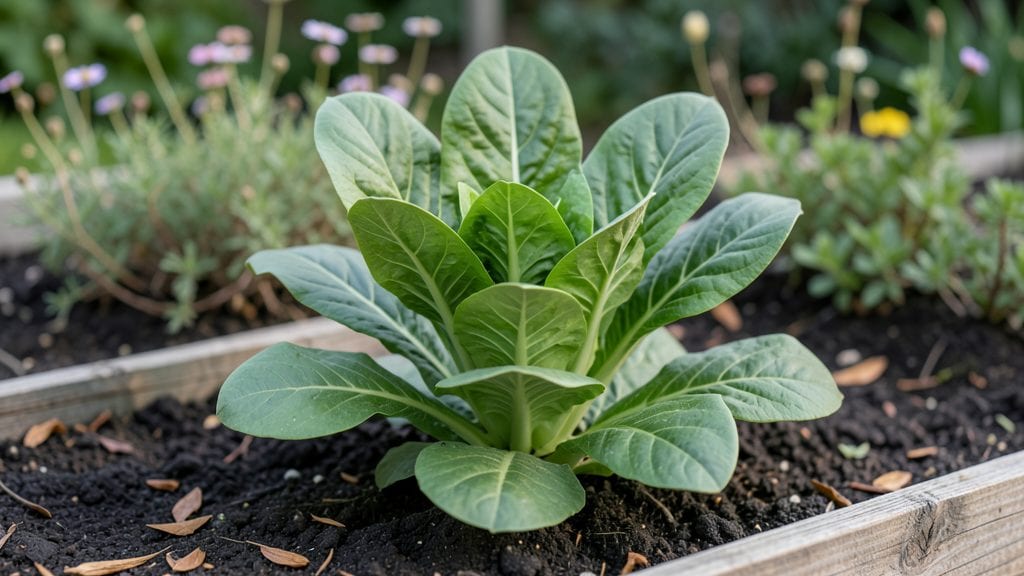
Growing a romaine lettuce garden that stays crisp all year takes less effort than you’d think—just the right soil, timing, and a little shade trick. I’ve grown romaine through three winters now, and the secret isn’t complicated: it’s about matching the plant’s needs to your climate, not fighting them.
The first year, I nearly gave up when mine bolted in June, but adjusting water and shade changed everything.
You’ll need well-draining soil rich in organic matter, consistent moisture, and at least 4-6 hours of sunlight daily—though afternoon shade helps prevent bolting in hot weather. Start seeds indoors 8-10 weeks before your last frost or transplant young plants in early spring and fall.
Space them 12-18 inches apart to give them room to grow without competing, and keep the soil damp but never soggy. A mulch layer keeps roots cool and conserves water.
By following this routine, you’ll harvest crisp, sweet romaine leaves in as little as 4-6 weeks from transplanting, with continuous harvests if you pick outer leaves. The flavor stays mild and tender, and you’ll avoid the bitterness that comes from heat stress or over-maturity.
Even in winter, a cold frame or row cover extends the season effortlessly.
This method works for containers too—just use 5-gallon pots and shallow roots thrive. The key is consistency: romaine lettuce rewards patience with nearly year-round harvests, minimal pests, and a garden that actually feels low-maintenance. Ready to try it?
📚 In This Guide
- What you need
- Instructions
- Tips and common mistakes
- Wrapping up and next steps
What you need
- ● Seeds: Romaine lettuce seeds (choose disease-resistant varieties like 'Parris Island Cos' or 'Black Seeded Simpson'). Quantity: ~50-100 seeds (or 3-5 seed packets).
- ● Containers or Garden Bed: For containers: 5-gallon pots or deep planters (12"+ depth) with drainage holes. Quantity: 1-2 per plant (or shared in larger pots).
- ● For in-ground gardens: Well-draining soil in a sunny spot (6+ hours of light daily).
- ● Potting Mix: High-quality seed-starting mix or well-draining garden soil (avoid heavy clay). Quantity: 1-2 cubic feet.
- ● Watering Can or Hose: With a gentle spray nozzle for even moisture.
- ● Fertilizer: Balanced organic fertilizer (e.g., 10-10-10) or compost. Quantity: 1-2 tbsp per plant.
- ○ Mulch (Optional but Helpful): Straw or shredded leaves to retain moisture.
- ● Grow Lights: LED bulbs (for indoor/early starts or winter growing).
- ● Row Covers: Lightweight fabric to protect from pests or frost.
- ● Pruning Shears: For harvesting outer leaves without damaging the core.
- ● pH Test Kit: To ensure soil pH is 6.0-7.0 (romaine prefers slightly acidic to neutral soil).
Step-by-step instructions for planting a romaine lettuce garden
Here's how to establish a thriving romaine garden that delivers crisp, flavorful leaves all season long.
Prepare the Soil for Optimal Growth
Romaine thrives in loose, nutrient-rich soil with excellent drainage. Work the first 6 inches of soil to break up compaction and remove any weeds. Amend the bed with 2-3 inches of aged compost or well-rotted manure to boost organic matter and microbial activity. Romaine prefers a slightly acidic to neutral pH between 6.0 and 7.0, so test your soil if you suspect pH issues—adjust with sulfur or lime as needed.
Incorporate the compost evenly across the planting area, then rake the surface smooth. Avoid heavy-handed tilling, which can disrupt soil structure. The goal is a fine, crumbly texture that holds moisture without becoming waterlogged. If your soil drains poorly, mix in 1 inch of coarse sand or perlite to improve aeration.
Plant Seeds at the Right Depth and Spacing
Sow romaine seeds ¼ inch deep in rows spaced 12-18 inches apart. For a continuous harvest, stagger plantings every 2-3 weeks—this ensures you always have fresh leaves while older plants mature. I like to use a seed tape or gently press seeds into the soil with my thumb, then cover lightly with fine soil or vermiculite to protect them from drying out.
Thin seedlings to 12 inches apart once they develop 2-3 true leaves. Use sharp scissors to avoid disturbing roots, and harvest the thinned seedlings for salads. Proper spacing prevents overcrowding, which leads to leggy, bitter leaves. Water gently after planting to settle the soil around the seeds, but avoid soaking the surface—this can cause seeds to rot before germinating.
Maintain Consistent Moisture and Light
Romaine needs 1-1.5 inches of water per week, delivered evenly to keep the soil consistently moist but not soggy. Water deeply in the morning to allow foliage to dry quickly, reducing the risk of fungal diseases like downy mildew. Mulch with 2-3 inches of straw or shredded leaves to retain moisture, suppress weeds, and keep roots cool—especially critical in hot climates where romaine bolts prematurely.
Position your garden in full sun to partial shade, with at least 4-6 hours of direct sunlight daily. In hot summer months, provide afternoon shade to prevent bolting. You’ll know your romaine is thriving when leaves stay crisp, upright, and deep green. If leaves yellow or wilt, it’s a sign of either underwatering or too much heat—adjust your care routine immediately.
Fertilize and Monitor for Pests
Feed romaine with a balanced, organic fertilizer (like 5-5-5) every 4-6 weeks to encourage steady growth. I prefer liquid fish emulsion or compost tea for a gentle nutrient boost without burning tender leaves. Avoid high-nitrogen fertilizers, which promote leafy growth at the expense of crispness. Side-dress with 1 inch of compost mid-season to replenish nutrients in the soil.
Watch for common pests like aphids, slugs, and leaf miners. Handpick larger pests or spray with a soapy water solution (1 tablespoon mild soap per gallon of water) for small infestations. Row covers can deter cabbage moths and other flying insects. If you notice holes in leaves or yellowing between veins, act quickly—these are early signs of pest damage that can spread rapidly.
Harvest for Maximum Crispness
Begin harvesting outer leaves when plants reach 6-8 inches tall, using clean scissors to cut just above a leaf node. This encourages continuous growth from the center. For baby romaine, harvest the entire head when leaves are 4-6 inches tall—they’ll be tender and sweet. Always harvest in the morning when leaves are at their peak crispness and flavor.
With proper care, a single romaine plant can produce 8-10 harvests before bolting. In warm climates, succession planting in fall and winter ensures a steady supply. If your plants bolt prematurely (sending up a tall flower stalk), shade them with a 30% shade cloth or harvest immediately—the leaves remain edible, though slightly bitter.
Tips & tricks for perfect romaine lettuce garden
Here’s how to elevate your romaine garden from good to exceptional—these insights come from years of trial and error in growing crisp, flavorful heads.
Soil Preparation Secret: The 6-inch soil depth you’re working matters more than you might think. Use a broadfork to loosen soil without turning it—this preserves soil structure and microbial activity. For clay-heavy soils, mix in 1 inch of coarse sand at the bottom of your planting area to create a drainage layer before adding compost. I’ve found that adding a handful of perlite to the top 2 inches of soil prevents compaction and improves aeration for those critical early root stages.
Seed Starting Strategy: When sowing seeds at ¼ inch deep, consider using a seedling tray indoors 4-6 weeks before your last frost date. This gives you a head start, especially in cooler climates. Harden off seedlings by placing them outdoors for progressively longer periods (starting with 1 hour on day 1, up to 8 hours by day 5) before transplanting. This gradual transition reduces transplant shock and helps seedlings establish faster.
Watering Wisdom: The 1-1.5 inches of water per week guideline is perfect, but timing matters just as much. Use a rain gauge or tuna can to measure water—eyeballing often leads to over- or under-watering. In containers, check soil moisture by sticking your finger 1 inch deep; if it’s dry, water thoroughly. For in-ground plantings, water at the base rather than overhead to prevent fungal diseases. I’ve noticed that morning watering prevents evening evaporation, keeping leaves dry and reducing mildew risk.
Pest Prevention: The soapy water solution you’ll use works well, but I’ve found that planting marigolds or nasturtiums around the perimeter acts as a natural deterrent for aphids and cabbage moths. These companion plants repel pests while adding beauty to your garden. For slug control, place copper tape around raised beds—it creates a mild electric barrier that slugs avoid. I’ve eliminated slug damage entirely using this method in my own garden.
Pro Tips for Romaine Lettuce Garden
- Here’s how to elevate your romaine garden from good to exceptional—these insights come from years of trial and error in growing crisp, flavorful heads.
- Soil Preparation Secret: The 6-inch soil depth you’re working matters more than you might think.
- Seed Starting Strategy: When sowing seeds at ¼ inch deep, consider using a seedling tray indoors 4-6 weeks before your last frost date.
Frequently asked questions
How long does it take for romaine lettuce to grow?
Romaine lettuce typically takes 60–75 days from seed to harvest, depending on your climate and variety. For faster results, opt for ready-to-harvest seedlings (30–45 days). Plant in cool weather (spring or fall) to avoid bolting—heat speeds up growth but can make leaves bitter.
Can I grow romaine lettuce year-round?
Yes! With the right strategies, you can harvest romaine 12 months a year. In hot climates, use shade cloth or grow in containers with afternoon shade. For cold regions, extend the season with row covers or a cold frame. Succession planting (every 2–3 weeks) ensures a steady supply.
What pests should I watch for in a romaine garden?
Common pests include aphids, slugs, and cabbage worms. Combat them naturally:
- Handpick slugs at night (use beer traps!) or use copper tape barriers.
- Spray aphids with soapy water or introduce ladybugs.
- Prevent cabbage worms with row covers or neem oil.
Why is my romaine lettuce turning bitter or bolting?
Bitter taste or premature bolting (flowering) usually happens due to heat stress or long daylight. To fix it:
- Harvest early in hot weather (young leaves are milder).
- Plant in partial shade during peak summer months.
- Choose heat-tolerant varieties like ‘Jericho’ or ‘Black Seeded Simpson.’
What can I plant alongside romaine for better growth?
Romaine thrives with companion plants that deter pests and improve flavor. Try:
- Carrots (repel aphids).
- Tomatoes (enhance growth).
- Onions or garlic (keep pests away).
- Avoid planting near celery or cabbage (they compete for nutrients).
Wrapping up and next steps
Growing a thriving romaine lettuce garden is easier than you think—with just a little space, the right tools, and a dash of patience, you’ll enjoy crisp, homegrown greens year-round!
Whether you’re a beginner or a seasoned gardener, this low-maintenance crop rewards you with fresh, nutrient-packed leaves that taste far better than store-bought. Now’s the perfect time to roll up your sleeves and start planting!
Ready to take the next step? Pick your spot, gather your supplies, and plant your first seeds or seedlings this weekend. Before you know it, you’ll be harvesting your own vibrant romaine—one crisp leaf at a time! 🌱