Pests
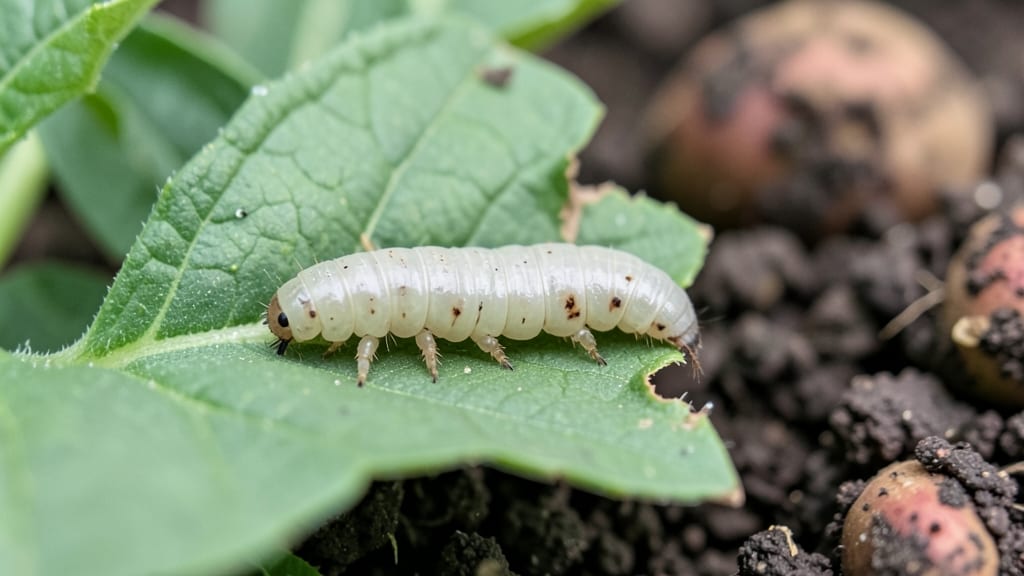
Mastering garden grubs identification early can spare you from weeks of frustration—those squiggly pests hiding in your soil are either harmless or plant-devouring, and I’ve learned to tell them apart in minutes. 🌱 The key lies in their size, shape, and the kind of damage they leave behind.
A quick inspection of your plants’ stems, roots, and leaves can tell you exactly who’s causing trouble.
Most gardeners confuse wireworms with cutworms or Japanese beetle grubs, but each has distinct traits. Wireworms are slender, yellow-brown, and chew through roots, while cutworms hide in the soil during the day and slice stems at night.
Japanese beetle grubs, on the other hand, are C-shaped, white with brown heads, and munch on grass roots. Knowing these details means you can act fast—before your veggies vanish overnight.
Once you recognize the culprit, organic solutions like neem oil, beneficial nematodes, or hand-picking (yes, really) become your best tools. You’ll see fewer tunnels in your soil, healthier plants, and a garden that thrives instead of struggles.
The trick is catching them early—before they turn your garden into their all-you-can-eat buffet.
This guide covers the most common offenders, their favorite hiding spots, and how to tell if they’re actually helping your garden. No more guessing games—just clear, actionable steps to keep your plants safe. Let’s get those grubs identified so you can get back to growing.
Root Causes Of Grub Infestations
Grubs—those squirming, C-shaped larvae of beetles—don’t just appear out of nowhere in your garden. Their presence is usually the result of a mix of environmental, biological, and human factors. Understanding these causes is the first step to prevention and control.
Below, we break down the key reasons why grubs invade your lawn and garden, backed by science and actionable insights.
Grubs thrive in moist, soft soil because it’s easier for them to burrow and feed on roots. Here’s why this happens:
- Excessive moisture: Overwatering creates the perfect breeding ground. Grubs, particularly white grubs (larvae of scarab beetles like Japanese beetles or June bugs), need damp soil to survive. If your lawn stays soggy for extended periods, you’re essentially inviting them to stay.
- Compacted soil: Heavy foot traffic, machinery, or clay-heavy soil compresses the earth, reducing oxygen levels. Grubs prefer these low-oxygen zones because they’re safer from predators like birds and beneficial nematodes. Compacted soil also makes roots weaker, making them easier targets for grub feeding.
- Poor drainage: If water pools in your yard, it doesn’t just attract grubs—it also drowns beneficial microbes and fungi that help plants thrive. The result? Stressed plants that are more susceptible to grub damage.
Actionable fix: Test your soil’s moisture levels (aim for 1 inch of water per week, including rainfall). Aerate compacted areas in fall or spring to improve drainage and root health.
Grubs are the offspring of beetles, and their numbers explode when adult beetles find the ideal conditions to lay eggs. Here’s how it happens:
- Warm nights, cool days: Many beetles, like the Phyllophaga (May/June beetles), time their egg-laying to coincide with soil temperatures between 60–75°F. If your region has mild springs or extended summers, you’ll see more beetles—and thus more grubs—next season.
- Lush, healthy grass: Beetles seek out thick, green lawns to lay eggs because the roots provide a steady food source for their larvae. If your grass is thriving, it’s a buffet for grubs.
- Lack of natural predators: Birds, toads, and parasitic nematodes keep grub populations in check. But if these predators are scarce (due to pesticides, habitat loss, or urbanization), grubs multiply unchecked.
Actionable fix: Reduce nighttime lighting (beetles are attracted to lights) and encourage predators by planting native shrubs or leaving some bare soil for toads. Mow grass slightly shorter in early summer to deter egg-laying beetles.
Your gardening routine might be inadvertently creating a grub paradise. Here’s how:
- Over-fertilizing with nitrogen: While nitrogen promotes green, lush grass, it also makes roots softer and more appealing to grubs. Excess nitrogen can also stress plants, making them more vulnerable to pest attacks.
- Ignoring thatch buildup: A thick thatch layer (dead grass and roots) traps moisture and organic matter—grub heaven. It also blocks beneficial microbes from reaching the soil.
- Planting grub magnets: Some plants, like Poa trivialis (common bluegrass) or Lolium perenne (ryegrass), are particularly attractive to beetles for egg-laying. If your lawn is mostly these grasses, you’re more likely to see grubs.
Actionable fix: Use a slow-release, balanced fertilizer (e.g., 16-4-8) and dethatch your lawn in late summer or early fall. Consider overseeding with grub-resistant grasses like Festuca rubra (fine fescue) or Agrostis stolonifera (creeping red fescue).
Grub populations fluctuate with weather patterns and seasonal changes. Here’s how climate plays a role:
- Mild winters: Cold winters kill off many beetle eggs and larvae. But if winters are unusually warm, more grubs survive to maturity, leading to larger populations the following year.
- Early springs: Beetles emerge earlier when springs arrive sooner. This gives them more time to lay eggs before summer heat sets in, resulting in a higher grub hatch.
- Drought followed by rain: Prolonged dry spells stress plants, making them more susceptible to grub damage. When rain finally comes, it softens the soil, making it easier for beetles to lay eggs.
Actionable fix: Monitor local weather forecasts and adjust your pest control timeline accordingly. For example, apply grub preventatives in late summer to early fall if your region has mild winters.
Grubs don’t discriminate—they target healthy lawns, neglected patches, and everything in between. By addressing these root causes, you can disrupt their life cycle and protect your garden before they become a full-blown infestation. 🚫🐜
How to Fix Crawler Problems
Once you’ve identified the grubs wreaking havoc in your garden, it’s time to take action! Below are practical, step-by-step solutions tailored to the most common causes of grub damage—from organic fixes to preventive measures.
Whether you’re dealing with Japanese beetles, cutworms, or root maggots, these methods will help you regain control of your garden without harsh chemicals.
If your plants are struggling due to grub-infested soil, they’ll need extra care to recover. Here’s how to nurse them back to health:
- 🍃 Handpick the Grubs
- Wait for a cool, damp evening when grubs are near the surface.
- Gently dig around the roots (use a trowel or fork) and scoop them into a bucket of soapy water to kill them.
- Focus on lawns, flower beds, and vegetable patches where grubs are most active.
- 💧 Boost Soil Health - Grubs thrive in compacted or nutrient-poor soil.
Improve drainage by: - Adding compost or aged manure (1-2 inches mixed into the top 6 inches of soil). - Using a garden fork to aerate heavily infested areas. - Water deeply once a week (early morning) to encourage strong root growth, making plants less vulnerable.
- 🌱 Replace Severely Damaged Plants
- If plants are wilted, yellowing, or pulling easily from the ground, they may not recover.
- Transplant healthy seedlings or reseed bare spots with grub-resistant varieties (e.g., marigolds, basil, or nasturtiums).
Japanese beetle grubs and other lawn pests can turn your green carpet into a brown, spongy mess. Try these low-toxicity solutions:
- 👨🍳 Beneficial Nematodes (Best for Organic Gardens)
- These microscopic worms paralyze and kill grubs without harming plants or pets.
- How to apply:
- Purchase Heterorhabditis bacteriophora (available online or at garden centers).
- Mix with water and apply with a hose-end sprayer in the late evening (they’re sensitive to sunlight).
- Reapply every 4-6 weeks during grub season (spring to fall).
- 🥘 Milky Spore (Long-Term Prevention)
- A natural bacteria that targets Japanese beetle grubs.
- How to use:
- Sprinkle milky spore powder over the lawn in early spring or fall.
- Water lightly to help it penetrate the soil.
- Takes 1-2 years to establish but provides 5-10 years of protection.
- 🔪 Manual Removal + Diatomaceous Earth
- For small lawns or container gardens:
- Dig up sections of turf (6x6 inches) and shake grubs into a bucket.
- Sprinkle food-grade diatomaceous earth (DE) over the soil—it dehydrates grubs on contact.
- Reapply after rain (DE loses effectiveness when wet).
- For small lawns or container gardens:
The best defense is a good offense. Implement these preventive strategies to keep grubs from moving in:
- 🌡️ Monitor Adult Pests Early
- Japanese beetles and cutworms lay eggs in late summer/early fall.
- Set up traps (like pheromone traps for beetles) before adults emerge.
- Remove egg masses (look for white, jelly-like clusters on leaves or soil).
- 🎯 Rotate Crops & Use Barrier Plants
- Grubs target tomatoes, potatoes, and corn—rotate planting locations yearly.
- Interplant with grubs’ natural enemies:
- Marigolds (repel beetles).
- Garlic and onions (deter many soil pests).
- Nasturtiums (attract predatory wasps).
- ✨ Soil Solarization (For Extreme Cases)
- Best for small gardens or raised beds in hot climates.
- How it works:
- Water the soil thoroughly, then cover with clear plastic sheeting (secured tightly).
- Leave for 4-6 weeks in sunny weather—the trapped heat kills grubs, eggs, and larvae.
- Best time: Late spring or early summer.
💡 Pro Tip: If you’re dealing with cutworms, try the "toilet paper collar" trick—wrap young plants with a strip of toilet paper to prevent worms from chewing through stems at night!
Frequently asked questions
What’s the easiest way to tell if I have grubs in my garden soil?
Dig up a small section of soil (about 2-3 inches deep) and look for white, C-shaped larvae. If you see them near plant roots or chewing on grass roots, that’s your sign. Another clue? Patches of dead or spongy grass that pull up easily—grubs love feasting on those roots.
Are all grubs bad for my garden?
Not all! Some, like the green lacewing larvae or ground beetle grubs, actually help by eating harmful pests. The bad guys (Japanese beetle grubs, cutworms, or wireworms) chew through roots and stems. Focus on identifying their damage—if your plants are wilting or stems are sliced, you’ve got a problem.
How do I know if my lawn damage is from grubs or something else?
Grubs leave behind brown, spongy patches that pull up like a carpet. If you see birds pecking at the ground (their natural grub snack) or moles tunneling, grubs are likely the culprit. Other causes? Fungal diseases (like brown patch) or drought stress—check for wilting leaves or discoloration beyond just the roots.
Can I use coffee grounds to get rid of grubs?
Coffee grounds can help short-term by repelling some pests, but they’re not a cure-all for grubs. The caffeine in grounds may deter beetles from laying eggs, but it won’t kill existing larvae. For real results, pair it with beneficial nematodes or hand-picking during damp evenings.
When is the best time to treat for grubs?
Act in late summer to early fall when beetles lay eggs. For Japanese beetle grubs, apply milky spore or nematodes before eggs hatch. If you’re dealing with cutworms, set up toilet paper collars around young plants at dusk when they’re most active.