
Pests
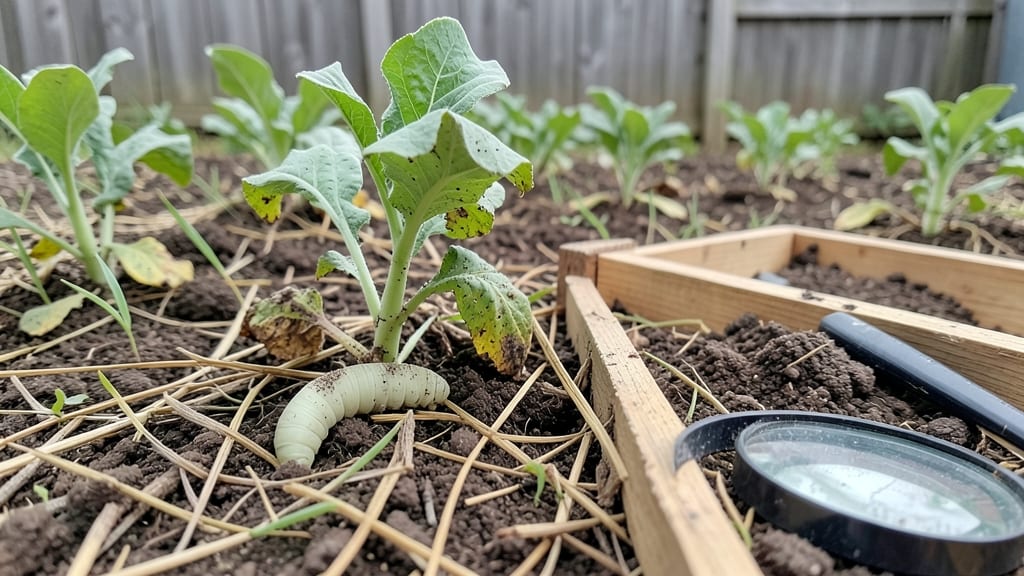
Soil-dwelling pests like grubs and nematodes turn your garden into a buffet they won’t leave. I’ve seen firsthand how they chew through roots, leaving plants wilting like they’ve forgotten how to drink. The good news? You don’t need chemicals to fight back—just the right natural barriers.
Think of it like building a fortress for your plants. Healthy soil, smart mulching, and companion plants create an ecosystem where pests can’t get a foothold. I’ve used crushed eggshells around tomato plants and sawdust mulch in veggie beds—both tricks cut grub damage by half without harming the earth.
The key is consistency, not one-off solutions.
By the end, your garden won’t just survive—it’ll thrive. Roots stay strong, leaves stay full, and you’ll spot fewer signs of trouble like chewed stems or sudden wilting. The best part? These methods work silently, so your veggies grow without you having to play pest detective every morning.
Works for home gardens, raised beds, and even container setups. The secret isn’t fancy tools—it’s understanding what pests hate and giving your soil what it craves. Let’s get those roots protected for good.
Root Causes of Soil Pests
Soil pests don’t just appear out of nowhere—they’re drawn to your garden by specific conditions that make your soil an inviting home. Understanding these triggers is the first step to stopping them before they take root.
Here’s why these tiny troublemakers show up in your soil and how they exploit your garden’s weaknesses.
Healthy soil is like a fortress, teeming with beneficial microbes, fungi, and predators that naturally suppress pests. But when soil becomes imbalanced—whether from over-tilling, chemical overuse, or neglect—it loses its ability to fend off invaders.
- Lack of organic matter: Soil rich in compost and decomposed plant material supports a diverse ecosystem. Without it, pests like root maggots or cutworms find fewer natural enemies to keep them in check.
- Compacted or waterlogged soil: Poor drainage and aeration stress plants, making them more susceptible to grubs and wireworms, which thrive in weakened roots.
- Chemical buildup: Overuse of synthetic pesticides or fertilizers can kill off beneficial organisms, leaving pests unchallenged. Even "safe" chemicals can disrupt the soil food web.
Pro Tip: 💡 Conduct a simple soil test to check pH and nutrient levels. Aim for a pH of 6.0–7.0 (slightly acidic to neutral) and amend with compost or aged manure to restore balance.
Pests don’t invade randomly—they’re attracted to specific plants that act like all-you-can-eat buffets. Some crops are especially irresistible because of their scent, moisture, or nutrient content.
| Pest | Loved Plants | Why They’re Drawn In |
|---|---|---|
| Cutworms | Tomatoes, peppers, beans | Soft stems and high moisture content make young seedlings easy prey. |
| Grubs (Japanese beetle larvae) | Grasses, roses, corn | Grubs feast on roots, especially in nitrogen-rich soils where grasses thrive. |
| Slugs & Snails | Lettuce, hostas, marigolds | Moist, shaded soil and tender leaves are their ideal environment. |
| Nematodes | Potatoes, strawberries, citrus | They target root systems, thriving in warm, moist soil where these crops grow best. |
Pro Tip: 🌡️ Rotate crops yearly to disrupt pest life cycles. Avoid planting the same family (e.g., nightshades like tomatoes and peppers) in the same spot.
Sometimes, well-meaning gardening practices create the perfect conditions for pests. From how you water to what you mulch with, these habits can turn your garden into a pest paradise.
- Overwatering: Excess moisture attracts slugs, fungus gnats, and soil-dwelling pests like wireworms. It also weakens plants, making them easier targets.
- Improper mulching: Thick layers of organic mulch (like untreated wood chips) can trap moisture and create a cozy home for pests. Inorganic mulches (gravel, stones) are better for dry climates.
- Ignoring debris: Leaving fallen leaves, old plant matter, or weeds provides shelter and breeding grounds for pests like cutworms and earwigs.
- Bringing in contaminated soil: Purchasing topsoil or compost from unknown sources can introduce nematodes or weed seeds. Always sterilize new soil with heat or solarization.
Pro Tip: ✨ Water deeply but infrequently (early morning is best) to encourage strong root growth and reduce standing water. Clear garden beds of debris at least twice a year.
Pests are opportunistic, and their activity spikes during specific weather patterns or seasonal changes. Understanding these triggers helps you predict—and prevent—outbreaks.
- Warm, humid weather: Fungus gnats and slugs thrive in damp conditions. Even a few days of heavy rain can trigger a slug infestation.
- Drought stress: Plants under water stress produce less sap, but their weakened state attracts pests like aphids and root borers that feed on stressed tissue.
- Seasonal life cycles: Many pests, like Japanese beetle grubs, emerge in late summer to lay eggs. If you’ve had them before, they’re likely returning to the same spot.
- Wildlife activity: Birds, rodents, and even pets can dig up soil, disturbing larvae and eggs. Their droppings may also introduce weed seeds or pathogens.
Pro Tip: 🎯 Use weather forecasts to your advantage. Set up barriers (like copper tape for slugs) before rain predicts a slug surge, or apply preventive treatments in early summer to stop grub eggs from hatching.
Practical ways to outsmart soil pests
Soil pests can turn your thriving garden into a battleground, but the good news? You don’t need harsh chemicals to reclaim your dirt. With the right strategies, you can banish unwanted critters while keeping your plants—and the planet—happy.
Below, we’ve mapped out targeted solutions for common soil pests, from grubs to nematodes, along with preventive measures to stop them before they start.
Cause: These C-shaped larvae (often from Japanese beetles or June bugs) feast on roots, weakening or killing plants. Fix:
- 🔥 Handpick & Drown – After rain, grubs rise to the surface. Scoop them up with a trowel and drop them in soapy water.
- 🍳 Beneficial Nematodes – Microscopic predators (Steinernema carpocapsae) attack grubs naturally. Apply in early evening with a watering can.
- 👨🍳 Milky Spore or Beauveria Bassiana – Soil treatments that infect grubs over time (best for long-term control).
Prevention Tips: ✅ Rotate crops to disrupt life cycles. ✅ Encourage predators like birds and toads with shallow water dishes. ✅ Avoid overwatering—grubs love soggy soil.
Cause: These tiny worms damage roots, especially in warm, moist soil. Some are harmful (root-knot nematodes), while others help. Fix:
- 🌡️ Solarization – Cover soil with clear plastic for 4–6 weeks in hot sun to bake nematodes out.
- 🎯 Neem Oil or Garlic Spray – Soak garlic in water for 24 hours, strain, and spray on soil (reapply weekly).
- 🔪 Marigolds & Chives – Plant these nematode-repelling herbs nearby.
Prevention Tips: ✅ Test your soil annually to monitor nematode levels. ✅ Use resistant plant varieties (e.g., okra, sorghum). ✅ Improve drainage—nematodes thrive in waterlogged soil.
Cause: Ants create mounds and disrupt roots, while termites chew through wood and plant stems. Fix:
- 🔪 Diatomaceous Earth (DE) – Sprinkle food-grade DE around plants (reapply after rain). It dehydrates pests without harming plants.
- 🥘 Vinegar Barrier – Mix 1 part vinegar to 1 part water and spray around ant trails.
- 🍳 Orange Oil or Borax – For termites, apply orange oil directly to mounds (follow label instructions).
Prevention Tips: ✅ Remove debris—ants and termites love hiding in wood chips or mulch piles. ✅ Seal entry points with copper tape around raised beds. ✅ Plant mint or catnip—their strong scent deters ants.
Cause: These slimy pests leave silvery trails and chew holes in leaves/stems, often hiding in moist soil. Fix:
- 🥘 Beer Traps – Bury a shallow dish filled with beer; slugs crawl in and drown (replace every few days).
- 🔪 Copper Tape – Wrap it around pots or beds—slugs get a mild electric shock and retreat.
- 🌡️ Coffee Grounds – Sprinkle used grounds around plants (caffeine repels them).
Prevention Tips: ✅ Water in the morning—slugs are less active in dry conditions. ✅ Create barriers with sharp materials (crushed eggshells, gravel). ✅ Attract predators like ducks or ground beetles with diverse plantings.
A healthy soil ecosystem is your best defense!
Try these low-effort upgrades: - 💡 Compost Tea – Brew compost in water for 24 hours, strain, and use as a nutrient-rich soil drench. - 🌿 Cover Crops – Plant clover or vetch in off-seasons to starve pests and improve soil. - 🔥 Crop Rotation – Avoid planting the same family (e.g., tomatoes, peppers) in the same spot yearly.
Pro Tip: 🌟 Combine methods for best results—e.g., solarization + beneficial nematodes for nematodes, or DE + mint for ants. Consistency is key! Most pests take 2–4 weeks to fully retreat with natural treatments.
Frequently asked questions
How do I know if my plants are being harmed by soil pests?
Look for these common signs: wilting despite proper watering, chewed stems or roots, yellowing leaves, or visible pests in the soil. Grubs leave small holes in roots, while nematodes cause stunted growth. Check for silvery trails (slugs) or ant mounds during the day.
Are coffee grounds really effective against slugs?
Yes! The caffeine in used coffee grounds repels slugs by disrupting their slime trails. Sprinkle grounds around plants in a 1-inch band and reapply after rain. For best results, combine with crushed eggshells to create a physical barrier too.
Can I use vinegar to kill soil pests like ants?
For surface pests like ants, yes! Mix equal parts white vinegar and water, then spray around trails. However, vinegar won't penetrate soil to reach grubs or nematodes. For deeper pests, use garlic spray or beneficial nematodes instead.
How long does it take for natural treatments to work?
Most organic methods require 2-4 weeks of consistent application. For example, diatomaceous earth needs 3-5 days to fully dehydrate pests, while beneficial nematodes take 10-14 days to establish. Monitor plants closely and reapply as needed.
What's the best way to prevent future soil pest problems?
Focus on soil health and diversity: rotate crops yearly, maintain 1-2 inches of mulch, and plant pest-repelling companions like marigolds or chives. Test soil pH annually (aim for 6.0-7.0) and avoid overwatering.