
How To
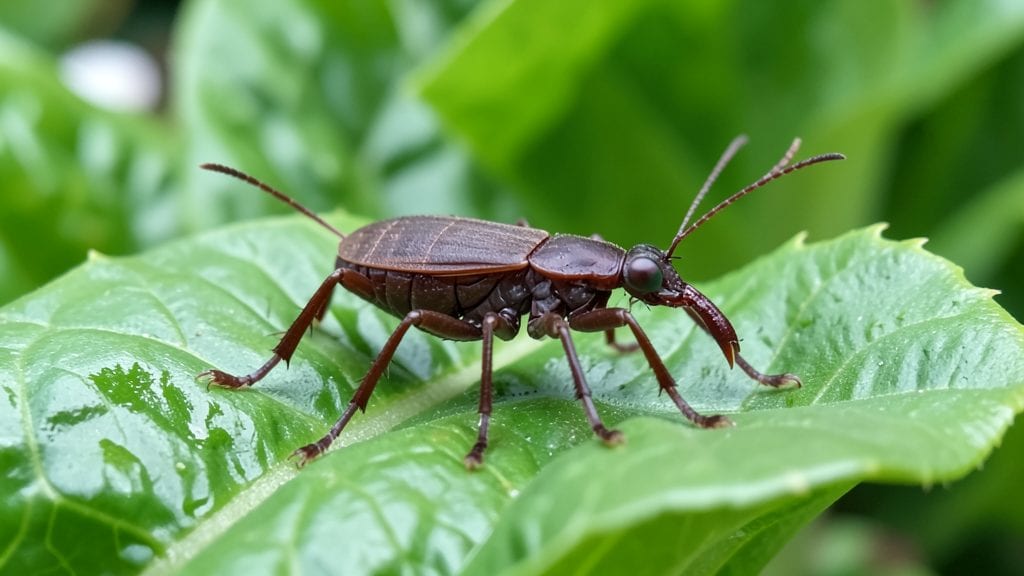
Learn how to keep earwigs out of your garden—these armored pests have been my nemesis for years, but I’ve cracked the code on chemical-free barriers that actually work. The key isn’t just traps or sprays; it’s smart design that makes your garden unwelcoming to them.
These critters love damp, dark spaces under mulch, boards, or dense foliage. My breakthrough? Removing their hiding spots—tiling paths, using gravel instead of wood chips, and keeping mulch thin. Even a simple copper tape barrier (they hate the metal) can stop an invasion before it starts.
You’ll see fewer crushed leaves, healthier plants, and no more earwigs crawling into your house. The best part? These fixes take under an hour and work for years. No more midnight raids to check your porch light—just a garden that naturally says, “Not welcome here.”
Works for veggie beds, flower gardens, and even patio containers. Let’s make your yard their last stop before the great outdoors.
Why Earwigs Invade Gardens
Earwigs might seem like tiny, harmless pests, but their presence in your garden can lead to chewed leaves, damaged plants, and even structural issues in soil. Understanding why they’re drawn to your garden is the first step in stopping them naturally.
These nocturnal insects don’t just wander in randomly—they’re following specific cues. Let’s break down the science behind their behavior so you can outsmart them.
Earwigs thrive in damp environments because their exoskeletons are highly sensitive to dehydration. A garden with high humidity, poor drainage, or standing water becomes an all-you-can-eat buffet for them. Here’s why:
- Breathing through spiracles: Earwigs absorb oxygen through tiny openings called spiracles, which must stay moist to function. Dry soil or air forces them to seek out damp crevices—like under mulch, rocks, or plant pots.
- Egg-laying preferences: Female earwigs lay eggs in moist, shaded soil (60–70% humidity is ideal). If your garden retains moisture after rain or irrigation, it signals a perfect nursery.
- Decaying organic matter: Wet leaves, compost piles, and rotting wood create microhabitats where earwigs hide during the day and hunt at night.
Pro tip: 💡 If your garden stays soggy after rain, earwigs will stick around. Test soil moisture with a trowel—if it’s damp 2+ inches down, it’s an earwig paradise.
Earwigs are nocturnal predators, meaning they’re most active under the cover of darkness. Their behavior is driven by:
- Temperature triggers: They emerge when nighttime temps drop to 50–75°F (10–24°C). Cooler evenings (like after a hot day) signal them to hunt for food—often your tender seedlings or fruit.
- Light avoidance: Bright lights (like porch lamps) repel them, but dark, sheltered areas (e.g., under eaves, woodpiles, or dense foliage) make them feel safe during the day.
- Food scent trails: They follow volatile organic compounds (VOCs) from decaying plants or sweet-smelling flowers (like roses or night-blooming jasmine). Even compost tea can attract them!
Pro tip: ✨ If you notice earwigs clustering near specific plants, it’s because those plants (or their fallen leaves) are their favorite snack. Rotate crops or remove debris to break their scent trail.
Earwigs don’t just wander in—they’re looking for protected entry points. Your garden might unknowingly offer:
| Shelter Type | Why Earwigs Love It | Real-World Examples |
|---|---|---|
| Dark crevices | Blocks wind, retains moisture, and mimics natural leaf litter. | Under mulch, between paving stones, or inside terracotta pots. |
| Organic debris | Provides food (fungi, bacteria) and nesting material. | Piles of leaves, grass clippings, or unturned compost. |
| Structural gaps | Offers daytime hiding spots near food sources. | Cracks in garden beds, gaps under fences, or loose bark mulch. |
Pro tip: 🔥 Earwigs are opportunistic. If your garden has one moist, dark spot, they’ll treat it like a five-star resort. Audit your space for these hiding spots—even a single pot left upside-down can become a colony hub.
Not all plants are equal in the eyes of an earwig. They target:
- Soft, young growth: Delicate leaves (like lettuce, basil, or hostas) are easy to pierce with their pincers.
- Fruiting plants: Tomatoes, strawberries, and grapes release sugars that attract them.
- Deciduous trees: Fallen leaves create a mulch mat that traps moisture and earwigs.
Science note: Earwigs use chemosensors on their antennae to detect plant stress (e.g., wilting or ethylene gas from damaged tissue). A struggling plant = a smorgasbord.
Pro tip: 🌡️ Healthy plants repel earwigs. Overwatering or over-fertilizing stresses plants, making them more appealing. Aim for consistent moisture (not soggy) and balanced nutrients.
Natural Fixes for Earwig Control
Earwigs may seem like a nuisance, but the good news is that you can tackle them effectively with natural, eco-friendly solutions—no harsh chemicals required. The key is addressing their entry points, disrupting their habitats, and making your garden less appealing.
Below, we’ve mapped out practical fixes based on the most common causes of earwig invasions, along with preventive tips to keep them out long-term.
Earwigs thrive in damp, dark spaces, so reducing moisture is your first line of defense.
**🔧 How to Do It: - 💧 Drain Standing Water – Use a hose or broom to clear water from pots, saucers, and low-lying garden areas.
Earwigs love hiding in shallow puddles. - 🌧️ Improve Drainage – If your garden retains water, amend soil with sand, gravel, or compost to improve airflow.
Sloped beds help water run off naturally. - ☀️ Dry Out Mulch – Earwigs nest in thick, damp mulch. Spread mulch thinly (1–2 inches) and avoid piling it against plant stems. - 🏡 Seal Gaps in Structures – Check sheds, greenhouses, and compost bins for cracks.
Seal them with caulk, metal flashing, or copper mesh—earwigs can’t crawl through tight spaces.
💡 Pro Tip: Place dry leaves or straw around plants instead of wet mulch—it’s less inviting to earwigs but still retains soil moisture for roots.
Earwigs love clutter, so decluttering your garden makes it less hospitable.
🧹 How to Do It:
- 🪴 Tidy Up Plant Debris – Remove dead leaves, fallen fruit, and weeds where earwigs hide. Rake regularly under shrubs and trees.
- 🏡 Store Firewood & Tools Properly – Keep woodpiles elevated and off the ground, and store tools in dry, ventilated areas.
- 🌱 Prune Overgrown Plants – Dense foliage traps moisture. Trim back thick bushes and vines to improve airflow.
- 🧽 Clean Up After Harvest – Earwigs feast on decaying produce. Pick fallen fruits/veggies promptly and compost them far from your garden.
✨ Bonus Hack: Sprinkle diatomaceous earth (food-grade) lightly around entry points. It’s a natural insecticide that dehydrates earwigs—but wear a mask when applying!
Earwigs dislike certain scents and textures. Leverage these to deter them:
🌿 How to Do It:
- 🍋 Citrus & Garlic Sprays – Blend peels of lemons, oranges, or garlic with water, strain, and spray around plants. Reapply every 3–5 days.
- 🌿 Mint, Lavender, or Rosemary – Plant these near garden edges or crush fresh leaves and scatter them. The strong scent confuses earwigs.
- 🥔 Coffee Grounds – Sprinkle used coffee grounds around plants (they also enrich soil!). Earwigs avoid the gritty texture.
- 🧂 Salt Barriers – Create a 1-inch-wide salt line around garden beds. Reapply after rain—it disrupts their movement.
🔥 Warning: Avoid vinegar or essential oil sprays directly on plants—they can harm foliage. Always dilute and test first.
If you already have an infestation, trapping is a humane way to reduce numbers.
🕸️ How to Do It:
- 🍺 Beer Traps – Fill a shallow dish with beer or yeast water and place it near infested areas. Earwigs are attracted to the liquid but drown. Check traps daily and dispose of them far from your garden.
- 🌙 Nighttime Flashlight Search – Earwigs are nocturnal. Shine a light on plants at dusk and drop them into soapy water (instantly kills them).
- 🏡 Relocation Method – Use a glass jar and paper funnel to gently capture earwigs and release them far from your garden (at least 50+ feet away).
🎯 Prevention Tip: After trapping, keep the area dry for a few days to discourage return visits.
For long-term protection, block earwigs before they enter.
🏗️ How to Do It:
- 🪨 Copper Tape – Earwigs dislike copper’s electrical charge. Wrap it around pot edges, garden beds, or greenhouse frames.
- 🧶 Fine Mesh Netting – Cover seedlings, compost bins, and vulnerable crops with fine insect netting (earwigs can’t penetrate it).
- 🪨 Gravel or Crushed Eggshells – Create a 2-inch border of coarse material around garden beds. Earwigs avoid crawling over sharp, dry surfaces.
💡 Pro Tip: Combine barriers + repellents for the best results. For example, use copper tape + coffee grounds around raised beds.
To keep earwigs out for good, maintain these habits: ✅ Inspect & clean garden tools before storing them. ✅ Rotate crops to avoid attracting earwigs to decaying plant matter. ✅ Encourage natural predators like birds, spiders, and ground beetles (they eat earwigs!). ✅ Avoid overwatering—earwigs seek out dampness.
By targeting moisture, hiding spots, and entry points, you can effectively reduce earwig populations without chemicals. The key is consistency—check your garden regularly and adjust your defenses as needed. With these natural, low-effort solutions**, your garden will stay earwig-free and thriving! 🌱🚫🪳
Frequently asked questions
Why do earwigs suddenly appear in my garden after it rains?
Earwigs thrive in damp conditions because their exoskeletons need moisture to breathe. After rain, soil and mulch stay saturated, creating perfect hiding spots. They also emerge at night when humidity spikes, so you’ll see more activity in your garden during or after rainfall.
Will diatomaceous earth harm my plants or other beneficial insects?
Food-grade diatomaceous earth is safe for plants when used correctly, but it can harm beneficial insects like bees and ladybugs if applied directly to blooms. Focus on entry points (garden beds, mulch edges) and avoid spraying on flowers or foliage. Always reapply after rain, as moisture reduces its effectiveness.
How often should I check beer traps for earwigs?
Check beer traps every 24 hours and empty them far from your garden. Earwigs drown quickly, but the trap will lose effectiveness if left too long. Replace the beer every 3-4 days or when it becomes cloudy. For best results, place traps near moist areas like mulch piles or under eaves.
Can I use copper tape around my entire garden, or just high-risk areas?
Copper tape works best around entry points like pot edges, greenhouse frames, and garden bed borders. Wrapping your entire garden would be unnecessary and costly. Focus on areas where earwigs commonly enter—like under mulch or near damp soil—and you’ll see results within 1-2 weeks.
What’s the fastest way to dry out a damp garden bed to deter earwigs?
Improve drainage by adding coarse sand or gravel to compacted soil, then rake to break up clumps. Avoid watering in the evening, and consider installing French drains if your garden has chronic soggy spots. Earwigs will leave within 3-5 days if moisture levels drop.