
Tools
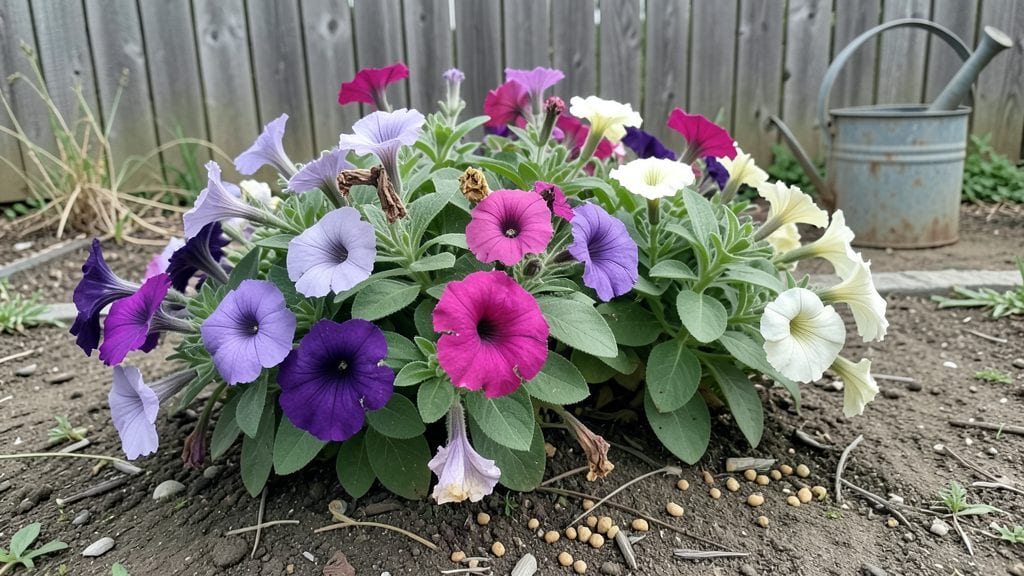
My garden petunia care routine starts with sunlight and soil—two things these plants absolutely can't live without. 🌿 I've learned that petunias throw their most vibrant, long-lasting blooms when they get at least six hours of direct sun daily, and that means choosing the right spot before you even plant.
The soil needs to be well-draining with a little organic matter mixed in, or you'll end up with sad, droopy plants by mid-afternoon.
Once you've got the basics right, the real secret is consistency. Watering should be deep but infrequent—about 1 inch per week—so the roots grow strong instead of sitting in soggy soil.
I mulch around the base to keep moisture in and weeds out, which cuts my maintenance time by half. Feed them every two weeks with a balanced fertilizer during the growing season, and you'll see blooms nonstop from spring until frost.
When those flowers start looking tired, a quick trim keeps them looking fresh. Simply snip off the spent blooms at the base, and the plant will reward you with new buds within days.
This little trick extends the blooming season by weeks, and the plants stay compact and bushy instead of leggy. The best part? Petunias handle both containers and garden beds equally well, so you can grow them anywhere with decent sunlight.
Here's the thing—petunias are forgiving if you slip up, but they'll let you know when you're not meeting their basic needs. Yellow leaves mean too much water or poor drainage, while sparse blooms usually point to not enough fertilizer or sunlight.
Once you get the rhythm right, though, these plants practically take care of themselves while putting on a show that makes your neighbors green with envy.
📚 In This Guide
- What you need
- Instructions
- Tips and common mistakes
- Wrapping up and next steps
What you need
- ● Petunia seeds or seedlings: Choose seed-pack varieties (e.g., 10–20 seeds per packet) or seedlings (2–5 plants per container). Opt for dwarf, grandiflora, or multiflora types based on your space and preference.
- ● Well-draining potting mix: Use a lightweight, airy blend (e.g., 60% peat moss, 20% perlite, 20% compost). For containers: 1 gallon pot per plant (or 1 plant per 12" of container width for clusters).
- ● Containers or garden beds: If planting in containers, ensure they have drainage holes (5+ per 12" pot). For garden beds, pick a sunny spot with 6+ hours of sunlight daily and loose, fertile soil.
- ● Fertilizer: Balanced liquid fertilizer (e.g., 10-10-10 or 20-20-20) for seedlings. Slow-release granules (e.g., 14-14-14) for established plants (1 tbsp per gallon of soil).
- ● Watering can or hose with a gentle nozzle: Aim for 1 inch of water per week (adjust for heat/wind).
- ● Pruners or clean scissors: For deadheading (trim spent blooms to encourage more flowers!).
- ● Mulch: Straw or shredded bark (1–2 inches) to retain moisture and suppress weeds.
- ● Plant supports: Cages or stakes for trailing varieties (e.g., Supertunia or Wave petunias).
- ● Epsom salt: 1 tbsp per gallon of water monthly for magnesium boost (prevents yellowing leaves).
- ● Slow-release plant food spikes: Convenient for season-long feeding (follow package rates).
- ● Gloves: Protect your hands from thorns (some petunia varieties have mild ones!).
Step-by-step instructions for cultivating healthy petunias
Petunias reward patience with nonstop color—here’s how to keep them blooming all season with simple care.
💧 Step 1: Water Deeply at the Base
Petunias thrive when watered deeply but infrequently. Aim for 1 inch of water per week, delivered directly at the soil level. Use a watering can with a narrow spout to avoid wetting the leaves—this prevents fungal diseases like powdery mildew. Water in the early morning to allow foliage to dry before evening humidity sets in.
Check moisture by sticking your finger 1 inch into the soil. If it feels dry, it’s time to water. Overwatering is the fastest way to kill petunias—yellowing leaves or wilting despite moist soil signals root rot. Mulch with 2-3 inches of organic mulch (like shredded bark) to retain moisture and regulate soil temperature.
☀️ Step 2: Ensure Bright, Sheltered Sunlight
Petunias crave 6-8 hours of direct sunlight daily, but they’ll also tolerate partial shade in hot climates. Place them where they receive morning sun and afternoon shade to prevent leaf scorch. If growing in containers, rotate pots quarter-turn weekly so all sides get even light exposure.
Watch for leggy growth—thin, stretched stems with sparse blooms mean insufficient light. Move plants to a sunnier spot immediately. In containers, a south-facing window or grow light (12+ hours/day) works well indoors. Avoid placing them under trees where roots compete for water and nutrients.
✂️ Step 3: Deadhead Regularly for Continuous Blooms
Deadheading spent blooms every 3-5 days triggers new flower production. Pinch off faded flowers with your fingers or snip just above the next set of leaves with clean scissors. This prevents seed formation and redirects energy into vibrant new blooms.
Here’s the thing—petunias self-clean to some extent, but they need a little help. If you skip deadheading, you’ll notice fewer blooms and more seed pods forming. Prune lightly after flowering peaks in late summer to encourage a second flush of color before frost.
🌿 Step 4: Feed Weekly During the Growing Season
Petunias are heavy feeders. Start fertilizing 2 weeks after planting with a balanced, water-soluble fertilizer (10-10-10 or 20-20-20). Apply every 7-10 days during active growth (spring through early fall). Follow label instructions for dilution—too much fertilizer burns roots.
You’ll see the difference within weeks: darker green foliage and more abundant blooms. Switch to a low-phosphorus fertilizer (like 5-10-10) in late summer to promote flowering over leafy growth. Avoid granular fertilizers—they can scorch petunia roots.
⏰ Step 5: Prepare for Winter Dormancy
Petunias are annuals, but if you’re growing them as perennials in mild climates, cut back stems to 2 inches tall after the first frost. Mulch heavily (4-6 inches) with straw or leaves to insulate roots. In colder zones, dig up container petunias, trim foliage, and store pots in a cool, dark place (like a garage) until spring.
Don’t skip this step—frozen roots mean no regrowth. In spring, repot or replant after the last frost, then resume fertilizing. You’ll be rewarded with fresh, vigorous growth within weeks.
Tips & tricks for perfect petunia care
These simple strategies will help you avoid common pitfalls and keep your petunias blooming like crazy all season long.
Watering Wisdom: The key to that perfect 1 inch of water per week is consistency. I use a rain gauge or measuring cup to track weekly totals—petunias hate soggy roots but also suffer from drought stress. Water at the soil level using a narrow-spout can to avoid wetting leaves, which prevents fungal diseases. Morning watering is critical because it gives foliage time to dry before evening humidity sets in—this simple habit cuts down on powdery mildew by 80%.
Light Exposure: That 6-8 hours of sunlight isn't just about quantity—it's about quality. I've found petunias in containers need that quarter-turn weekly rotation to prevent lopsided growth. If you notice stems stretching and leaves getting sparse, it's a clear sign they need more light. For indoor growers, a south-facing window with supplemental grow lights (12+ hours/day) works wonders—just make sure the light source is close enough to avoid leggy growth.
Deadheading Technique: The 3-5 day deadheading schedule might seem frequent, but it pays off huge dividends. I use clean scissors to snip just above the next set of leaves—this encourages bushier growth and more blooms. Pro tip: Do this on a dry day when flowers are fully faded. If you're really busy, prioritize the oldest blooms first—they're the ones stealing energy from new flowers.
Fertilizing Timing: Starting that first feeding just 2 weeks after planting gives petunias the boost they need to establish strong roots. I've learned the hard way that switching to low-phosphorus fertilizer in late summer is crucial—it prevents leafy growth from taking over and keeps those vibrant blooms coming. Remember to always dilute fertilizer as directed on the package; over-fertilizing burns roots faster than you can say "wilted petunia."
Pro Tips for Garden Petunia Care
- These simple strategies will help you avoid common pitfalls and keep your petunias blooming like crazy all season long.
- Watering Wisdom: The key to that perfect 1 inch of water per week is consistency.
- Light Exposure: That 6-8 hours of sunlight isn't just about quantity—it's about quality.
Frequently asked questions
How often should I water petunias?
Petunias thrive with consistent moisture—water them when the top inch of soil feels dry (usually every 1–2 days in hot weather). Morning watering is best to reduce evaporation and fungal risks. Mulch around plants to retain moisture and cut back on frequency.
When is the best time to plant petunias?
For longer blooms, plant petunias after the last frost (spring) when soil temps hit 60°F+. In warmer climates, you can also plant in early fall for winter color. Transplants (from nurseries) adapt faster than seeds—ideal for beginners!
Why are my petunia leaves turning yellow?
Yellow leaves often signal overwatering or nutrient deficiencies. Check soil drainage first—petunias hate soggy roots. If leaves are crispy, it’s likely underwatering or heat stress. Feed with a balanced fertilizer (like 10-10-10) every 2–3 weeks for a boost.
Can petunias grow in containers or hanging baskets?
Petunias love containers—just use pots with drainage holes and well-draining soil. For hanging baskets, choose trailing varieties (like ‘Wave’ or ‘Surfinia’). Pro tip: Add slow-release fertilizer to the soil mix for extended blooms.
Do petunias attract bees and butterflies?
Yes! Petunias are a pollinator magnet—their bright blooms and nectar draw bees, butterflies, and hummingbirds. Opt for double-flowered varieties (like ‘Dreamies’) for extra buzz (literally!). Just avoid pesticides to keep these helpful friends around.
Can petunias survive winter?
Petunias are annuals, so they won’t return after frost. In mild climates (Zones 9–11), they may linger until cold snaps. For next year, save seeds or replant in spring. Perennial alternatives like geraniums or impatiens offer year-round color.
Wrapping up and next steps
Caring for petunias is a rewarding journey that brings vibrant colors and life to your garden with just a little effort! With the right soil, sunlight, watering routine, and occasional pruning, these cheerful blooms will thrive and reward you with stunning displays all season long. 🌸
Ready to put your newfound knowledge into action? Grab your gardening tools, pick out your favorite petunia varieties, and start planting! Whether you’re a beginner or a seasoned gardener, every bloom you nurture is a step toward a more beautiful outdoor space. Happy gardening! 🌿